 Demian Sahputra

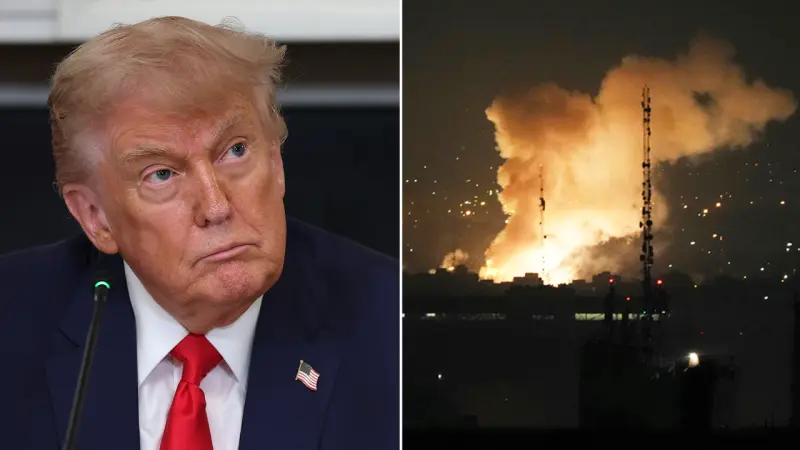
WASHINGTON — President Donald Trump ignited a swift political firestorm this week by stating he does not "think about Americans financial situation" while engaged in high-stakes diplomatic negotiations concerning Iran. The unvarnished comment, delivered during a White House press briefing, immediately sparked considerable debate among lawmakers, economic analysts, and the public regarding the administration's core priorities.
The President's remark came as his administration intensifies efforts to navigate a complex geopolitical landscape with Tehran. The ongoing talks, shrouded in a degree of secrecy, are understood to involve sensitive issues ranging from nuclear proliferation concerns to regional stability and global energy markets. Many observers had anticipated the President would link these discussions to their potential domestic economic ramifications, particularly given persistent concerns over inflation and cost of living for many American households.
Speaking candidly to reporters, President Trump asserted, "My focus right now is entirely on the negotiations with Iran. I dont think about Americans financial situation during these critical discussions." This direct quote, captured by multiple news outlets, underscores what appears to be a singular foreign policy objective for the White House at this juncture.
Critics from both sides of the political spectrum were quick to condemn the President's statement. Senator Anya Sharma, a leading Democrat on the Foreign Relations Committee, issued a statement calling the remarks "deeply troubling" and reflective of an administration "out of touch with the everyday struggles of working families." She emphasized that foreign policy and domestic welfare are inextricably linked.
Conversely, some administration allies and Republican strategists sought to contextualize the President's comments. They argued that President Trump was merely emphasizing the gravity and singular focus required for such delicate international diplomacy. White House Press Secretary Elaine Miller clarified that the President "is acutely aware of the economic challenges facing our nation but believes that successfully concluding these vital talks is paramount for long-term American prosperity and security."
However, this clarification did little to quell the brewing controversy. Economists pointed out that any new agreement or escalating tensions with Iran could have immediate and significant impacts on global oil prices, subsequently affecting gasoline costs, transportation, and consumer spending within the United States. Many American families are already grappling with increased expenses for essentials.
The current discussions with Iran in 2026 are widely believed to be a renewed attempt to forge a more comprehensive agreement than previous iterations, aiming to de-escalate regional tensions and prevent nuclear weaponization. The precise details of the proposals on the table remain undisclosed, adding to the speculation surrounding the President's blunt appraisal of his priorities.
Historically, US presidents have often framed foreign policy initiatives through the lens of their benefits to the American people, including economic advantages or enhanced security at home. President Trump's statement marks a notable departure from this traditional rhetoric, presenting a more stark division between international strategy and domestic economic considerations.
Public opinion polls conducted shortly after the President's remarks indicated a mixed response. While some respondents expressed understanding for a leader's focused approach during crises, a significant portion voiced concern that domestic economic issues were being sidelined. The perception of presidential empathy often plays a crucial role in public confidence.
As the Iran talks continue behind closed doors, the ripple effects of President Trump's comment are expected to resonate through Washington and across the nation. The statement has not only highlighted the intense pressures of international diplomacy but also brought into sharp relief the perennial challenge for leaders to balance global responsibilities with the immediate needs of their constituents. The political ramifications of prioritizing complex foreign policy over visible domestic financial concerns will undoubtedly shape ongoing debates in the lead-up to the midterm elections.
The White House has not yet provided further elaboration on the President's specific choice of words, but the sentiment expressed is likely to be a recurring theme as the Iran negotiations unfold and their potential impact on Americans financial well-being comes into sharper focus.