 Angela Stefani
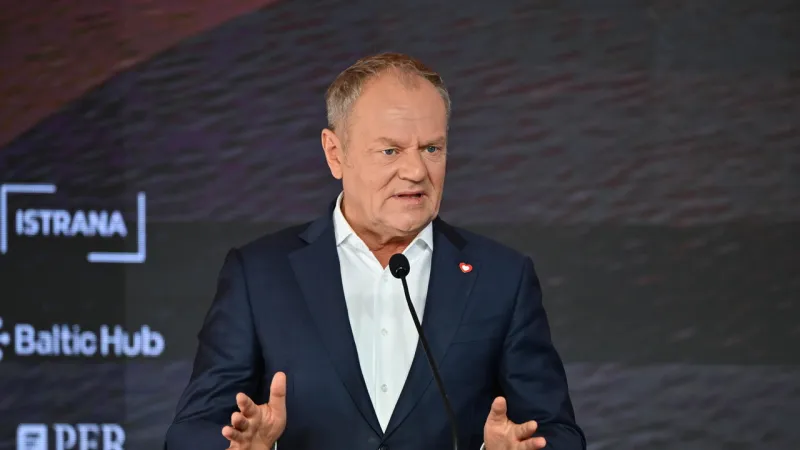
Warsaw, Brussels – The European Union formally solidified its support for Polish Prime Minister Donald Tusk, a move that has escalated the already tense political landscape and now threatens to precipitate a period of profound governmental paralysis in Poland. This endorsement comes as the conservative Law and Justice (PiS) party, now in opposition, vows fierce resistance, signaling a protracted battle for control and direction of the nation.
The unequivocal backing from Brussels strengthens Tusk's mandate to implement his reform agenda, particularly concerning the rule of law and judicial independence, areas where the previous PiS administration frequently clashed with EU institutions. This re-alignment marks a significant shift from the strained relationship that characterized Polands engagement with the EU during PiS rule.
However, the PiS party has unequivocally stated its intention to obstruct the new government's initiatives, viewing Tusk's policies as an assault on national sovereignty. The party, still a formidable force in the Sejm, Polands lower house of parliament, maintains a robust base of support and significant influence within state structures.
Adding to the international dimension of the conflict, French far-right leader Marine Le Pen launched a sharp attack on Prime Minister Tusk, criticizing his policies and his pro-European stance. Her comments underscore the broader ideological battle playing out within European politics, pitting nationalist and sovereignist movements against liberal, integrationist forces.
In a swift retort, Polish Foreign Minister Radoslaw Sikorski admonished external interference, stating simply, “Do not interfere.” This direct message, likely aimed at both Le Pen and any perceived allies attempting to destabilize Polands nascent government, highlighted the sensitivity of domestic political affairs.
The potential for political paralysis stems from PiS ability to impede legislative progress through parliamentary maneuvers, presidential vetoes, and strategic appointments. Polands intricate political system allows for significant obstruction, particularly when the presidency is held by an individual aligned with the opposition, as is currently the case.
Tusk's government came to power promising to restore democratic norms and unlock billions in EU funds that were frozen due to rule of law concerns under PiS. However, the path to achieving these goals appears fraught with obstacles, as PiS remains deeply entrenched in various state institutions and public discourse.
The previous years saw frequent disputes between Warsaw and Brussels over issues ranging from judicial reforms to media freedom. Tusk's return was widely seen in European capitals as an opportunity to mend these divisions and bring Poland back into the EU mainstream.
Economically, a prolonged period of political instability and legislative gridlock could deter foreign investment and impede the effective utilization of crucial EU recovery funds. Poland, a key economic player in Central Europe, requires stability to maintain its growth trajectory.
The PiS strategy appears to involve leveraging every available tool to challenge Tusk's administration, including public protests, media campaigns, and exploiting divisions within the ruling coalition. This strategy aims to rally its base and potentially force early elections.
For Prime Minister Tusk, navigating this turbulent political landscape requires shrewd negotiation and an unwavering commitment to his reform agenda. His success hinges on his ability to garner sufficient parliamentary support and overcome the concerted efforts of a determined opposition.
The European Commission has repeatedly expressed its desire for political stability in Poland and a swift resolution to the rule of law disputes. The integrity of the EU's foundational values is often seen as being tested by the developments in member states like Poland.
This ongoing power struggle in Poland also carries broader implications for European unity, especially given the current geopolitical climate. A stable and unified Poland is considered vital for regional security and the collective strength of the European project.
As the political confrontation intensifies, observers anticipate a series of high-stakes legislative battles and public debates. The coming months will likely define the long-term political trajectory of Poland and its relationship with the European Union.