 Angel Doris
JERUSALEM – Israeli Prime Minister Benjamin Netanyahu has reportedly blocked a crucial cabinet vote regarding a potential ceasefire agreement with Lebanon, citing a fundamental lack of consensus on proposals to curb Hezbollah's operations. This decision emerges as cross-border raids and casualties continue to mount, further escalating regional tensions.
The blockage stems from deep disagreements within the Israeli government on any proposed deal that does not definitively neutralize Hezbollah's threat along the northern border. This intransigence underscores the complex security calculus facing Jerusalem amid persistent skirmishes.
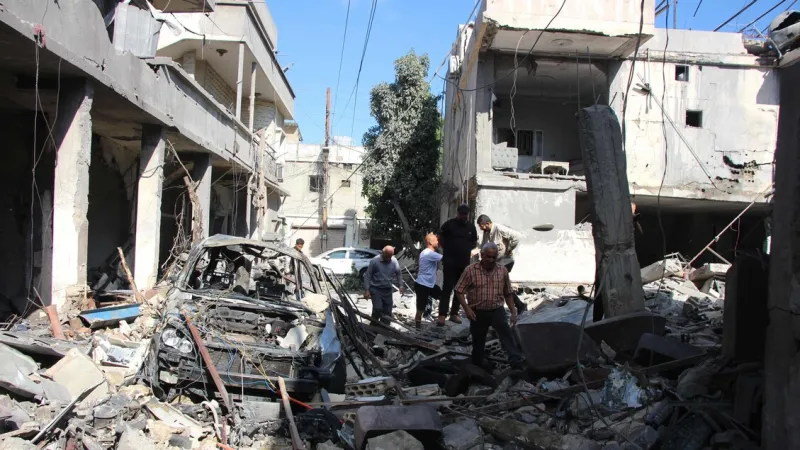
The continued exchange of fire across the Israel-Lebanon border has resulted in significant loss of life on both sides. Recent reports indicate a fresh wave of raids and casualties, particularly in southern Lebanon, highlighting the volatile nature of the ongoing conflict.
Hezbollah, a powerful Shiite political party and militant group supported by Iran, remains a central actor in the regional instability. Its substantial military capabilities and strategic presence near the border constitute a primary concern for Israeli security agencies.
International mediators have reportedly been working behind the scenes to broker a de-escalation, but substantive progress remains elusive. Prime Minister Netanyahu's unilateral decision signifies a notable setback for these diplomatic overtures.
The sustained conflict has devastated civilian infrastructure and displaced thousands of Lebanese residents, exacerbating an already fragile humanitarian situation in the country. Aid organizations continue to warn of the dire consequences for local populations.
Broader regional implications suggest that the stalled negotiations and ongoing hostilities risk drawing other powers into a wider conflict, a prospect that deeply concerns international observers. The Middle East persists as a geopolitical tinderbox.
Separately, but intrinsically linked by the intricate web of regional power dynamics, a significant statement emerged from Tehran regarding high-level diplomatic engagement.
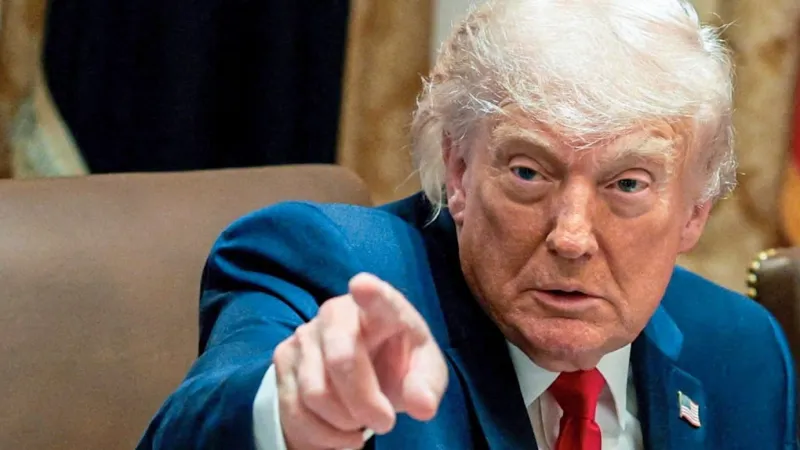
Iranian officials, speaking through state media, indicated that a meeting between President Donald Trump and Supreme Leader Ayatollah Ali Khamenei is currently deemed improbable. This declaration dampens any lingering speculation of a direct dialogue between the two nations.
Tehran's firm stance is understood to reflect deep-seated distrust and fundamental disagreements between the two nations. Primary sticking points include sanctions imposed by Washington, Iran's contentious nuclear program, and its pervasive regional influence.
Such diplomatic stalemates are not unique to this pairing, with similar high-level impasses observed, for instance, when Putin Rejected Selenskyj Direct Talks, citing an unsuitable environment for negotiations.
Relations between Washington and Tehran have remained fraught throughout President Trump's current term, characterized by a series of escalating tensions and frequent diplomatic stalemates. Each side has consistently blamed the other for the lack of breakthrough.
Despite sporadic calls for de-escalation from various international actors, direct high-level talks have been rare. Both Washington and Tehran often set preconditions deemed unacceptable by the opposing party, perpetuating the deadlock.
Analysts suggest that without significant shifts in policy or a dramatic de-escalation of existing conflicts, the prospects for such a high-profile meeting between the American and Iranian leaders remain dim. The announcement from Tehran merely formalizes this prevailing reality.
The intertwined nature of Middle Eastern conflicts means that developments in one theater often reverberate across others. Iran's backing of Hezbollah, for instance, adds a critical layer of complexity to the Israeli-Lebanese front and regional stability.
The immediate future suggests continued military vigilance along the Israeli-Lebanese border and a persistent diplomatic freeze between the United States and Iran. These enduring challenges underscore the complex path toward lasting peace in the region.