Gabriella
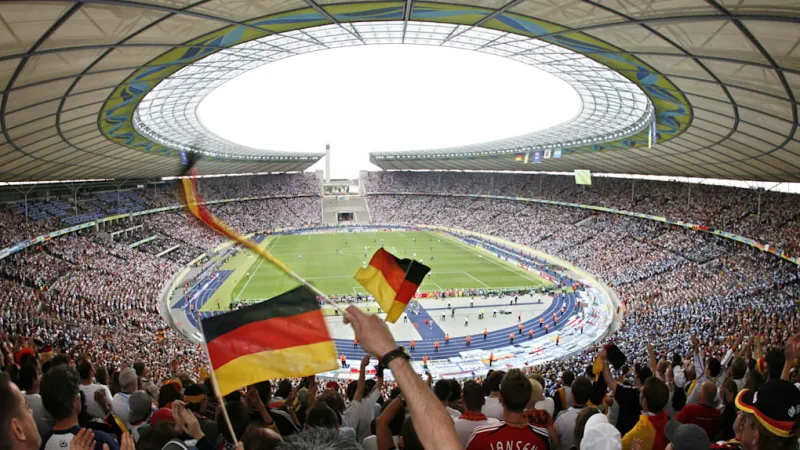
Berlin – The German Football Association (DFB) has set in motion ambitious plans to host the FIFA World Cup by 2042, submitting preliminary proposals to the German Football League (DFL). This strategic move, which aims to bring the pinnacle of international football back to German soil, has garnered significant support from professional clubs across the nation, who perceive it as a substantial opportunity for development and prestige.
The DFB, the governing body of football in Germany, is looking well beyond the immediate future, with the current year being 2026. Their focus extends 16 years forward, demonstrating a long-term vision for the sport's global footprint and its connection to Germany.
The initiative signals a determined effort to showcase Germany's advanced infrastructure, passionate fan base, and organizational prowess on the world stage once more. The plans were formally presented to the DFL, which represents the interests of the 36 professional clubs in the Bundesliga and 2. Bundesliga.
Responses from the clubs have been overwhelmingly positive, with many recognizing the profound economic and cultural benefits that a major tournament like the World Cup could bring. Such an event would stimulate investment, boost tourism, and further solidify Germany's reputation as a premier sporting nation.
Germany boasts a rich history of hosting major international football competitions, having successfully staged the FIFA World Cup in 1974 and most recently in 2006. Both tournaments were lauded for their exceptional organization, vibrant atmosphere, and lasting positive legacies.
The 2006 World Cup, famously dubbed the “Summer Fairy Tale,” remains a benchmark for host nations, leaving behind upgraded stadiums, improved transport links, and a deep sense of national unity. The DFB aims to build upon this legacy, offering an even more modern and sustainable event in 2042.
The proposed bid comes at a time when FIFA is increasingly emphasizing sustainability, human rights, and legacy planning in its host selection process. The DFB is expected to craft a bid that aligns perfectly with these evolving criteria, highlighting Germany's commitment to responsible event management.
Preparing for such a monumental event requires meticulous planning, not only in terms of stadium readiness but also in areas like security, transport, accommodation, and fan zones. German cities already possess much of the necessary infrastructure, which would require only updates and strategic expansions.
While details of potential competing bids from other nations are still years away from emerging, the DFB is proactively laying the groundwork to ensure Germany presents a compelling case to FIFA. Early preparation often proves crucial in securing major sporting assignments.
The formal bidding process for the 2042 tournament is expected to commence sometime in the early to mid-2030s, giving the DFB ample time to refine its proposals, gather national consensus, and build international alliances.
For German football, hosting the World Cup would provide an unparalleled platform for youth development, inspiring a new generation of players and fans. It would also offer a unique opportunity to promote social cohesion and celebrate cultural diversity through the universal language of football.
The DFB's foresight in planning for an event nearly two decades away underscores the intense competition for hosting rights and the strategic importance Germany places on its role in global football. This early declaration marks a significant first step in what will undoubtedly be a protracted and challenging, yet potentially rewarding, endeavor.