 Robert Andrison
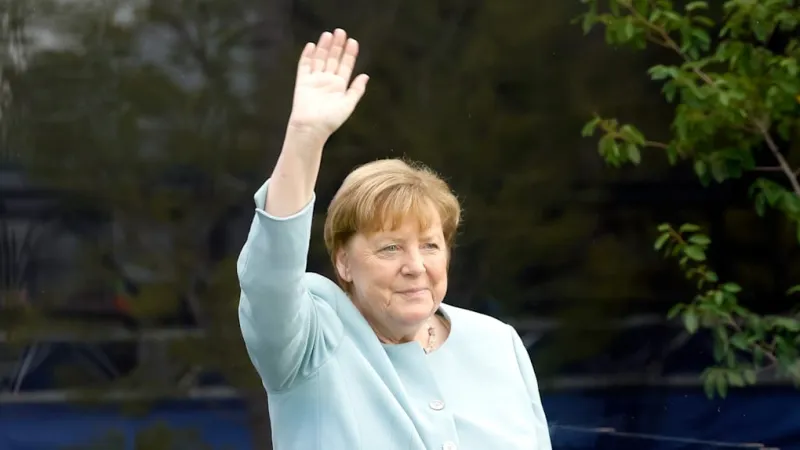
Chicago – Former German Chancellor Angela Merkel received a resounding standing ovation at the highly anticipated opening of the Obama Center, an event that brought together numerous former US presidents and international dignitaries. The ceremony, a beacon of civic engagement and presidential legacy, unfolded with a notable absence: President Donald Trump, who was reportedly not extended an invitation to the significant gathering.
The inauguration of the Obama Center marks a pivotal moment for the south side of Chicago, transforming a public park into a sprawling campus dedicated to community, leadership development, and the legacy of the 44th US President, Barack Obama. The center is envisioned as more than a traditional presidential library, aiming to be an active hub for cultural and civic programming.
The guest list for the grand opening reflected the center's global aspirations, drawing prominent figures from across the political spectrum and international diplomacy. Several former American leaders attended, underscoring a bipartisan appreciation for the historical significance of presidential transitions and legacies, a tradition that often transcends contemporary political divides.
Angela Merkel's presence, and the fervent applause she garnered, underscored her enduring international stature and the deep respect she commands globally. Her steadfast leadership over many years as German Chancellor forged robust transatlantic ties and solidified her reputation as a formidable stateswoman on the world stage.
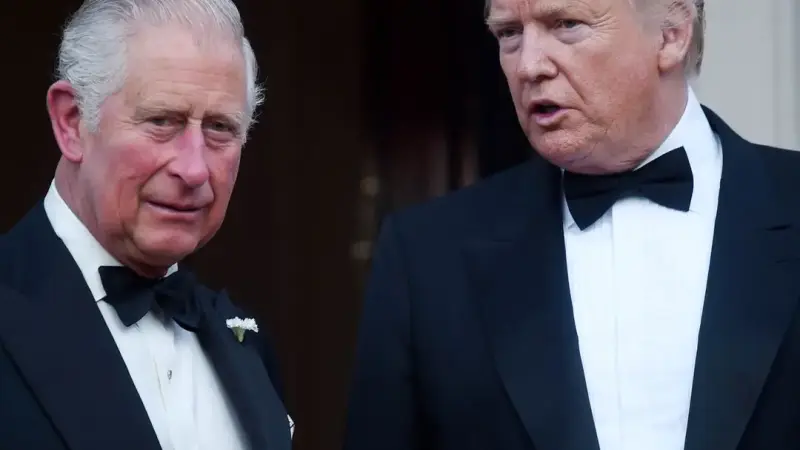
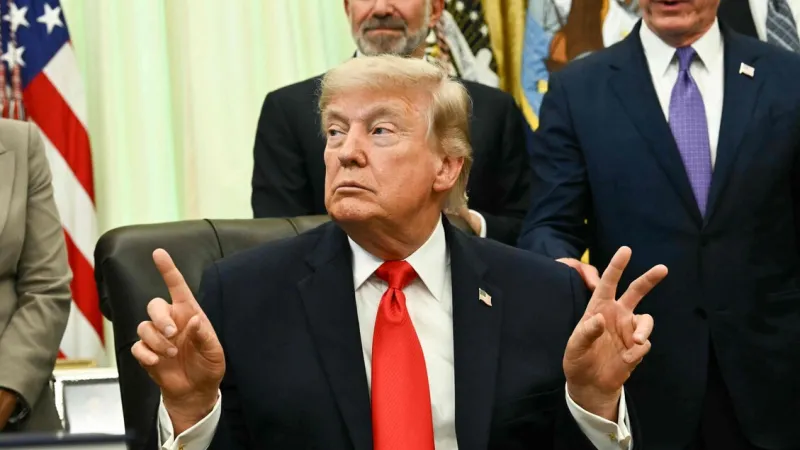
In stark contrast to Merkel's warm reception, the absence of President Donald Trump from an event celebrating a preceding presidency immediately drew attention. As the current occupant of the White House in 2026, his non-invitation to a gathering of this magnitude is a highly unusual deviation from historical precedent, where sitting presidents are often included in such ceremonial occasions.
Reports indicate that President Trump was explicitly not invited, a decision that speaks volumes about the current political climate and the deep-seated divisions that persist within the American political landscape. This move diverges from typical courtesies extended during presidential legacy events, which traditionally aim for a sense of national unity.
The optics of a sitting President being excluded from a major public dedication honoring a predecessor are significant. It highlights the deeply personal and often contentious nature of modern political rivalries, moving beyond policy disagreements into the realm of social and ceremonial exclusion.
The Obama Center, designed to inspire the next generation of leaders and promote active citizenship, aims to foster dialogue and understanding. Its inaugural events, however, inadvertently cast a spotlight on the challenges of achieving such unity in an era of heightened political polarization.
Merkel's continued relevance and her reception illustrate the global community's appreciation for stable, experienced leadership. Her public acknowledgment at the event underscored her role as a symbol of transatlantic cooperation and democratic resilience.
Presidential centers and libraries serve as vital institutions for preserving historical records and fostering public understanding of past administrations. They typically act as unifying symbols of American democracy, making the reported exclusion of a sitting president particularly striking.
This event echoes sentiments observed in similar gatherings, as previously reported in Obama Center Inauguration Unites Presidents; Trump Excluded, highlighting an ongoing narrative where political figures navigate complex social protocols and expectations surrounding such high-profile events.
The Obama Center's opening, while celebrating a monumental legacy, simultaneously provided a poignant reminder of the contemporary political divisions that continue to shape national and international discourse.