Gabriella
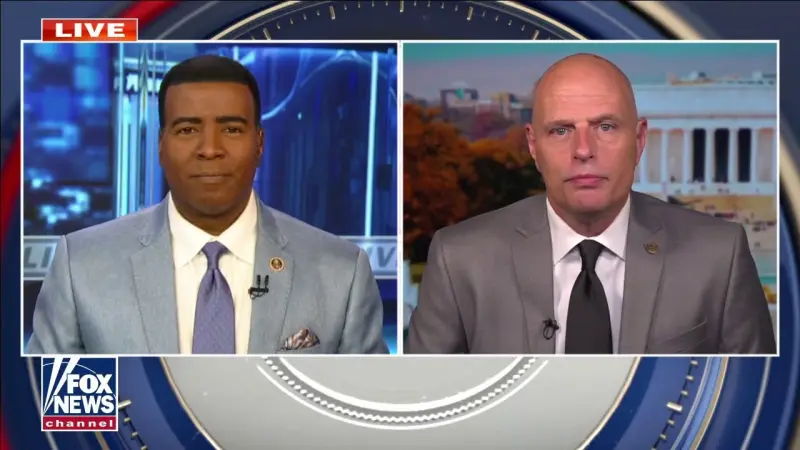
WASHINGTON — The acting director of U.S. Immigration and Customs Enforcement (ICE) announced his immediate resignation today, citing unbearable operational strain from the ongoing, record-breaking government shutdown that has paralyzed federal operations nationwide. His abrupt departure marks a significant leadership vacuum within a critical agency central to President Donald Trump's immigration enforcement policies.
The official, whose name is being withheld pending full internal notification protocols, informed agency staff and White House officials of his decision this morning. This move underscores the deep and escalating crisis facing federal agencies as the protracted funding lapse continues into its unprecedented eighth week, severely impacting essential government functions.
The now-resigned acting ICE director reportedly expressed profound frustration over the inability to fulfill the agency's core mission effectively. He cited a drastic reduction in operational capacity, furloughed staff, and a freezing of vital resources as insurmountable obstacles during a period of heightened national security concerns at the border.
Sources within the Department of Homeland Security, speaking on condition of anonymity due to the sensitive nature of personnel changes during a shutdown, indicated that the director's decision was not unexpected. Tensions between agency leadership and the executive branch have reportedly simmered for weeks over the shutdown's devastating impact on morale and operational readiness.
President Trump's administration has steadfastly maintained its demand for substantial border wall funding as a prerequisite for reopening the government. This impasse with Congress has led to the longest government shutdown in modern American history, affecting hundreds of thousands of federal workers and critical public services.
ICE, tasked with enforcing immigration laws, has seen its enforcement and deportation activities significantly curtailed. While some frontline agents remain on duty, a large portion of support staff, investigators, and administrative personnel have been furloughed, exacerbating existing challenges.
The agency's operations at detention centers and in courtrooms have also faced severe disruption. Lawyers and advocates have reported delays in immigration proceedings and a backlog of cases, creating uncertainty for detainees and their families.
Congressional leaders from both parties swiftly reacted to the news. Democrats characterized the resignation as further evidence of the shutdown's destructive consequences, urging President Trump to negotiate an immediate end to the funding dispute.
Republicans, while acknowledging the operational difficulties, largely reiterated their support for President Trump's border security initiatives. Some expressed hope that a new acting director would be able to navigate the current climate more effectively.
The White House issued a brief statement acknowledging the resignation, thanking the outgoing director for his service, and confirming that an interim replacement would be named in the coming days. The statement did not address the specific reasons for the resignation or the impact of the shutdown directly.
This high-profile resignation comes just as concerns mount over the long-term effects of the shutdown on national security, public safety, and the economy. Experts warn of lasting damage to agency capabilities and workforce retention if the current stalemate persists.
The departure of the acting ICE director is expected to intensify pressure on both the White House and Congress to find a resolution to the budget impasse. Immigration enforcement, a cornerstone of President Trump's platform, now faces renewed scrutiny amid this leadership vacuum.
The incident further highlights the profound human and operational costs of a prolonged government shutdown. The implications for border security and interior enforcement remain a critical concern as the nation awaits a path forward from its elected officials.
As of late afternoon, no immediate successor had been named, leaving one of the nation's most controversial and vital federal agencies in a state of precarious leadership during an unprecedented crisis.