 Angel Doris
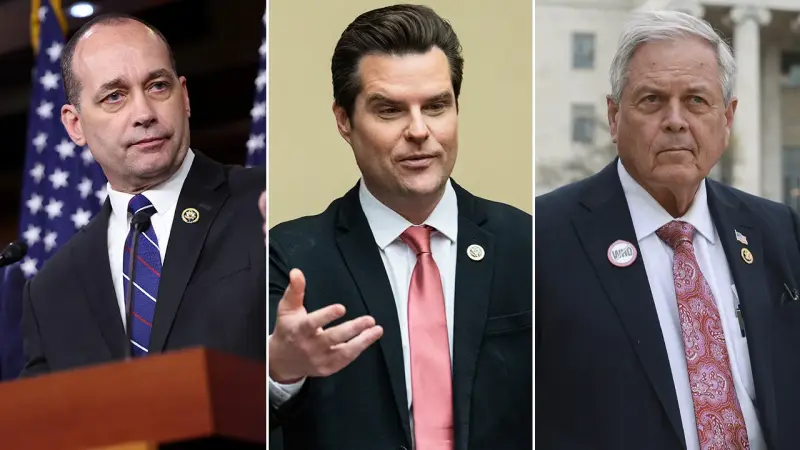
WASHINGTON — A significant internal rebellion among House Republicans effectively derailed efforts to renew a crucial section of the Foreign Intelligence Surveillance Act (FISA) on Thursday, halting a key national security measure amidst deep ideological divisions over government surveillance powers. The unexpected blockage occurred following intense debates and a procedural vote that exposed the widening chasm within the Republican conference regarding civil liberties and intelligence gathering.
This legislative setback marks a major blow to national security agencies, which rely heavily on FISA Section 702 to collect intelligence on foreign adversaries operating outside the United States. House Speaker Kevin McCarthy had pushed for a clean renewal, citing urgent national security imperatives, but faced insurmountable opposition from a vocal faction within his own party.
The procedural vote, intended to bring the reauthorization bill to the floor for debate, failed by a narrow margin, with several dozen Republicans voting against their leadership. These dissenters, often aligned with libertarian-leaning conservatives, argued that Section 702 poses an unacceptable risk to Americans Fourth Amendment rights, citing past instances of intelligence agencies improperly accessing data belonging to U.S. citizens.
Intelligence officials and the Biden administration previously warned that allowing Section 702 to lapse would create a dangerous blind spot in the nations intelligence capabilities. President Donald Trump, however, has often expressed skepticism about the program, particularly in light of its alleged misuse during previous administrations investigations, adding a complex political dynamic to the reauthorization debate.
The White House remained largely silent following the vote, but aides indicated President Trumps frustration with the ongoing gridlock. Sources close to the administration suggest the President is monitoring the situation closely and may weigh in on potential next steps, balancing national security needs with his long-standing concerns about surveillance overreach.
Civil liberties advocates applauded the rebellions success, viewing it as a victory for privacy rights. Organizations like the American Civil Liberties Union have long called for significant reforms to FISA, arguing that existing safeguards are insufficient to prevent abuses of power. They advocate for warrants to be required for all U.S. person searches.
Conversely, numerous national security experts expressed alarm at the developments. They contend that delaying or failing to renew Section 702 jeopardizes vital intelligence streams that protect the country from terrorism, cyberattacks, and espionage by foreign governments. The intelligence community relies on this authority to track individuals like terrorists and spies who are not U.S. citizens and are located abroad.
The political fallout from Thursdays vote is expected to be substantial. Speaker McCarthy faces renewed questions about his ability to unite his conference and advance critical legislation. The deep divisions within the House GOP on issues of government power and individual freedom continue to plague the party leadership.
With Section 702 now in legislative limbo, the path forward remains unclear. Lawmakers will need to reconcile the urgent demands of national security agencies with the increasingly strident calls for greater civil liberties protections. The debate over the balance between security and privacy is far from over, poised to shape legislative battles for the foreseeable future.
Further discussions are anticipated in the coming days as House leadership attempts to find a compromise that can garner sufficient bipartisan support. Any new legislative proposal will likely include amendments aimed at addressing the privacy concerns raised by the dissenting Republicans, though reaching consensus on such highly contentious issues will prove challenging.