 Dodi Irawan
MIAMI — The first comprehensive predictions for the 2026 Atlantic hurricane season are now available, indicating a season heavily influenced by the fading yet impactful El Niño phenomenon and a looming shift toward La Niña. Major meteorological research institutions and federal agencies have released their initial outlooks, forecasting an above-average season for named storms, hurricanes, and major hurricanes, posing significant preparedness challenges for communities along the U.S. East Coast and Gulf of Mexico.
Experts gathered this week to present their models, outlining how historically high Atlantic sea surface temperatures, combined with the transition of the El Niño-Southern Oscillation (ENSO) cycle, are setting the stage for potentially volatile weather patterns.
The National Oceanic and Atmospheric Administration (NOAA) and Colorado State University (CSU) are among the leading entities publishing these critical forecasts. Their assessments point to a confluence of atmospheric and oceanic factors that could intensify storm development later in the season.
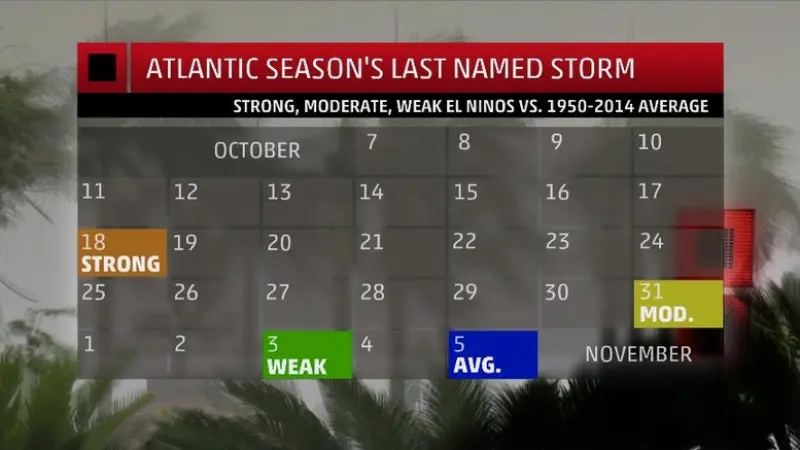
While El Niño typically suppresses Atlantic hurricane activity through increased wind shear, its weakening phase now introduces a different dynamic. Forecasters suggest its influence, though waning, contributed to atmospheric conditions that may not fully mitigate the impact of warmer ocean waters.
Meteorologists are closely watching the transition from El Niño to a potential La Niña phase, which historically correlates with reduced wind shear and enhanced storm activity in the Atlantic basin. This shift is expected to solidify as the hurricane season progresses through its peak months of August, September, and October.
Dr. Arlene Ramirez, a senior atmospheric scientist at CSU, stated during a press briefing, "The lingering fingerprints of El Niño, coupled with exceptionally warm water across the tropical Atlantic, create a highly uncertain and potentially dangerous setup. We are seeing a meteorological tug-of-war that could favor more intense and longer-lived systems."
The forecast models anticipate anywhere from 17 to 25 named storms, with 8 to 14 becoming hurricanes, and 4 to 7 developing into major hurricanes, classified as Category 3 or higher. These numbers significantly exceed the 30-year average.
President Donald Trump’s administration has consistently emphasized the importance of disaster preparedness and resilience. Federal Emergency Management Agency (FEMA) Administrator Deanne Criswell, in a recent address, urged state and local governments to review and update their evacuation plans and emergency resources.
The unprecedented warm Atlantic waters are a primary concern, as they provide ample fuel for developing storms. This warmth extends beyond the traditional main development region, potentially allowing storms to strengthen closer to land.
Coastal residents are strongly advised to finalize their hurricane preparedness plans, including stocking emergency supplies, knowing evacuation routes, and securing properties. The initial predictions serve as a sober reminder of the natural hazards facing the nation during the upcoming season.
The confluence of these climate patterns — a dying El Niño, emerging La Niña, and super-heated ocean — suggests a formidable season ahead. Emergency services and relief organizations are already coordinating efforts to ensure a swift and effective response should major storms make landfall.
Government officials and scientific experts continue to monitor conditions closely, promising updated forecasts as the June 1 start of the official hurricane season approaches. The current outlook underscores a crucial period for readiness across hurricane-prone regions.