 Debby Wijaya
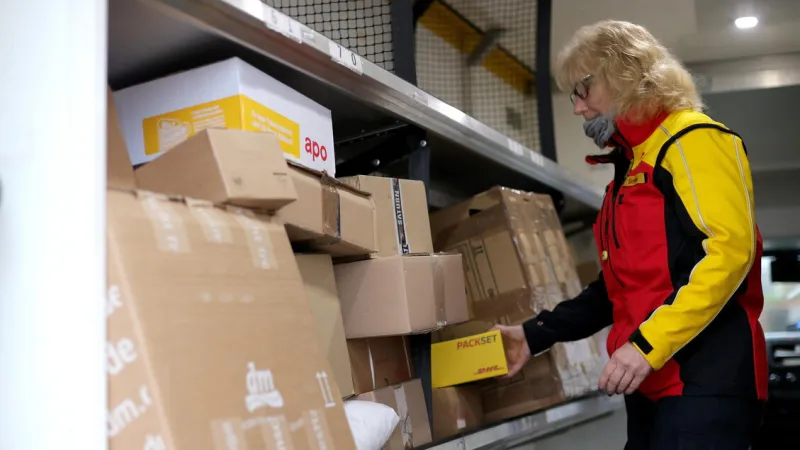
ROME – The Italian government has deferred the implementation of a new two-euro package tax until October 1, 2026, a significant fiscal adjustment that coincides with the immediate reintroduction of critical labor regulations aimed at safeguarding workers during the nation's severe heatwaves. This dual announcement reflects Rome's strategic balancing act between economic policy and urgent public health concerns.
Originally slated for an earlier debut, the two-euro package levy applies to certain consumer goods shipped or delivered, intended to generate revenue for specific public services. The postponement signals a potential recalibration of fiscal priorities or an acknowledgment of the current economic climate's sensitivity to new consumer charges.
Sources within the Ministry of Economy and Finance, speaking on background, indicated that the delay allows businesses and consumers additional time to adjust to the forthcoming charge. This administrative grace period is also designed to ensure a smoother integration into the broader economic framework without immediate disruption to supply chains or consumer spending habits.
Concurrently, authorities have activated updated provisions mandating operational halts and access to Italy's Cassa Integrazione Guadagni (CIG) mechanism – a state-backed wage guarantee fund – for employees affected by extreme temperatures. This measure provides a crucial safety net, allowing companies to suspend activities without financially penalizing their workforce during hazardous weather conditions.
The re-emergence of stringent heatwave protocols underscores a growing national concern over climate change's direct impact on public health and economic productivity. Italy, particularly its southern regions, has consistently experienced record-breaking summer temperatures, posing significant risks to outdoor laborers and vulnerable populations.
Experts from the National Institute for Public Health have vocally advocated for these protective measures, emphasizing the heightened risks of heatstroke, dehydration, and other heat-related illnesses among construction workers, agricultural laborers, and delivery personnel. The CIG ensures that even when work stops, employees receive a portion of their wages, mitigating financial hardship.
This commitment to worker welfare during meteorological crises aligns with a broader European trend toward enhanced climate resilience and labor protection. Other European Union member states are similarly grappling with the socio-economic ramifications of increasingly frequent and intense heatwaves.
The package tax, once enforced, is projected to contribute to governmental coffers, potentially funding initiatives ranging from environmental protection to social welfare programs. Its staggered introduction might also serve as a trial period, allowing for an assessment of its economic impact before full-scale implementation.
Critics of the package tax have voiced concerns about its potential to disproportionately affect low-income households and small businesses, arguing that it could lead to increased operational costs for e-commerce platforms and higher prices for consumers. The delay offers a temporary reprieve, but the underlying debate about its equity persists.
Conversely, proponents argue that such micro-taxes are necessary to fund critical public services and achieve fiscal stability, especially in an era of fluctuating global markets and increasing demands on state resources. They highlight that the two-euro fee is a modest contribution when viewed against the wider benefits it aims to support.
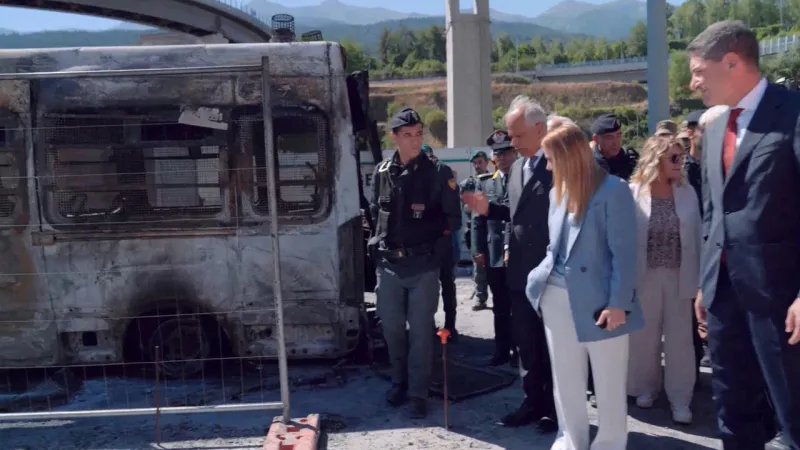
The Italian government, under Prime Minister Giorgia Meloni, continues to navigate complex domestic and international challenges. Decisions like the package tax delay and the heatwave labor rules reflect a multi-faceted approach to governance, addressing immediate crises while planning for long-term economic and social stability. The cabinet has been working to protect vital alliances and manage economic policy, as seen in past strategic moves. Meloni Steers Cabinet to Protect Vital US-Italy Alliance Amid Trump Spat
Public opinion remains divided on both fronts. While many welcome the immediate protection for workers, concerns linger regarding the long-term economic implications of new taxes. The extended timeline for the package tax could allow for further public discourse and potential refinements to the legislation.
The interplay between fiscal policy and environmental exigencies defines much of contemporary Italian policymaking. As summer progresses, the effectiveness of these heatwave measures will be closely observed, particularly by families facing decisions regarding school closures and outdoor activities. Heatwave Prompts Parental Dilemma: Schools Battle Unprecedented Temperatures
The October 1 deadline for the package tax provides a clear horizon for businesses to prepare. Meanwhile, the immediate activation of heatwave protections offers a tangible response to an immediate and recurring environmental threat, demonstrating the government's responsiveness to health and safety concerns.
This legislative maneuvering by Rome underscores a commitment to incremental reform rather than abrupt policy shifts. It aims to cushion the impact of new fiscal burdens while proactively addressing the profound challenges posed by climate change on the nation's workforce.