Gabriella
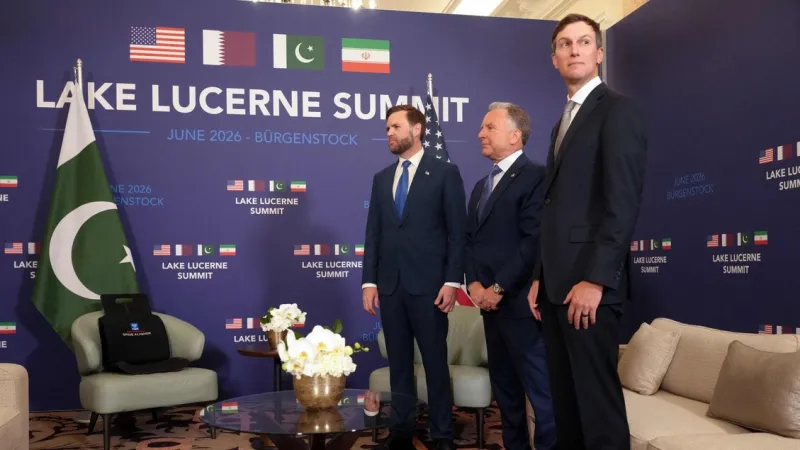
GENEVA – Diplomatic efforts between the United States and Iran advanced this week, with US Envoy Vance reporting progress despite President Donald Trump issuing a stark warning to Tehran regarding the Strait of Hormuz. The complex negotiations, aimed at de-escalating regional tensions and addressing Irans nuclear program, unfolded as the Iranian delegation notably declined a joint photograph with their American counterparts, underscoring persistent mistrust.
President Trump articulated his firm stance during an interview with Fox News, delivering an unequivocal message: “If you close Hormuz, you will no longer have a country.” This aggressive declaration underscores Washingtons zero-tolerance policy toward any attempts to disrupt global oil shipments through the critical waterway, a key strategic choke point.
The US leader also targeted Irans regional influence, specifically its support for proxy groups. “Iran, stop its proxies in Lebanon or we will strike again,” President Trump stated, linking military action to Tehrans continued activities in the region. This ultimatum highlights the broader scope of Washingtons concerns beyond the nuclear issue, encompassing regional stability and the activities of groups like Hezbollah.
Countering the US pressure, Iranian President Pezeshkian firmly reiterated his nations position on its nuclear ambitions. “We do not seek the atomic bomb, but we will not give up uranium enrichment,” Pezeshkian declared. This statement reinforces Irans long-held assertion of its right to peaceful nuclear technology under international law, while denying weaponization efforts.
Despite the public rhetoric, US Envoy Vance provided a more optimistic assessment of the direct talks. Vance indicated that “progress has been made” during the discussions. These high-level engagements mark a significant diplomatic pathway in a relationship often defined by tension and confrontation, suggesting a concerted effort to find common ground.
The resumption of these critical talks in Switzerland follows previous diplomatic overtures. These discussions come at a time when global powers are keenly observing developments in the Middle East. The delicate balance required for these negotiations was highlighted by earlier reports of US, Iran Resume Critical Swiss Talks; Tehran Demands Uranium Rights.
The Strait of Hormuz remains central to these geopolitical tensions. Situated between the Persian Gulf and the Gulf of Oman, it is a vital maritime route through which a significant portion of the worlds oil supply passes daily. Any threat to its closure sends immediate shockwaves through global energy markets and prompts swift international condemnation.
The Iranian delegation's refusal to participate in a joint photo opportunity with US negotiators symbolizes the deep-seated animosity and lack of full trust that continues to plague bilateral relations. While diplomatic courtesies are often observed, this deliberate act underscores the considerable distance still remaining between the two nations despite ongoing dialogue.
The current round of diplomacy aims to navigate the tumultuous history between Washington and Tehran, particularly since the 2026 withdrawal from the Joint Comprehensive Plan of Action (JCPOA), commonly known as the Iran nuclear deal. President Trumps administration has consistently sought a more comprehensive agreement addressing Irans ballistic missile program and regional proxy networks.
Iranian officials have consistently maintained that their nuclear program is solely for civilian purposes and have demanded recognition of their right to enrichment within any new framework. This fundamental disagreement on uranium enrichment remains a primary hurdle. Previous reports, such as Iran Nuclear Talks Begin Amid Hormuz Closure, Uranium Enrichment Standoff, highlighted the persistent nature of these challenges.
The reported progress by Envoy Vance, while unspecified in detail, suggests that channels of communication are yielding some substantive, albeit incremental, results. However, the stark public warnings from President Trump and Irans unwavering stance on enrichment signal that any comprehensive resolution remains a formidable challenge.
Observers caution that breakthroughs will require significant concessions from both sides. The interplay between hardline public statements and private diplomatic overtures is a characteristic feature of these prolonged negotiations. The path forward is fraught with obstacles, demanding astute diplomacy and a willingness to compromise.