 Chris Robert
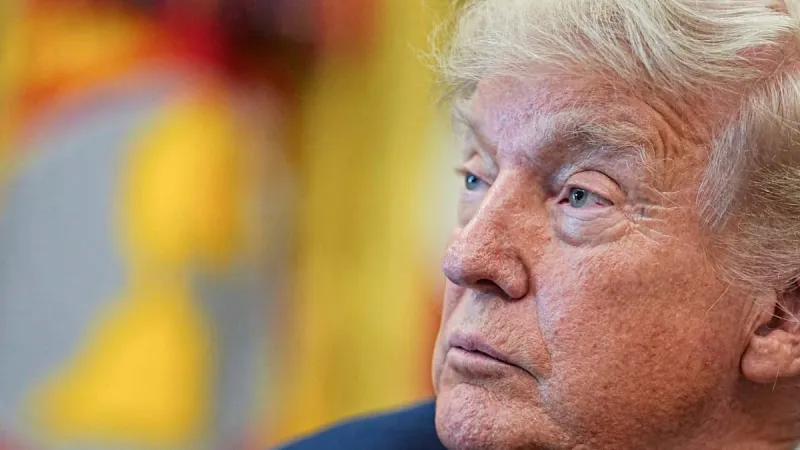
WASHINGTON, D.C. -- The United States Supreme Court today delivered a significant rebuke to President Donald Trump, overturning an executive decree that sought to severely limit automatic birthright citizenship for children born within the nation's borders. The high court's decision, which effectively upholds decades of legal precedent, represents a major setback for the Trump administration's immigration agenda and reaffirms the interpretation of the 14th Amendment's Citizenship Clause.
The contentious decree, initiated by President Trump earlier in his term, aimed to challenge the long-held understanding that all individuals born in the U.S., regardless of their parents' legal status, are automatically citizens. Proponents of the decree argued for a stricter interpretation of the Constitution, contending that the phrase "subject to the jurisdiction thereof" did not apply to children of undocumented immigrants.
However, the Supreme Court, in its ruling, found the executive order to be an overreach of presidential authority and inconsistent with the established legal framework surrounding the 14th Amendment. While specific details of the court's reasoning are still being fully analyzed, early reports suggest a broad consensus among the justices to preserve the constitutional interpretation that has stood for over a century.
Reaction from the White House was swift and sharply critical. Correspondent Michael Wullenweber, observing the administration's response, remarked, "For Trump, this borders on betrayal." The President has often expressed his strong personal conviction that birthright citizenship, as currently practiced, encourages illegal immigration and is detrimental to national sovereignty.
This ruling marks the latest chapter in a protracted legal and political battle over immigration policy, a central pillar of President Trump's platform. His administration has repeatedly sought to implement more restrictive measures, ranging from border wall construction to limitations on asylum claims and changes to legal immigration pathways.
The concept of birthright citizenship, enshrined in the 14th Amendment following the Civil War, was primarily intended to grant citizenship to formerly enslaved people. Over time, its application expanded to cover all individuals born on U.S. soil. Legal scholars and civil rights advocates have consistently argued that any attempt to unilaterally alter this principle without a constitutional amendment would be a grave constitutional crisis.
Opponents of the Trump decree lauded the Supreme Court's decision as a victory for constitutional integrity and human rights. Immigration advocacy groups expressed relief, emphasizing that the ruling protects vulnerable populations and maintains a bedrock principle of American identity. They argue that denying citizenship to children born in the U.S. would create a permanent underclass and further complicate an already complex immigration system.
The implications of this decision extend beyond the immediate legal challenge. It sends a clear message about the limits of presidential power in matters of constitutional interpretation and reinforces the judiciary's role as a check on the executive branch. This outcome also invigorates debates about judicial appointments and the ideological balance of the Supreme Court, especially in the context of future presidential elections.
Looking ahead, while the immediate decree has been invalidated, President Trump's administration may explore other avenues to achieve its policy goals, potentially through legislative efforts or further legal challenges on different grounds. However, the Supreme Court's definitive stance on this particular aspect of birthright citizenship makes a direct executive reversal unlikely in the near future. The principle of birthright citizenship, a cornerstone of American law, appears secure for now, as detailed in previous reports such as Supreme Court Upholds Birthright Citizenship, Delivering Blow to President Trump.
This ruling underscores the ongoing tension between presidential policy ambitions and constitutional boundaries. It serves as a reminder of the dynamic interplay among the branches of government and the enduring power of judicial review in shaping the nation's legal landscape, particularly concerning issues as fundamental as citizenship.
The debate around birthright citizenship, though settled legally by this ruling, is expected to remain a potent political talking point. It highlights differing philosophies on national identity, immigration enforcement, and the interpretation of foundational legal texts. As the 2026 political cycle progresses, this Supreme Court decision will undoubtedly feature prominently in discussions regarding the future direction of the country's legal and social policies.