Angel Doris
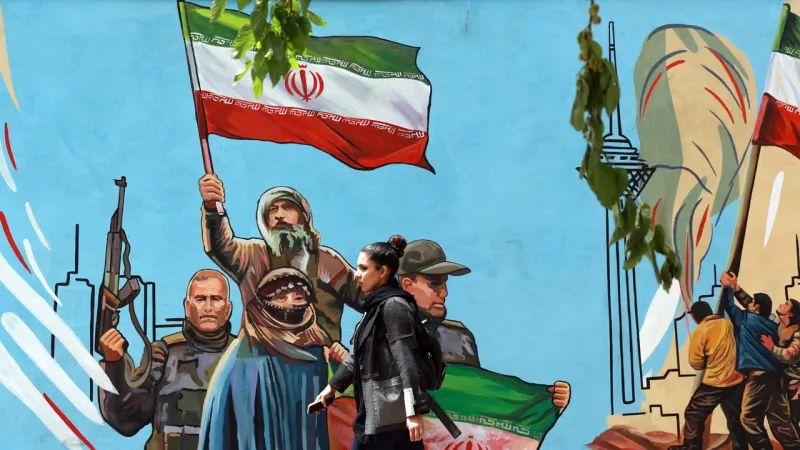
Tehran leveled grave accusations against the United States today, asserting that Washington is actively preparing for “total conflict in the region” following an incident involving a tanker strike in the vital Strait of Hormuz. The accusation immediately intensified regional anxieties, though CNN reported “no indications of Israeli involvement” in the recent attack.
Iranian state media disseminated the claims, attributing them to high-ranking officials who perceive the tanker incident as part of a broader American strategy to destabilize the Persian Gulf. This echoes past rhetoric, as Tehran has previously declared victory against the US and Israel amid similar tanker strikes.
The Strait of Hormuz, a narrow maritime chokepoint through which a significant portion of the world's oil supply transits, remains a flashpoint for international tension. Incidents there frequently trigger global concern over energy security and geopolitical stability.
While specific details of the tanker strike remain sparse, reports suggest the vessel sustained damage. Authorities are investigating the nature and origin of the attack, which underscores the precarious security situation in one of the world's busiest shipping lanes.
The accusations from Tehran come against a backdrop of complex and often fraught relations between the United States and Iran under President Donald Trump's administration. Washington has consistently maintained a robust military presence in the Middle East, citing the need to protect international shipping and deter malign actors.
US officials have not yet issued a direct public response to Iran's latest allegations regarding total conflict preparation, though the Department of Defense routinely monitors maritime activities in the region. Previous reports indicated that the US was poised for major Iran strikes, to which Tehran vowed retaliation.
CNN's report, which cited intelligence sources, clarified that Israel shows “no signal” of participation in the recent tanker strike. This detail is significant, potentially isolating the incident from the broader, more complex regional rivalries that often involve Israel.
The Persian Gulf has witnessed numerous maritime incidents and accusations between Washington and Tehran in recent years, often escalating rhetorical exchanges and heightening military alerts. The strategic waterway has been a theater for both overt and covert actions.
International shipping bodies and allies are likely to be closely monitoring developments. Any perceived threat to commercial vessels in the Strait of Hormuz can send ripples through global markets and elicit calls for de-escalation from international partners.
A full-scale conflict in the region, as alleged by Tehran, would have catastrophic implications for global oil prices and supply chains, potentially triggering a worldwide economic crisis. The mere threat of such a scenario often prompts market volatility.
Diplomatic channels, though often strained, would likely be activated to prevent further escalation. United Nations representatives have routinely urged all parties in the region to exercise restraint and prioritize peaceful resolutions.
Iran's Revolutionary Guard Corps has frequently conducted military exercises in the Strait of Hormuz, demonstrating its capacity to disrupt shipping if provoked, underscoring Iran's unveiled retaliation plan targeting US energy and Israeli assets in response to perceived threats.
Neighbors within the Persian Gulf have expressed continuous concerns about the fragile security environment, with many nations advocating for dialogue to avert wider conflict that could engulf the entire Middle East.
President Donald Trump's administration has pursued a policy of maximum pressure against Iran, implementing stringent sanctions and often responding robustly to perceived Iranian provocations, a stance that Iran views as inherently aggressive.