 Chris Robert
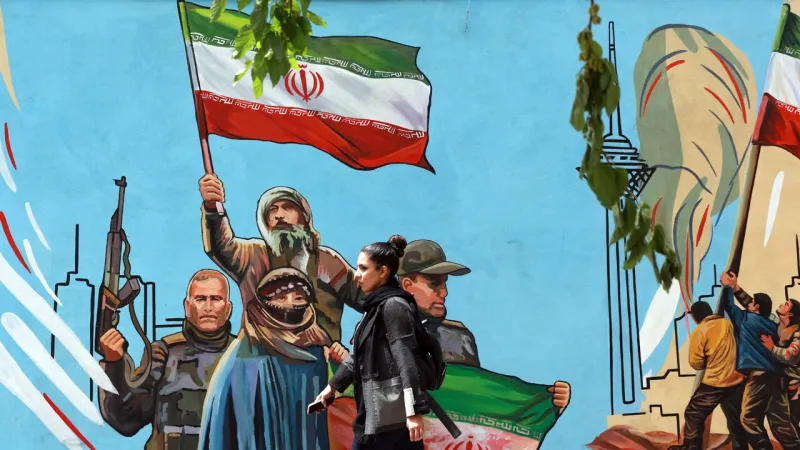
TEHRAN – Iran has reportedly finalized an extensive retaliation plan, explicitly targeting United States energy infrastructure within the region and vital assets belonging to the Zionist regime. This development follows heightened tensions and reports of a tanker incident in the strategic Strait of Hormuz, with Iranian officials issuing warnings of a swift response to any perceived American folly.
The announcement underscores a critical escalation in the already volatile relationship between Tehran and Washington. For months, geopolitical observers have closely monitored the Persian Gulf, anticipating potential flashpoints as both nations navigate a complex diplomatic landscape.
According to sources close to Tehran, the detailed plan includes provisions for striking key US energy facilities, particularly those contributing to the American presence and influence in the Middle East. Such targets would presumably encompass oil fields, refineries, and transportation hubs deemed crucial for US regional operations.
Furthermore, the Iranian blueprint specifically designates vital infrastructure of the Zionist regime, a term frequently used by Iranian authorities to refer to Israel, as a primary target. This inclusion signals a broader regional strategy, potentially drawing other actors into any future conflict.
This revelation emerges amidst a period of significant regional instability. The alleged tanker incident in the Strait of Hormuz, a critical maritime choke point for global oil supplies, has further exacerbated anxieties, although specific details regarding the incident remain scarce and contested by various parties.
The Strait of Hormuz is paramount to global energy security, with approximately one-fifth of the world's total oil consumption passing through its narrow waters daily. Any disruption in this strait could trigger severe international economic repercussions, affecting oil prices and global trade.
President Donald Trump's administration has consistently maintained a firm stance against what it characterizes as Iranian aggression in the region. Washington has previously authorized robust military responses to perceived threats, setting a precedent for potential future actions.
In related developments, earlier reports indicated the US Poised for Major Iran Strikes; Tehran Vows Retaliation, highlighting the existing state of readiness and the reciprocal threats exchanged between the two nations. This underscores a protracted period of escalating rhetoric and military posturing.
Experts suggest that Iran's public articulation of its retaliation plan serves multiple purposes: deterring potential US military actions, demonstrating resolve to its regional allies, and rallying domestic support amid external pressures. The specificity of targeting US energy infrastructure and Israeli assets aims to maximize strategic impact.
Regional allies of the United States, including Saudi Arabia and the United Arab Emirates, are likely assessing the implications of Iran's stated intentions. Any conflict involving these critical energy assets could destabilize the entire Gulf region, impacting international oil markets and security alliances.
The international community has repeatedly called for de-escalation and diplomatic engagement to prevent a broader conflict in the Middle East. However, the latest announcement from Tehran suggests a deepening resolve to confront perceived threats through military means, challenging calls for restraint.
As the situation unfolds, global attention remains fixed on the Persian Gulf, where the intricate web of geopolitical interests, energy security, and regional rivalries could ignite further hostilities. The precise timing and nature of any Iranian response, should Washington proceed with actions Tehran deems an act of folly, remain unclear.