 Demian Sahputra
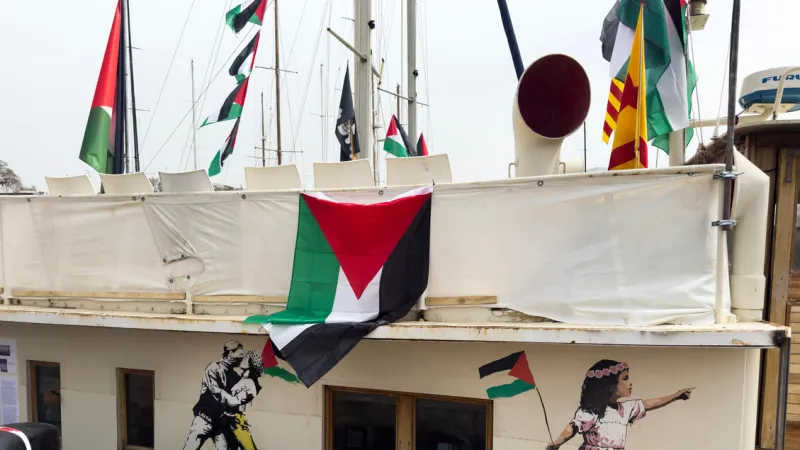
Brussels, Belgium – European Union leaders are weighing punitive measures against extremist Israeli ministers and have strongly condemned the alleged mistreatment of Flotilla activists, according to a draft statement from a recent summit. The proposed text underscores growing international exasperation with certain Israeli policies and actions in the region.
The draft, circulated among member states, explicitly calls for working on sanctions targeting specific individuals within the Israeli government deemed to hold extremist views or to have engaged in actions undermining peace and stability. This move marks a significant escalation in the EU's diplomatic pressure.
Concurrently, the document registers the EU's unequivocal condemnation of the reported ill-treatment of activists aboard a recent Flotilla. Humanitarian aid missions to the region have frequently been flashpoints for confrontation, drawing sharp criticism from international bodies and human rights organizations.
The current diplomatic posture reflects a deepening rift between the EU and elements within Israel's right-wing government. Relations have been strained by ongoing settlement expansion, escalating violence in the Palestinian territories, and a perceived disregard for international humanitarian law.
While the draft does not name specific ministers, several prominent figures in Israel's coalition government have drawn international censure for their incendiary rhetoric and hardline stances on Palestinian issues. These individuals have advocated for policies widely seen as annexationist and detrimental to a two-state solution.
Imposing sanctions on sitting ministers of a democratic ally represents a rare and serious diplomatic step for the European Union. While individual travel bans and asset freezes have been used against officials from other nations, applying such measures to Israeli government members would signal a profound shift.
The condemnation of the Flotilla incident highlights recurrent concerns over freedom of movement and humanitarian access to Gaza. Activists on these maritime ventures often aim to challenge blockades and deliver aid, frequently leading to confrontations with Israeli forces.
The EU's stance also comes amidst a broader international debate on Middle East policy. President Donald Trump's administration, while maintaining strong ties with Israel, has also at times sought to de-escalate regional tensions and advance truce talks, as seen in past interventions. Trump Intervenes: Netanyahu Halted Amid Iran Tensions, Truce Talks Progress. This dual approach emphasizes the complexity of global diplomacy concerning Israel.
Should the sanctions proceed, their impact could extend beyond the targeted individuals, potentially influencing the political dynamics within Israel and prompting a reevaluation of its engagement with European partners. The economic ramifications, while potentially limited, would carry significant symbolic weight.
The draft document now faces further negotiations among EU member states, where nuances and potential objections will be addressed. Achieving unanimous consensus on such sensitive measures can be challenging, yet the initial circulation signals a firm political will to act.
Humanitarian organizations have consistently called for improved conditions for Palestinians and unimpeded aid delivery, citing widespread suffering and infrastructure challenges. The EU's explicit condemnation of Flotilla activist mistreatment resonates with these broader humanitarian appeals.
This move by the EU occurs against a backdrop of ongoing regional instability. Recent events, such as reported Israeli raids into neighboring territories, have underscored the volatility of the Middle East and the urgent need for diplomatic solutions. Israel Raids Lebanon, Seven Die Amid Iran's Stiff US Proposal Review.
Many international observers have urged all parties to exercise restraint and prioritize de-escalation. The EU's consideration of sanctions serves as a powerful reminder of the international community's expectations regarding human rights and adherence to international law.
As the European Union refines its position, the world watches closely for how these diplomatic pressures might shape future developments in the enduring Israeli-Palestinian conflict and the broader dynamics of Middle Eastern geopolitics.