 Robert Andrison
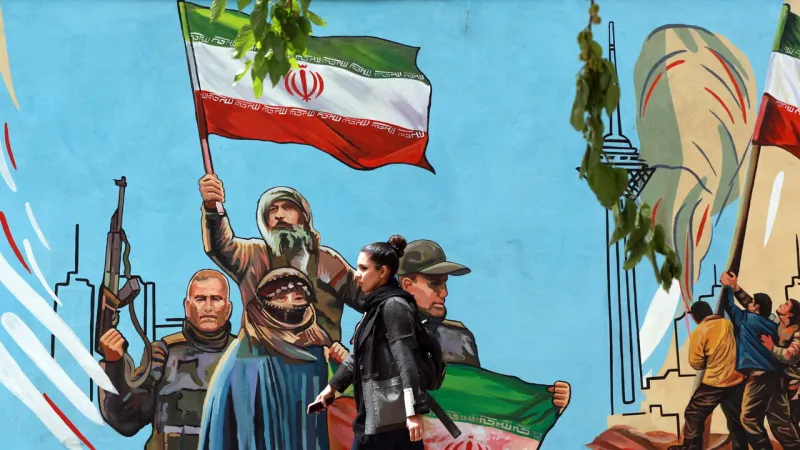
TEHRAN — Iran's Parliament Speaker Mohammad Bagher Ghalibaf declared Friday that the Islamic Republic has secured victory in its enduring struggle against the United States and Israel, a bold assertion coinciding with reports of a commercial tanker being struck in the highly strategic Strait of Hormuz. This pronouncement from the Iranian capital underscores a heightened state of geopolitical tension, with Tehran reportedly poised to implement a comprehensive strategy to counter what it terms the folly of the United States.
Speaker Ghalibaf's statement, delivered from a prominent platform, did not elaborate on the specific metrics or events he cited as evidence of this declared victory. However, his remarks resonate within a regional landscape marked by persistent proxy conflicts, cyber warfare, and economic sanctions that have deeply impacted Iran's relations with Western powers and regional adversaries.
The reported incident involving a tanker in the Strait of Hormuz adds a tangible dimension to Ghalibaf's rhetoric. While specific details regarding the vessel, the nature of the attack, or any casualties remain unconfirmed by independent sources, any disruption in this vital waterway immediately raises global concerns. Approximately one-fifth of the world's total oil consumption and a third of all seaborne traded oil passes through this narrow maritime choke point daily.
Amidst these developments, Tehran has explicitly stated its readiness with a plan designed to respond forcefully to what it perceives as American adventurism. This declaration follows previous warnings from Iranian officials, with some reports indicating that Iran has unveiled a retaliation plan targeting US energy and Israeli assets. Such a strategy could encompass a spectrum of responses, from kinetic actions to cyber offensives against critical infrastructure.
The escalating rhetoric from Tehran arrives at a period of pronounced vigilance from Washington. President Donald Trump's administration has consistently maintained a firm stance against Iran's regional activities and nuclear program. The White House has previously indicated that the United States remains poised for major strikes against Iran should its interests or allies be threatened.
The current trajectory of the Iran US Israel conflict suggests a deepening impasse, with both sides appearing to double down on their respective positions. Israel, a key US ally in the region, has also frequently expressed concerns about Iran's nuclear ambitions and its support for militant groups, asserting its right to defend itself against perceived threats from Tehran.
Historically, the relationship between Iran and the United States has been fraught with tension since the 1979 Islamic Revolution. Decades of sanctions, military posturing, and covert operations have fostered deep distrust, with the Strait of Hormuz often serving as a flashpoint for naval confrontations and security incidents.
The immediate aftermath of such incidents typically involves a surge in global oil prices and increased military presence in the Persian Gulf. International shipping bodies often issue advisories, underscoring the precarious security environment for commercial vessels navigating these crucial maritime lanes.
Diplomats and international observers are closely monitoring the situation, urging de-escalation from all parties involved. The potential for miscalculation in such a volatile region remains a significant concern, with calls for restraint echoing from various world capitals to prevent a broader regional conflagration.
The United Nations Security Council, while not directly commenting on Ghalibaf's specific remarks, routinely emphasizes the importance of maritime security and freedom of navigation in international waters, principles directly challenged by any attack on commercial shipping.
As Tehran articulates its readiness for confrontation and Washington maintains its posture of deterrence, the global community watches anxiously. The intricate dance of diplomacy and threat in the Middle East continues, with the Strait of Hormuz once again at the epicenter of heightened geopolitical stakes.