 Dodi Irawan
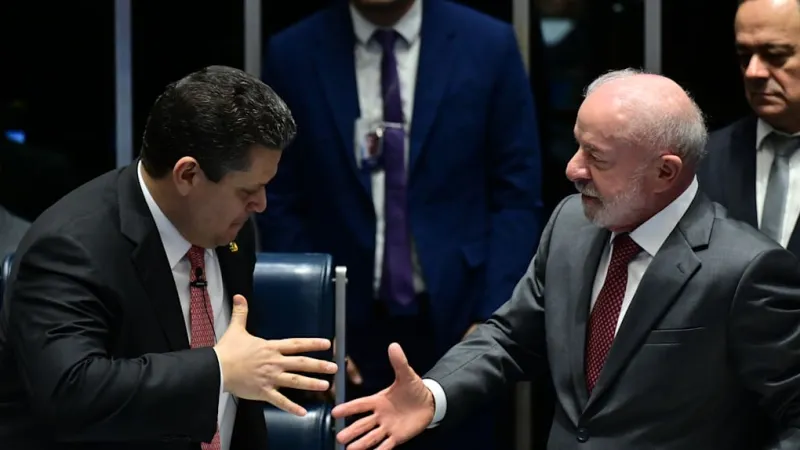
BRASILIA - Brazilian President Luiz Inacio Lula da Silva has signaled a profound shift in political strategy, extending an olive branch to the nation's conservative congressional majority immediately following a contentious election campaign. This unexpected embrace of ideological rivals underscores a pragmatic pivot, with Lula publicizing his intent to forge a collaborative path forward and usher in what he anticipates will be his most effective presidential term to date. The move, coming swiftly after the electoral fervor, positions the seasoned leader as an arch-pragmatist poised to navigate Brazil's complex political landscape through cooperation rather than confrontation.
The recent election campaign was notably marked by intense ideological polarization. Lula's Workers Party (PT) frequently employed stark, divisive labels for conservative opponents, highlighting deep rifts within the Brazilian electorate and its political establishment. This past rhetoric makes his current overture to the conservative majority particularly striking and indicative of a strategic recalculation.
His rapid reversal from campaign rhetoric to a stance of overt cooperation highlights the imperative of legislative functionality in Brazil's fragmented political system. No president can govern effectively without fostering a working relationship with Congress, a reality that often transcends ideological purity in the pursuit of national progress.
Analysts suggest this move is less about a sudden ideological alignment and more about the practical exigencies of governance. Lula aims to circumvent legislative gridlock, a recurrent impediment that has plagued numerous previous administrations and stalled critical reforms vital for Brazil's development.
This is not the first instance of Lula demonstrating political adaptability. During his previous mandates, he was renowned for constructing broad coalitions and making strategic concessions to secure legislative victories. This often involved balancing his progressive social policies with market-friendly economic measures, showcasing a hallmark of his political career.
The conservative bloc holds substantial influence in both the Chamber of Deputies and the Senate, making their cooperation indispensable for the passage of essential budgets, social programs, and economic legislation. Ignoring this political reality would almost certainly guarantee a period of governmental stalemate and limited policy impact.
A key driver for this pragmatic approach could be Brazil's pressing economic challenges. Issues such as persistent inflation, high unemployment rates, and the imperative for fiscal stability demand concerted and efficient action. A unified legislative front could facilitate quicker and more decisive responses to these formidable economic headwinds.
While extending an offer of cooperation, Lula will likely endeavor to maintain momentum on his core social agenda. This includes initiatives focused on poverty reduction, environmental protection, and enhancing public health services. The forthcoming challenge will involve identifying common ground with a predominantly conservative legislative body on these ideologically sensitive issues.
Should this strategy prove successful, it could herald a more stable political environment, which is often a prerequisite for attracting foreign investment and bolstering business confidence. It also holds the potential to temper the extreme polarization that has characterized Brazilian politics in recent years, fostering a more constructive dialogue.
However, skepticism persists among some progressive allies who express apprehension that this outreach might dilute Lula's mandate or compromise his foundational principles. The conservative faction, too, may approach the offer with a degree of caution, carefully testing the sincerity and boundaries of the proposed cooperation.
Brazilian politics possesses a rich history of transactional alliances, where ideological purity frequently yields to the practical demands of power and effective governance. Lula, a veteran politician with decades of experience, understands these complex dynamics intimately.
The public will undoubtedly monitor how this newfound cooperation translates into tangible results. Voters, often fatigued by persistent political infighting, may well welcome a period of greater legislative harmony, provided it demonstrably delivers on promises of improved living standards and national advancement.
Brazil's political stability and economic trajectory exert significant influence across the Latin American region. A more unified and functional government could project an image of reliability and strength on the international stage, enhancing its diplomatic and economic leverage.
Upcoming legislative battles pertaining to fiscal reform, environmental regulations, and indigenous rights will serve as critical early tests of this pragmatic alliance. The capacity for constructive compromise on these highly sensitive issues will largely define the ultimate success and longevity of Lula's revised political strategy.
Ultimately, Lula's declaration of an impending 'best term' suggests a leader supremely confident in his ability to bridge existing divides and deliver substantial progress. This vision leverages his considerable political capital and extensive experience for the broader benefit of the Brazilian nation.