Chandra Wijayanto
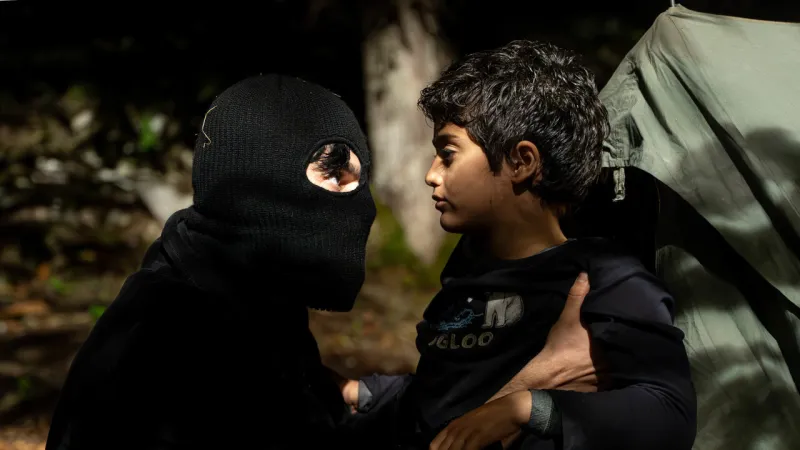
ROME – A poignant new docuseries, “177 Days. The Kidnapping of Farouk,” premiered at the esteemed Rome Film Festival, bringing to light the deeply personal and traumatic experience of Farouk Kassam. Kassam himself affirmed the series serves as a crucial mechanism for his healing, stating, “the series about my kidnapping is an aid in dealing with the trauma.” This anticipated production is slated for a national broadcast on Rai 1, Italy’s flagship public television channel.
The series delves into the harrowing 177-day ordeal of Kassam’s abduction, an event that gripped the nation years ago. By revisiting the circumstances and emotional impact of his captivity, the production aims to offer viewers an intimate understanding of a survivor’s journey through profound distress and resilience.
The Rome Film Festival provided a fitting platform for the premiere, allowing critics, journalists, and the public to engage with the sensitive subject matter in a dedicated cinematic environment. The festival frequently hosts compelling narratives that explore human endurance, much like the docufilm on footballer Bove's resilience that also premiered there, sparking considerable debate and discussion.
Farouk Kassam’s willingness to participate and openly discuss his experience underscores a remarkable courage. For many survivors of such intense psychological trauma, revisiting the past can be an excruciating process, yet Kassam views it as a necessary step toward reconciliation with his own history.
The production by Rai 1 signifies the public broadcaster's commitment to shedding light on significant national events and their human toll. Such programming not only educates the populace but also initiates broader conversations about crime, victim support, and the long-term effects of violence.
The Inverted Pyramid structure employed in the narrative of the series itself likely focuses on the most impactful aspects of the kidnapping first, gradually revealing further details and emotional layers. This approach aligns with journalistic principles, ensuring the core story is conveyed immediately while providing depth.
Psychological experts often highlight the therapeutic potential of narrative recounting for trauma survivors. By externalizing their experiences through storytelling, individuals can process their memories, gain new perspectives, and find a sense of agency over events that once left them feeling powerless.
Kassam's journey, as portrayed in “177 Days,” serves as a powerful testament to the human spirit's capacity for survival and the ongoing quest for peace in the aftermath of extreme adversity. The series promises to be more than a historical recount; it is a personal odyssey toward self-acceptance and understanding.
The public reception of such a series will be crucial. It is expected to reignite national memory surrounding the kidnapping while also fostering empathy and understanding for those who have endured similar experiences. Rai 1's reach ensures a wide audience will engage with this important narrative.
The docuseries stands as a stark reminder of the lasting scars left by criminal acts and the arduous, often lifelong, process of healing. Farouk Kassam’s decision to share his story through this medium offers not only personal solace but also an invaluable educational resource for society as a whole.