 Debby Wijaya

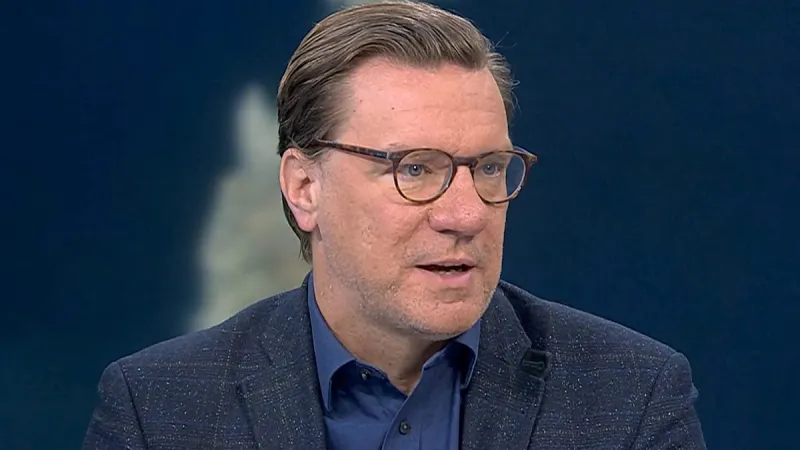
A persistent disparity in labor force participation sees women consistently working fewer hours than men, even as they express a desire for increased employment, according to economist Miriam Beblo. This imbalance persists despite the prevalence of part-time work options and expanded childcare services, highlighting that legal frameworks alone are proving insufficient to fundamentally alter ingrained gender roles.
Beblo emphasizes that traditional explanations, such as the period of parental leave, fail to fully account for the observed disparity. Her analysis suggests that while parental leave is a crucial component of family policy, it is not the sole, nor even the primary, driver behind women often working less than their male counterparts over their lifetimes.
Women frequently find themselves in a societal conundrum: equipped with education and professional aspirations, they often encounter invisible barriers that prevent them from fully realizing their career potential. This often translates into fewer hours, lower pay, and slower career progression compared to men, even when their qualifications are equal.
Significant policy efforts have been directed at mitigating these disparities. The expansion of childcare facilities and the promotion of flexible, part-time employment models were envisioned to empower women to balance professional commitments with family responsibilities. While these initiatives have offered some relief, the underlying structural issues remain largely unaddressed.
The core challenge, as Beblo identifies, lies in the deeply embedded societal gender roles that influence expectations within families, workplaces, and the broader community. These roles often assign primary caregiving responsibilities to women, irrespective of their professional ambitions or partners capabilities, creating an unequal distribution of domestic labor.
This entrenched division impacts not only individual women but also the broader economy. A substantial gender work gap leads to underutilized talent, reduced overall productivity, and a significant economic cost due to lost potential. It also exacerbates the gender pay gap and can lead to women facing greater financial insecurity later in life.
Research indicates that even when women return to the workforce after parental leave, they often confront a phenomenon known as the motherhood penalty, facing biases in hiring, promotion, and remuneration. Conversely, men frequently experience a fatherhood bonus, where parenthood is perceived as an asset in their careers.
Addressing this complex issue necessitates a multi-faceted approach that extends beyond mere legislative amendments. It requires a fundamental cultural shift in perceptions of gender roles, both at home and in the workplace, challenging established norms and expectations.
Employers have a critical role to play by fostering truly equitable work environments. This includes offering genuine flexibility for all employees, encouraging men to take parental leave, and actively combating unconscious biases in hiring and promotion processes. Creating a culture that values output over presenteeism can also significantly contribute.
The involvement of men in domestic and caregiving responsibilities is equally paramount. A more equitable distribution of these duties alleviates the burden on women and allows them greater freedom to pursue their professional goals. This shift requires conscious effort and commitment from individuals and societal encouragement.
Ultimately, achieving genuine gender equality in the workforce demands a concerted effort from policymakers, employers, educational institutions, and individuals. Laws can establish a framework, but real change stems from transforming societal attitudes and expectations, ensuring that ambition and talent are valued equally, regardless of gender.
Without this profound cultural re-evaluation, the gender work gap will likely persist, despite the best intentions of legal reforms and the availability of supportive policies. The path to true equality requires more than just legislation; it demands a societal commitment to shared responsibility and equal opportunity.