 Robert Andrison
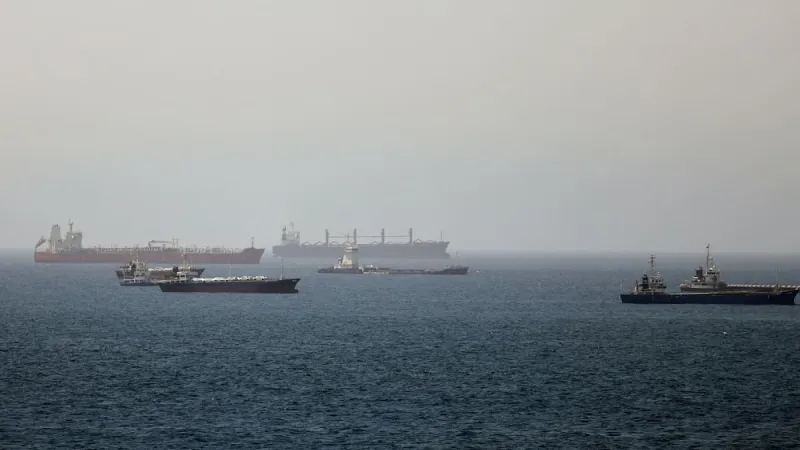
WASHINGTON – The United States and Iran have formally signed a landmark framework agreement, signaling the immediate reopening of the critical Strait of Hormuz and sparking optimism for global economic recovery. This pivotal accord, spearheaded by President Donald Trump, is expected to positively influence international trade flows, particularly bolstering the German economy, according to leading economic analysts.
The strategic waterway, a vital choke point for a substantial portion of the world's oil supply, had faced disruptions, impacting international shipping and contributing to market volatility. Its restoration to full operation marks a significant de-escalation of regional tensions and a boon for energy security worldwide.
Timo Wollmershaeuser, the ifo Institute's economic chief, affirmed the positive outlook during an interview with Dietmar Deffner. "This will have a positive impact on the German economy," Wollmershaeuser stated, underscoring the ripple effect of stable global supply chains on European industrial powerhouses.
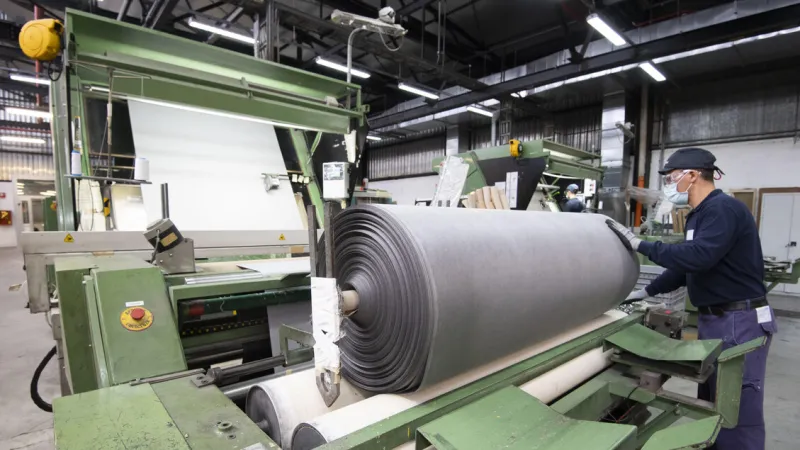
The German economy, heavily reliant on exports and robust international trade, is particularly sensitive to disruptions in key maritime passages like the Strait of Hormuz. The renewed accessibility is anticipated to ease logistical bottlenecks and reduce shipping costs, directly benefiting German industries and consumers.
Wollmershaeuser further expressed confidence in the short-term resolution of lingering issues. "By the end of the year, the biggest problems should be resolved again," he predicted, pointing to the comprehensive nature of the US-Iran accord in addressing underlying impediments to smooth trade.
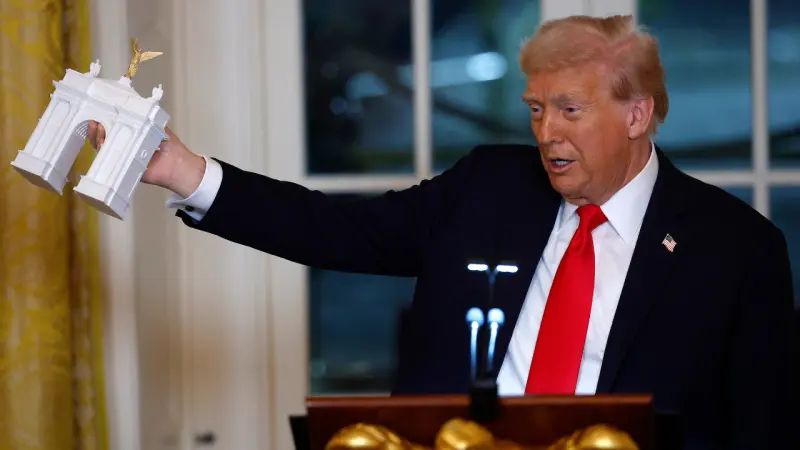
The agreement represents a diplomatic triumph for President Trump, building on prior efforts to foster stability in the Middle East. President Trump has been actively engaged in seeking resolutions for regional challenges, as seen with initiatives like the G7 Summit peace accords. You can learn more about these diplomatic breakthroughs by reading related articles such as President Trump Forges Historic Middle East Peace Accord at G7 Summit and Trump Electronically Seals Iran Peace Accord After Versailles Talks.
For years, the Strait of Hormuz has been a focal point of geopolitical tensions, with its occasional closure or threats of closure sending shockwaves through global energy markets. The current agreement seeks to establish a more stable framework for maritime passage, ensuring predictability for international commerce.
Economists broadly agree that predictable access through the Strait of Hormuz is paramount for sustaining global economic growth. The region accounts for roughly one-fifth of the world's total petroleum consumption, making any disruption a severe threat to global energy security and prices.
The immediate impact is expected to be felt in commodity markets, with oil prices potentially stabilizing as supply concerns diminish. Shipping insurers and logistics companies will also likely see reduced risk premiums, further contributing to lower operational costs for businesses worldwide.
The framework agreement is believed to include provisions for sustained dialogue and mechanisms to prevent future disruptions, fostering an environment of cooperation rather than confrontation. Details of these provisions are still emerging, but the initial response from international observers has been overwhelmingly positive.
Analysts are now closely monitoring how quickly the practical effects of the reopening will materialize across global supply chains. The swiftness with which goods and energy can move through this critical corridor will dictate the pace of the broader economic uplift.
The reopening of the Strait of Hormuz stands as a testament to persistent diplomatic efforts, offering tangible relief to an interconnected global economy that has navigated numerous challenges in recent years. It signals a renewed commitment to open trade routes and international collaboration.