 Dodi Irawan
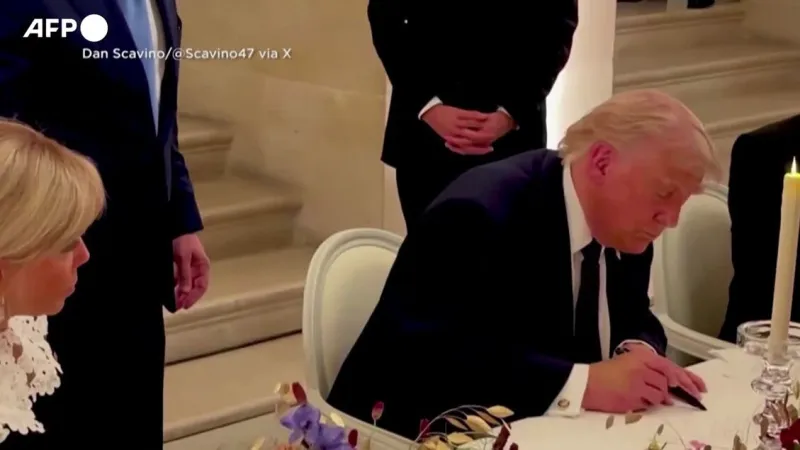
VERSAILLES – President Donald Trump signed a historic accord aimed at ending the protracted conflict in the Middle East on Sunday, culminating intense negotiations at the G7 summit held in France. The landmark decision was formalized during a high-stakes dinner at the majestic Palace of Versailles, marking a significant diplomatic triumph on the global stage.
The agreement signals a concerted effort by world leaders to de-escalate tensions and foster a new era of stability in a region long plagued by strife. Coming at the conclusion of critical multilateral discussions, the accord underscores the G7 nations determination to address pressing geopolitical challenges.
The opulent setting of the Palace of Versailles, a symbol of French history and international diplomacy, provided a fitting backdrop for such a momentous occasion. Leaders from the worlds most industrialized democracies gathered not only to discuss economic policy but also to broker peace in one of the globe's most volatile areas.
President Trump, whose administration has consistently prioritized international agreements and a strong American leadership presence, played a central role in bringing the parties to the negotiating table. Earlier in the summit, the President had asserted his leadership, signaling an assertive stance on global issues that proved instrumental in shaping the final agreement. For more on President Trumps summit declarations, see President Trump Declares I Am the Boss at G7 Summit.
While specific details of the Middle East Peace Accord remain under wraps pending official announcements, sources close to the negotiations indicate a framework designed to halt active hostilities, establish channels for dialogue, and lay the groundwork for long-term reconciliation. The accord aims to secure a more prosperous and peaceful future for all nations involved.
The signing occurred during a formal dinner, a tradition often used for crucial diplomatic exchanges at such high-level gatherings. This intimate setting allowed for final refinements and personal commitments from the leaders involved, solidifying the pledges made over days of intricate talks.
Initial reactions from diplomatic circles suggest cautious optimism. Experts believe the accord represents a critical first step, though significant challenges will undoubtedly arise during its implementation. The global community now watches eagerly for the tangible impacts of this ambitious diplomatic endeavor.
The concept of a comprehensive Middle East Peace Accord has been a cornerstone of international policy for decades, with various administrations attempting to broker lasting peace. This latest agreement, secured under the watchful eyes of the G7, carries the weight of collective international will.
Questions surrounding compliance and enforcement remain paramount. President Trump had previously stated that any Iran deal hinges on compliance or new bombs, indicating the seriousness with which his administration views adherence to international agreements. This sentiment likely extends to the newly signed Middle East accord, emphasizing the need for robust verification mechanisms. For further context on this, refer to Trump: G7 a Success, Iran Deal Hinges on Compliance or New Bombs.
The electronic sealing of a related Iran protocol following Versailles talks also highlighted the modern approach to diplomatic formalization, suggesting a swift and secure method for confirming agreements in the digital age. This follows earlier reports such as Iran Confirms Electronically Signed Protocol After Trump-Macron Versailles Talks.
The successful conclusion of this agreement at the G7 summit further cements the groups enduring relevance in shaping global policy. The G7 continues to serve as a vital forum for addressing complex international issues, as highlighted in analyses like G7s Enduring Relevance: Still Shaping Global Policy in 2026.
Observers expect a period of intense diplomatic activity to follow as nations begin to navigate the provisions of the Middle East Peace Accord. The world waits to see how this ambitious blueprint for peace will reshape the geopolitical landscape.