 Demian Sahputra
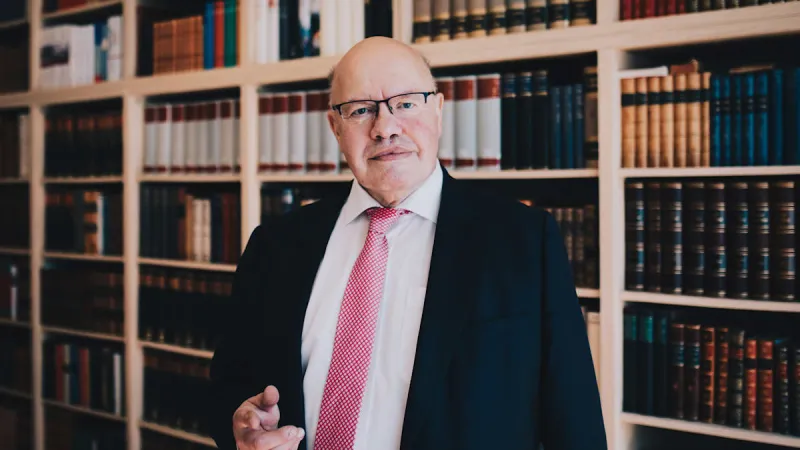
BERLIN – Peter Altmaier, a prominent figure within Germany's Christian Democratic Union (CDU), recently addressed the critical process of selecting a successor for the party's parliamentary group leadership, following Jens Spahn's unexpected resignation. Altmaier articulated the necessity of a clear roadmap for this crucial transition, underscoring practical experience as a paramount attribute for the challenging role.
Spahn's departure from the parliamentary group leadership position created a significant void, prompting immediate discussions about the future direction and stability of the CDU in the Bundestag. His resignation has inevitably intensified scrutiny on the party's internal dynamics and its broader political strategy as 2026 progresses.
Speaking on the qualities required for effective leadership, Altmaier offered a nuanced perspective on the attributes prospective candidates should possess. He asserted that a successful leader needs more than just a resume filled with high-ranking ministerial or state secretary posts.
Altmaier directly stated, "One does not have to have been a minister or state secretary, but it is always good if, in the area where one has responsibility, one also knows where the landmines lie." This statement highlights a preference for candidates who possess an intimate understanding of the political landscape and the potential pitfalls inherent in parliamentary work.
The analogy of "landmines" suggests a demand for leaders who are not merely theoretically astute but are also practically versed in navigating complex political challenges, internal party factionalism, and external pressures. Such an individual would be expected to foresee problems and guide the parliamentary group away from controversy.
This emphasis on practical acumen is particularly relevant for the parliamentary group leader, a position that requires not only legislative expertise but also exceptional communication and consensus-building skills. The leader acts as the primary interface between the party's executive and its legislative arm, shaping policy and maintaining party cohesion.
Germany, currently navigating a dynamic political environment, requires stable and decisive leadership across its major parties. The CDU, as a historically dominant force, faces the ongoing task of adapting its platform and appeal to an evolving electorate, making the selection of its parliamentary group leader all the more critical.
Altmaier's comments reflect a deep institutional knowledge of the CDU's internal workings and its leadership selection processes. His long tenure in various capacities within the party and government lends considerable weight to his pronouncements on succession.
The process of choosing Spahn's successor will likely involve careful consideration of potential candidates who can unite different wings of the party and present a strong, coherent front. The individual selected will play a pivotal role in articulating the CDU's legislative agenda and holding the governing coalition accountable.
The "clear roadmap" Altmaier referenced suggests that the party is not reacting haphazardly but is instead committed to a structured approach for this leadership transition. This methodical process aims to ensure that the chosen leader is well-equipped to guide the parliamentary group through future legislative sessions and political challenges.
Ultimately, the individual stepping into this leadership position will bear significant responsibility for the CDU's parliamentary performance and its public image. Altmaier's insights underscore the party's commitment to finding a leader who embodies both political savvy and a profound understanding of the practicalities of governance.