 Demian Sahputra
Violent confrontations erupted in Budapest on the eve of the highly anticipated Champions League final, as supporters of English club Arsenal and French powerhouse Paris Saint-Germain clashed, prompting a massive police response across the city and elsewhere.
The widespread unrest unfolded Friday night, hours before the two European football giants were scheduled to compete for the continent's most coveted club trophy. Authorities confirmed significant deployments of law enforcement personnel, not only within the Hungarian capital but also in surrounding areas to manage the escalating tensions.
Eyewitness accounts described scenes of chaos, with groups of fans engaging in skirmishes in various public spaces, including near popular tourist spots and transport hubs. The precise catalyst for the violence remained unclear late Friday, but the intensity of the rivalry between the two clubs and the high stakes of the final likely contributed to the volatile atmosphere.
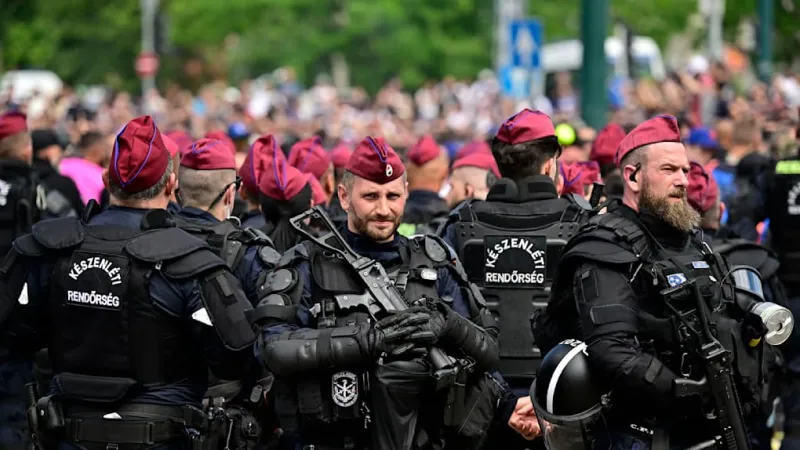
Hungarian police forces were seen deploying in riot gear, establishing cordons, and attempting to disperse aggressive crowds. Local media reported multiple arrests, though official figures were not immediately released by police spokespersons. The situation underscored the persistent challenge of managing large international sporting events.
Fan violence has long been a dark stain on the otherwise vibrant spectacle of European football. Major tournaments and high-profile matches frequently become flashpoints for clashes between rival supporters, often leading to injuries, property damage, and significant disruption for host cities.
This incident casts a pall over Budapest's role as the host city for the Champions League final, an event typically celebrated for its prestige and economic benefits. Preparations for the match itself, however, were reportedly proceeding as planned, with stadium security measures already at their highest levels.
Both Arsenal and Paris Saint-Germain have significant fan bases known for their passionate support, which can sometimes spill over into aggressive behavior. Club officials had previously issued calls for peaceful conduct, urging supporters to represent their teams with dignity.
The Champions League final itself is one of the most watched sporting events globally, attracting millions of viewers and thousands of traveling fans. The incident in Budapest serves as a stark reminder of the complexities involved in ensuring public safety during such large-scale international gatherings.
Investigations into the incidents are expected to be launched by Hungarian authorities, potentially involving cooperation with police forces from the United Kingdom and France. Such inquiries typically aim to identify perpetrators and assess the effectiveness of pre-emptive security measures.
The events in Budapest will undoubtedly prompt further scrutiny of security protocols for future major sporting events, especially those involving clubs with histories of intense rivalry. Football governing bodies frequently review their strategies for mitigating crowd trouble to protect both fans and the integrity of the sport.
Local businesses and residents expressed concern over the disturbances, which disrupted the ordinarily calm atmosphere of the capital on a busy weekend. The influx of fans, while economically beneficial, also presents logistical and security hurdles that cities must navigate.
Authorities had anticipated a significant presence of supporters from both clubs, many of whom traveled without tickets but aimed to experience the final atmosphere in the city. This category of fans often poses additional challenges for crowd control.