 Robert Andrison
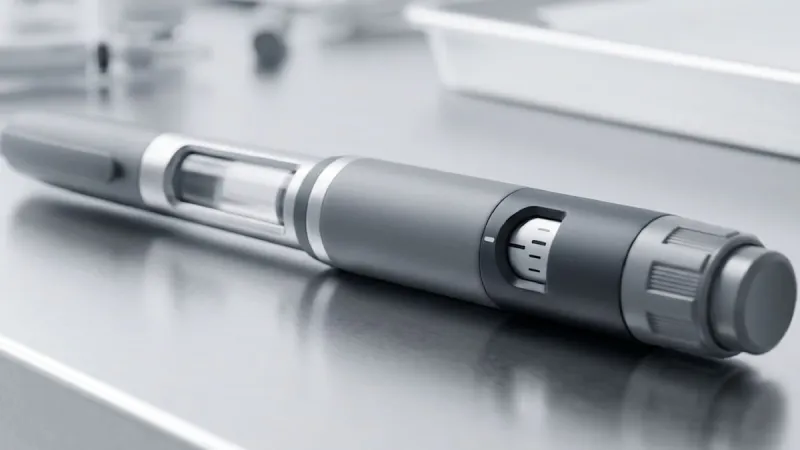
LONDON – A 19-year-old American university student has tragically died in London after reportedly using a weight-loss injection, sparking immediate concerns among health officials. The young woman, whose identity has not been publicly released, suffered severe bouts of nausea and vomiting shortly before her death, symptoms that may have critically disrupted her metabolic balance.
Authorities are currently investigating the precise circumstances surrounding the student's demise. While details remain sparse, initial reports indicate a direct link between her use of the weight-loss substance and the sudden onset of severe health complications.
This tragic incident underscores the growing peril associated with the burgeoning market for cosmetic weight-loss treatments, particularly those acquired outside conventional medical supervision. Experts caution against the use of unregulated or improperly prescribed substances that promise rapid results without adequate health oversight.
The widespread availability of such injections, often promoted aggressively on social media platforms, has fueled a dangerous trend among young individuals seeking quick solutions for body image concerns. Many of these products bypass stringent regulatory checks, leaving users vulnerable to severe side effects.
Medical professionals emphasize that legitimate weight-loss medications, such as GLP-1 agonists, are prescribed under strict medical guidance for specific conditions like obesity or type 2 diabetes. Their use requires careful monitoring due to potential side effects ranging from gastrointestinal distress to more serious complications.
The student's complaints of extreme nausea and vomiting are consistent with some known adverse reactions to certain weight-loss drugs, especially when dosage is incorrect or the substance is counterfeit. A disrupted metabolism can lead to a cascade of life-threatening health issues.
Investigators are expected to examine the source of the injection, whether it was prescribed, purchased illicitly, or administered by an unqualified practitioner. This aspect is crucial for understanding the wider implications for public health and safety.
The incident serves as a stark reminder of the importance of consulting qualified healthcare providers before embarking on any weight-loss regimen, particularly those involving powerful pharmaceutical agents. Self-medication or reliance on unverified sources carries significant and sometimes fatal risks.
Public health bodies in both the United Kingdom and the United States have consistently issued warnings regarding the dangers of counterfeit drugs and the unregulated aesthetics industry. These warnings highlight the potential for impure ingredients, incorrect dosages, and improper administration techniques.
As the investigation proceeds, the case is likely to reignite debates about the regulation of cosmetic procedures and the ethical responsibilities of online platforms that facilitate the promotion and sale of potentially dangerous substances. The emphasis on body positivity and healthy lifestyle choices over risky quick fixes remains paramount.