Angel Doris
SEOUL, November 3, 2026 — Asia's premier men's football tournament, the Asian Cup, faces an indefinite postponement, officials confirmed today, as mounting security concerns linked to recent attacks on Saudi Arabian territory forced a reluctant decision by the Asian Football Confederation. The continent-wide event was slated to take place in Saudi Arabia, which now confronts a significant challenge to its hosting capabilities amid escalating regional instability.
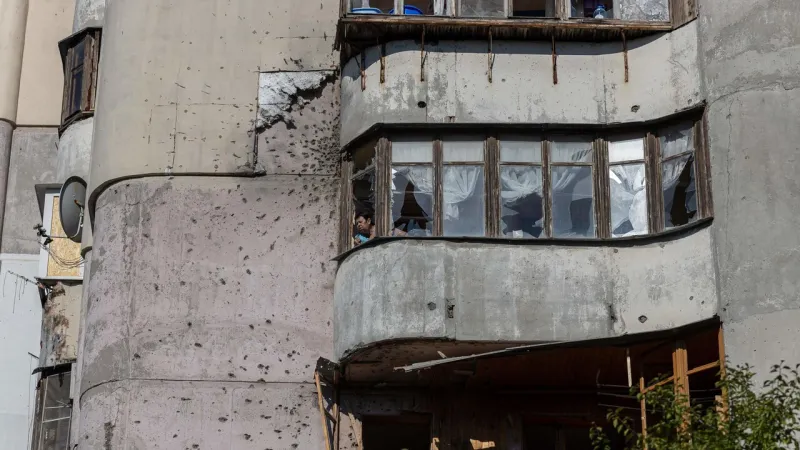
The specific nature and perpetrators of the attacks remain officially undisclosed by Saudi authorities and the AFC, though regional analysts point to an ongoing pattern of drone and missile incursions that have targeted critical infrastructure and populated areas in the Kingdom. These incidents have intensified concerns regarding the safety of participants and spectators alike, prompting the AFC to prioritize security over schedule.
An AFC statement released from its Kuala Lumpur headquarters expressed profound regret over the decision but underscored the paramount importance of participant welfare. "The safety and security of our players, officials, and fans are non-negotiable," read the statement. "While we deeply regret any inconvenience caused, we cannot proceed with the tournament under the current threat assessment in the host nation." The confederation affirmed its commitment to finding an appropriate new timeframe and venue.
For the national teams that had already commenced rigorous preparations, the postponement creates an immediate logistical quandary. Players, coaches, and support staff had meticulously planned training regimes and travel arrangements, all of which now require urgent reassessment. Many federations will face significant financial strain and disruption to their domestic league calendars as they adapt to the unexpected hiatus.
The economic repercussions extend beyond the immediate participating nations. Saudi Arabia had invested substantially in infrastructure upgrades and promotional campaigns, envisioning the Asian Cup as a cornerstone event to showcase its burgeoning sports tourism ambitions. The delay will inevitably lead to considerable financial losses from ticketing, hospitality, and sponsorship revenues, impacting both the host nation and the AFC's operational budget.
Finding an alternative window for the tournament presents a formidable challenge for the AFC. The global football calendar is densely packed, with major international competitions and domestic leagues offering little flexibility. Potential new hosts would also need to demonstrate robust security guarantees and adequate facilities on short notice, further complicating the search for a viable solution.
The incident casts a long shadow over the broader trend of major sporting events being staged in the Middle East. While nations like Qatar have successfully hosted global spectacles, the Saudi Arabian situation highlights the persistent geopolitical volatilities that can swiftly derail even the most meticulously planned international gatherings. This development contributes to a perception of global upheaval, impacting not just sports but wider economic and diplomatic engagements.
This setback represents a considerable blow to Saudi Arabia's ambitious Vision 2030, a blueprint aimed at diversifying its economy and enhancing its global standing, with sports and tourism playing pivotal roles. The Kingdom has aggressively pursued mega-events, from Formula 1 races to boxing championships, making this football tournament postponement a notable dent in its strategic objectives.
Historically, international sporting events have occasionally fallen victim to political or security crises, from boycotts during the Cold War era to postponements due to pandemics. The current situation underscores the evolving nature of threats that organizers must contend with, moving beyond traditional security concerns to encompass regional geopolitical instability.
In SEOUL, where Yonhap News Agency first reported the development, football enthusiasts and officials alike expressed disappointment but acknowledged the gravity of the decision. South Korea, a perennial contender in the Asian Cup, will now adjust its national team preparations, awaiting clarity on the tournament's future.
As the AFC deliberates its next steps, the focus remains on ensuring a safe and successful resumption of the tournament at a later date. The Asian Cup postponement serves as a stark reminder of how geopolitical realities can directly intersect with the world of sports, forcing difficult choices that ripple across continents.