 Debby Wijaya
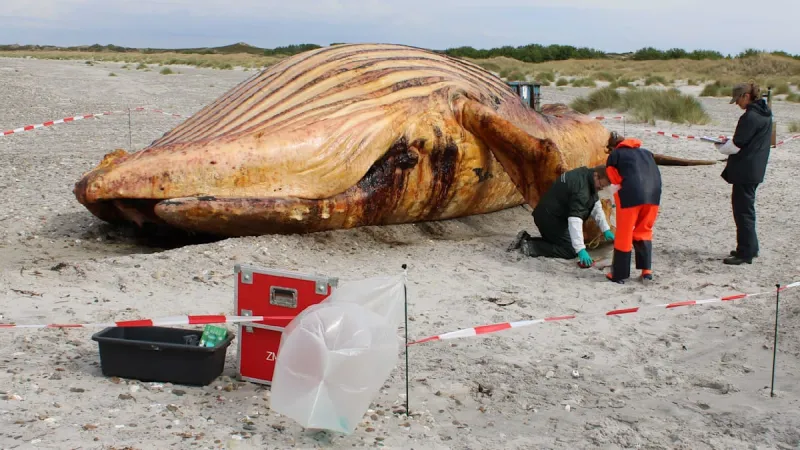
An extensive autopsy on a recently stranded humpback whale has yielded critical insights into its cause of death, revealing significant evidence of human impact. Net remnants were discovered within the marine mammal's digestive system, suggesting a tragic entanglement or ingestion incident.
The detailed examination, conducted by a team of marine biologists and veterinary pathologists, aimed to unravel the mystery surrounding the whale's premature end. Such investigations are crucial for understanding broader ecological health and the threats facing endangered species, especially in a year like 2026 where environmental concerns remain paramount.
The presence of fishing net fragments, a clear indicator of anthropogenic pollution, was a pivotal finding. These discarded materials, often referred to as ghost gear, can cause severe internal injuries, block digestive tracts, or lead to slow starvation, ultimately proving fatal for large marine creatures.
Marine biologist Fabian Ritter, actively involved in the ongoing assessment, emphasized the inherent complexity of such cases. "It will be a puzzle of many parts," Ritter stated, highlighting the meticulous process required to ascertain the exact sequence of events leading to the whale's demise and to differentiate between contributing factors.
This incident adds to a growing global narrative of marine life suffering profoundly from plastic and fishing gear pollution. Ghost fishing gear, frequently abandoned or lost at sea, continues to ensnare and kill countless marine animals, from small fish to majestic whales, posing a persistent threat to biodiversity.
The death of this humpback whale serves as a stark reminder of the pervasive issue of ocean pollution, which threatens not only individual animals but also the intricate balance of entire marine ecosystems. Conservationists worldwide frequently advocate for stricter regulations and improved waste management practices to mitigate these environmental dangers.
Humpback whales, recognized for their majestic migratory patterns and complex vocalizations, are protected under international conservation laws. Despite these protections, they remain alarmingly vulnerable to various human-induced threats, including ship strikes, ocean noise pollution, and, critically, habitat degradation and entanglement in debris.
Determining whether the net remnants were a direct cause of death or a significant contributing factor requires careful analysis of tissue samples and digestive contents. Pathologists often look for specific signs of malnutrition, infection, or acute trauma directly associated with the presence of foreign objects.
Efforts to prevent such devastating tragedies include promoting the development and adoption of biodegradable fishing gear, implementing better tracking systems for commercial fishing vessels, and organizing widespread volunteer clean-up initiatives for coastal areas and ocean depths. Public awareness campaigns also play a vital role in fostering responsible practices.
The scientific findings from this autopsy will undoubtedly contribute to a wider global understanding of how marine pollution specifically impacts cetaceans. They reinforce the urgent need for international cooperation and sustained, collaborative efforts to protect vulnerable marine ecosystems from escalating human-made hazards.
Researchers will likely continue to analyze the specific type of net material discovered and investigate its potential origin. This detailed information can provide crucial data for developing more targeted conservation strategies and informing policy decisions aimed at reducing marine debris. Every such incident, while somber, offers invaluable lessons for environmental protection.