 Demian Sahputra
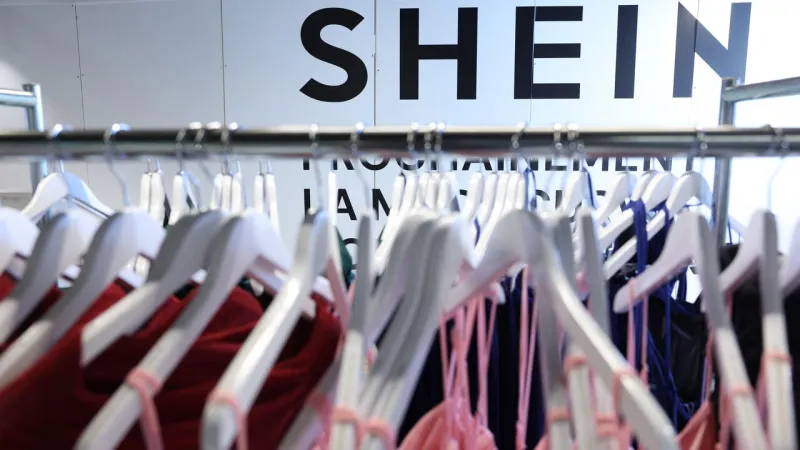
The global retail sector fixates on the imminent initial public offering (IPO) of Shein, the enigmatic Chinese fast fashion colossal, as it prepares to enter the public markets. This pivotal move, anticipated to materialize in 2026, promises to unlock substantial capital for expansion while subjecting the notoriously private company to unprecedented scrutiny regarding its lightning-fast supply chain, vast product catalog, and rock-bottom prices. The decision on where to list, potentially New York or London, remains a key strategic consideration.
Shein has revolutionized the fashion industry through an on-demand manufacturing model that allows it to design, produce, and ship garments within weeks, often days, responding almost instantaneously to emerging trends. This agile approach, powered by sophisticated data analytics and a direct-to-consumer digital platform, enables the company to test new styles with small batches and rapidly scale production for popular items. This speed provides a distinct competitive edge over traditional retailers.
The company's meteoric rise has made it a dominant force in online fashion, particularly among younger demographics. Its immense catalog, reportedly adding thousands of new items daily, and aggressive marketing through social media influencers have fostered a cult-like following. Consumers are drawn to the sheer variety and affordability, which allows them to constantly refresh their wardrobes without significant financial outlay.
However, Shein's success is intertwined with significant controversy. Critics consistently raise alarms about its labor practices, with accusations of exploitative working conditions and insufficient transparency within its vast supply chain. International non-governmental organizations and media investigations have repeatedly highlighted concerns over worker safety and compensation, casting a shadow over its business model.
Environmental advocacy groups also heavily criticize Shein for its substantial ecological footprint. The rapid production cycle inherently encourages disposable fashion, exacerbating textile waste and increasing carbon emissions. The sheer volume of low-cost items produced and subsequently discarded poses a formidable challenge to sustainability efforts within the global fashion industry.
Furthermore, Shein faces numerous allegations of intellectual property infringement. Independent designers and established brands have repeatedly accused the company of replicating their designs without permission, leading to lawsuits and reputational damage. This issue underscores broader challenges in enforcing design protections within the fast-paced online retail environment.
Despite these considerable hurdles, investors are keenly eyeing the Shein IPO due to its formidable revenue growth and market penetration. Analysts estimate a valuation that could reach tens of billions of dollars, reflecting confidence in its operational efficiency and its proven ability to capture and retain a massive global customer base. The prospect of tapping into this growth trajectory outweighs the associated risks for many potential shareholders.
The choice of listing venue holds strategic importance. While a New York listing offers access to deep capital markets, it also entails stringent regulatory oversight and potential geopolitical complexities given Shein's Chinese origins. A listing in London or other European financial hubs might present a more palatable alternative, balancing access to capital with differing regulatory environments.
A successful Shein IPO would undoubtedly send ripple effects across the entire retail landscape. It would validate the ultra-fast fashion model, compelling competitors to reassess their supply chains and digital strategies. Traditional retailers already struggling to adapt to changing consumer behaviors would face intensified pressure to innovate or risk further market share erosion.
For consumers, the IPO will not immediately alter the purchasing experience, but increased public scrutiny may push Shein to address its ethical and environmental shortcomings more proactively. Shareholders will demand greater transparency, potentially influencing corporate policies on labor standards, material sourcing, and waste reduction initiatives.
Ultimately, the Shein IPO represents a watershed moment for the fast fashion sector. It will test the market's appetite for high-growth, high-controversy companies and determine if its disruptive business model can withstand the rigors of public accountability. The outcome will shape not only Shein's future but also the trajectory of responsible consumption and production within the global apparel industry for years to come.