 Chris Robert
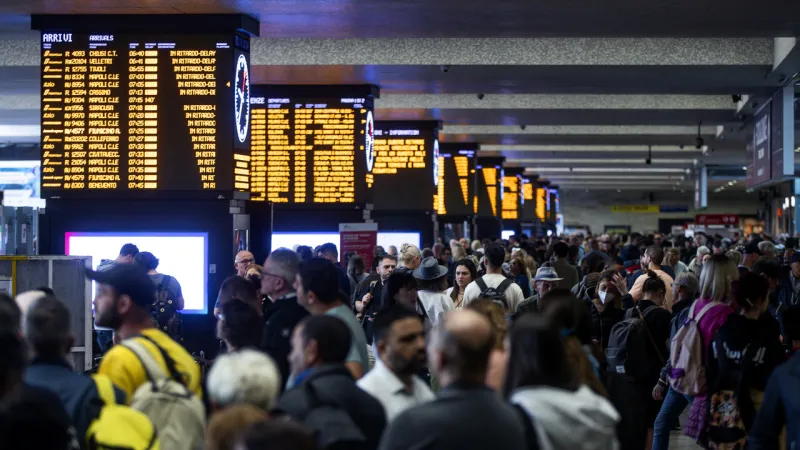
Rome Termini experienced widespread travel paralysis in October 2024, prompting Italy's Transport Regulation Authority (ART) to levy a substantial 1.75 million euro fine against Rete Ferroviaria Italiana (RFI). The punitive measure addresses RFI's alleged failures in infrastructure management and its insufficient response to a critical track fault, colloquially referred to as il chiodo, which crippled train services for countless passengers.
The Autorità di Regolazione dei Trasporti, the independent body overseeing transport markets, announced its decision following a thorough investigation into the events of late 2024. Passengers faced prolonged delays, cancellations, and significant inconvenience, particularly affecting commuters and long-distance travelers passing through one of Italy's busiest railway hubs.
ART's inquiry focused on the root causes of the widespread disruption and RFI's protocols for preventing and mitigating such incidents. The authority concluded that RFI, as the national railway infrastructure manager, bore responsibility for the operational failures that exacerbated the initial technical problem.
The core of the problem originated from a specific defect within the railway network near the capital. While technical issues can arise, ART's assessment highlighted deficiencies in RFI's rapid intervention capabilities and its overall resilience planning. The regulatory body emphasized that the severity and duration of the service interruptions were unacceptable.
For many travelers, the October 2024 incident underscored persistent fragilities within the national rail system, particularly at crucial junctions like Rome Termini. Social media platforms and news outlets were flooded with accounts of frustrated passengers stranded for hours, often with limited information.
RFI, a state-owned company responsible for managing Italy's railway infrastructure, including tracks, stations, and signaling systems, operates a network vital to both national commerce and public mobility. The fine represents a significant financial penalty, reflecting the gravity of the operational shortcomings identified by ART.
The 1.75 million euro sanction serves as a potent reminder of regulatory oversight in critical public services. ART aims to incentivize higher standards of maintenance, quicker response times to infrastructure faults, and improved communication with both service providers and the traveling public.
ART's formal decree detailed the specific infractions, pointing to failures in ensuring the regular and uninterrupted operation of the railway system. The regulatory body has made it clear that such widespread service failures carry tangible consequences for infrastructure operators.
This regulatory action is part of a broader trend by Italian authorities to enhance accountability within public utility sectors. Recent years have seen increased scrutiny of companies managing essential services, from energy distribution to transportation networks, to ensure compliance and consumer protection.
While the immediate impact of the fine is financial for RFI, the long-term objective is to foster improvements in operational reliability and passenger experience across the Italian rail network. Industry observers suggest that this ruling could prompt RFI to review its maintenance schedules, emergency response protocols, and investment in infrastructure upgrades.
The October 2024 events at Rome Termini underscored the cascading effects a single point of failure can have on a complex national system. ART's intervention signals a firm stance against complacency in managing infrastructure critical to millions of daily travelers.
The incident also reignited public debate regarding the modernization of Italy's railway infrastructure. Critics often cite aging components and insufficient investment as contributing factors to periodic service interruptions, while proponents argue for the complexity of maintaining a vast, historical network.
RFI has the opportunity to appeal the fine, though its public statements typically emphasize a commitment to improving service quality and passenger satisfaction. Regardless of any potential appeal, the regulatory body's message about accountability for significant disruptions remains unequivocal.
This decision resonates particularly with passengers who rely on trains for daily commutes and intercity travel, reinforcing the expectation that robust infrastructure management is not merely an operational necessity but a regulatory imperative. The Authority continues to monitor RFI's performance to ensure sustained improvements.