Gabriella
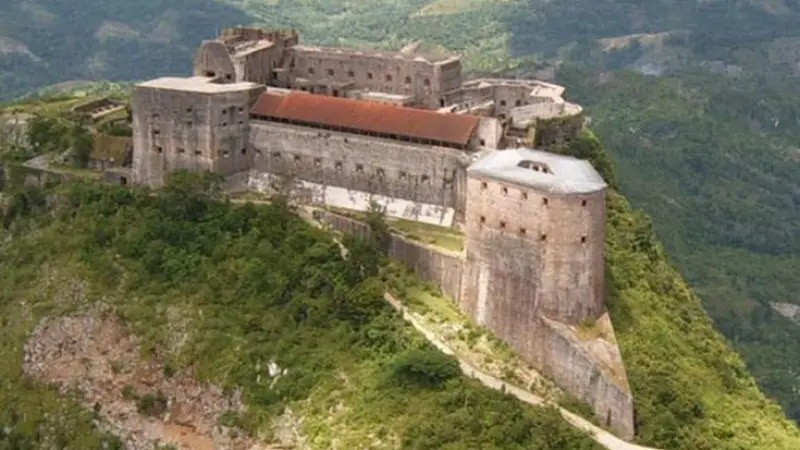
CAP-HAITIEN — A tragic stampede at Haiti’s historic Citadelle Laferriere early Sunday morning resulted in the deaths of at least 30 people and left scores more injured. The calamitous event occurred as thousands gathered for an annual commemoration at the UNESCO World Heritage site, transforming a day of national pride into one of profound grief.
Emergency services were quickly overwhelmed by the sheer scale of the disaster, struggling to navigate the rugged terrain leading to the mountaintop fortress. Haitian authorities confirmed that many of the injured were in critical condition, straining the limited medical facilities in Cap-Haitien and surrounding areas.
The stampede reportedly began in a narrow passage leading to one of the Citadelle’s upper levels, triggered by an unforeseen surge in the densely packed crowd. Eyewitnesses described a sudden wave of panic that swept through the visitors, turning celebration into a desperate struggle for survival.
Jean-Luc Moreau, a survivor with visible bruises, recounted the terrifying moments. “It was chaos,” Moreau stated, his voice trembling. “People were pushing, falling. There was nowhere to go. I saw mothers lose their children in the crush.”
President Laurent Dubois of Haiti addressed the nation, declaring three days of national mourning. He expressed his deepest condolences to the victims families and vowed a thorough investigation into the circumstances that led to the catastrophe. “Our nation weeps tonight,” President Dubois said in a televised address.
International aid organizations, including Doctors Without Borders and the United Nations, have pledged support, dispatching medical teams and supplies to assist the beleaguered Haitian health system. Appeals for blood donations and volunteer assistance have been issued across the country.
The Citadelle Laferriere, an imposing fortress built in the early 19th century after Haiti gained independence, is a potent symbol of Haitian resilience and freedom. It attracts thousands of local and international visitors annually, particularly during national holidays.
Investigators will focus on crowd control measures, structural integrity assessments, and event planning protocols. Questions have already arisen regarding the capacity limits of the historic site and the adequacy of security personnel deployed for such a large gathering.
This incident underscores the fragile infrastructure and the challenges faced by the Caribbean nation, which has grappled with political instability, economic hardship, and natural disasters for decades. The loss of life represents a devastating blow to a community already enduring significant adversity.
Rescue workers, including members of the Haitian National Police and volunteer groups, worked tirelessly through the night to recover bodies and assist the injured. The difficult mountainous access complicated efforts, delaying critical care for some victims.
The international community, including the United States, has extended condolences. A spokesperson for the U.S. State Department offered sympathy to the Haitian people, signaling readiness to provide humanitarian assistance if requested. President Donald Trump has been briefed on the situation.
Families of the deceased gathered near the base of the Citadelle, anxiously awaiting news of their loved ones. Identification efforts are ongoing, adding to the anguish of those searching for missing family members.
The tragic event has ignited a national debate on public safety at major cultural sites and the necessity of stringent crowd management policies. Experts are calling for a comprehensive review of safety standards for all national monuments in Haiti.
Past incidents of overcrowding in Haiti have often gone unaddressed, leading critics to demand accountability and preventative measures for future large-scale events. This catastrophe serves as a stark reminder of the potential consequences when such precautions are overlooked.
Medical professionals reported a wide range of injuries, from fractures and severe contusions to suffocation. Many victims required immediate surgery, further stretching the countrys already overburdened medical resources.
Local officials expressed profound sorrow and promised full cooperation with the national investigation. They acknowledged the need for improved coordination and planning for events that draw significant numbers of people to the nations historical treasures.
The Citadelle, usually a beacon of national pride, now stands as a somber monument to a day of unimaginable loss. Its towering walls silently bear witness to a tragedy that has shaken Haiti to its core.
The path to healing for the affected communities will be long. Beyond the immediate rescue and medical aid, the psychological toll on survivors and the nation at large will require sustained support and attention.
This devastating stampede casts a dark shadow over Haiti’s cultural celebrations, prompting introspection and urgent calls for reform to ensure the safety of its citizens and the preservation of its invaluable heritage.