 Edward DP Situmorang
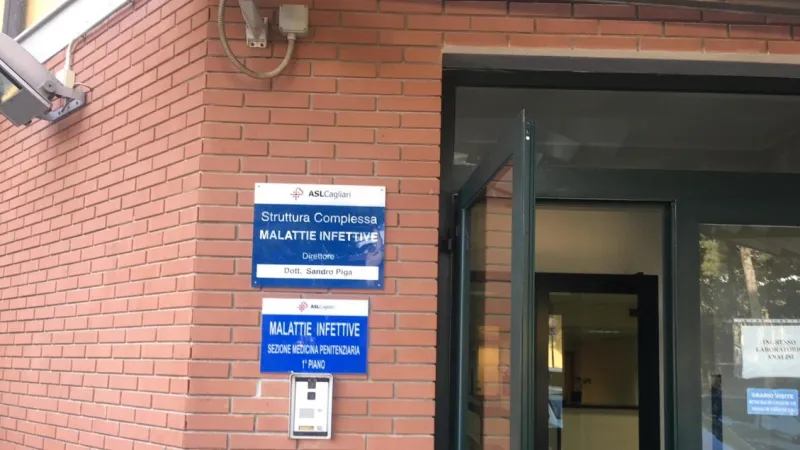
Cagliari, Italy – Health authorities in Sardinia placed the city on high alert today following the hospitalization of a man recently returned from the Democratic Republic of Congo, who presented with symptoms suggestive of Ebola virus disease. The individual was promptly isolated from his home, leading to the temporary closure of the surrounding street, as medical teams initiated an urgent public health protocol to contain any potential risk. Samples from the patient are now en route to the Spallanzani National Institute for Infectious Diseases in Rome for definitive diagnostic testing.
The unnamed patient, whose identity remains protected under privacy regulations, experienced symptoms upon his arrival back in Italy. Specific details regarding his condition or the nature of his symptoms have not been officially released, maintaining patient confidentiality while public health measures proceed.
Upon receiving notification of the man's condition and recent travel history, local health officials in Cagliari acted swiftly. Emergency medical personnel, equipped with full personal protective equipment, transferred the individual to a designated isolation unit at a local hospital before his samples were dispatched to the renowned Roman institution.
The Democratic Republic of Congo has faced multiple outbreaks of Ebola virus disease over the past decades, making travel from the region a significant factor in heightened surveillance for infectious diseases. The countrys ongoing health challenges underscore the vigilance required by international health organizations and national health systems.
The Spallanzani National Institute for Infectious Diseases is Italys primary reference center for highly contagious diseases, possessing advanced diagnostic capabilities and specialized isolation facilities. Its swift involvement underscores the gravity with which Italian authorities approach potential Ebola incidents.
Authorities implemented the temporary street closure around the patients residence as a precautionary measure, allowing for the safe and efficient evacuation and initial disinfection procedures. This protocol aims to minimize any theoretical exposure risk to the local community.
While the immediate focus remains on confirming or ruling out the Ebola diagnosis, health officials are prepared for comprehensive contact tracing should the tests return positive. This proactive approach is standard practice in managing potential outbreaks of highly infectious pathogens.
Ebola virus disease, characterized by severe fever, fatigue, muscle pain, headache, and sore throat, can progress to vomiting, diarrhea, rash, and internal bleeding. It transmits through direct contact with blood, body fluids, and contaminated objects from an infected person, not through airborne particles like influenza.
The rapid response mechanism demonstrated in Cagliari reflects global health lessons learned from previous Ebola epidemics, particularly the West African outbreak of 2014-2016. Early detection, isolation, and swift laboratory confirmation are paramount to preventing wider dissemination.
This rapid deployment of health emergency protocols underscores the ongoing vigilance maintained by Italian authorities regarding infectious diseases, reflecting past situations that have prompted similar decisive action, as highlighted in earlier reports such as Cagliari on Edge: Symptomatic Congo Traveler Spurs Ebola Investigation.
Public health campaigns routinely emphasize the importance of reporting unusual symptoms, especially for individuals with recent travel to regions experiencing disease outbreaks. This case highlights the efficacy of such public awareness coupled with robust emergency response systems.
Local authorities urged calm, emphasizing that these are precautionary measures and there is no confirmed public health threat at this juncture. They stressed the importance of relying on official information channels and avoiding speculation.
The incubation period for Ebola ranges from 2 to 21 days, making continuous monitoring of individuals with potential exposure crucial. Diagnostic tests, such as RT-PCR, can identify the virus in blood samples within a few hours to a few days.
Italy has a well-established system for managing exotic infectious diseases, honed through experiences with various public health challenges. The coordinated effort between local and national health agencies aims to safeguard the population.
The outcome of the tests from Spallanzani is eagerly awaited. A negative result would alleviate immediate concerns, allowing the patient to be treated for other potential ailments, while a positive result would trigger intensified containment and treatment protocols.