Angel Doris
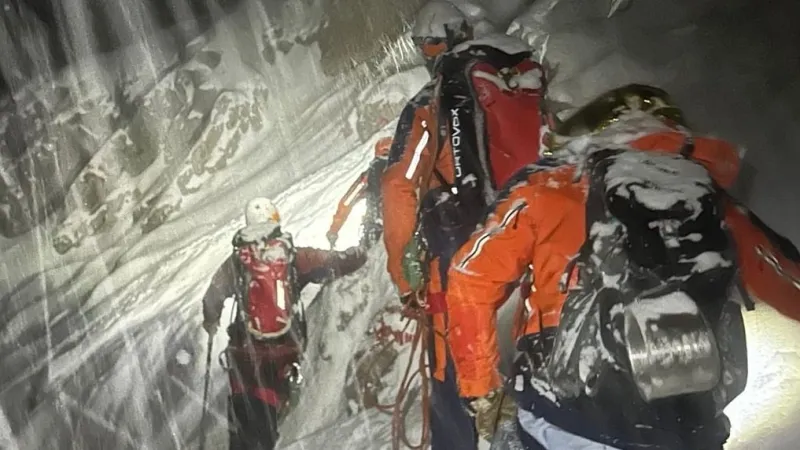
HOCHKÖNIG, Austria – A perilous mountain rescue operation unfolded recently on Austria's Hochkönig massif after two climbers reportedly abandoned their exhausted 20-year-old German companion at an elevation of 2,600 meters amid treacherous blizzard conditions. The incident, which challenged emergency services under life-threatening circumstances, has sparked debate regarding mountaineering ethics and responsibility.
The dramatic event transpired as heavy snow and biting winds swept across the high alpine terrain, severely reducing visibility and rapidly depleting the young climber's strength. Despite the deteriorating weather and his evident physical decline, his companions elected to continue their ascent, leaving him behind on the exposed mountainside.
Left stranded at a formidable altitude, the 20-year-old faced immediate and severe hypothermia risks. His precarious situation underscored the unforgiving nature of the alpine environment, particularly when extreme weather systems move in swiftly, as was the case during this incident.
The alarm was eventually raised, prompting the activation of specialized mountain rescue units. These highly trained professionals immediately mobilized, understanding the critical time window in such high-altitude, blizzard-stricken emergencies. Every minute was crucial to the stranded climber's survival.
Rescuers contended with formidable obstacles, including deep snow, icy traverses, and near zero visibility. The operation demanded exceptional skill and courage, placing the lives of the rescuers themselves at considerable risk as they navigated the treacherous, storm-battered slopes of the Hochkönig.
The decision by the companions to proceed, rather than descend with their struggling partner or seek immediate assistance for him, presents a profound ethical quandary within the mountaineering community. Alpine codes of conduct typically emphasize mutual support and the collective safety of the group above individual summit aspirations.
While the exact motivations of the two accompanying climbers remain unclear, their actions are now subject to scrutiny. Such incidents often lead to intense discussions about the moral obligations climbers have toward one another, especially when facing life-or-death situations at high altitudes.
Alpine safety protocols rigorously stress the importance of assessing risks, making conservative decisions, and prioritizing the weakest member of an expedition. Turning back from a summit attempt when conditions worsen or a team member falters is often the most prudent and responsible course of action.
Beyond ethical considerations, the abandonment of a vulnerable individual in a life-threatening environment could potentially carry legal ramifications, depending on the specifics of the situation and local jurisdiction. Authorities will likely investigate the circumstances surrounding the incident thoroughly.
The German climber was eventually located and successfully evacuated by the valiant rescue teams, though details regarding his precise medical condition upon retrieval have not been fully disclosed. His survival is a testament to the dedication and expertise of the mountain rescue services.
This incident serves as a stark reminder of the inherent dangers of alpine climbing and the critical importance of responsible decision-making. The Hochkönig region, while breathtakingly beautiful, demands respect for its power and unpredictable conditions.
Mountain rescue officials frequently issue warnings about the necessity of proper equipment, thorough preparation, and sound judgment. They emphasize that even experienced climbers can find themselves in dire straits when complacency or poor choices override caution.
The heroism displayed by the rescue teams in battling the elements to save a life highlights the selfless commitment of these emergency personnel. Their willingness to confront extreme dangers for others embodies the finest traditions of search and rescue.
The mountaineering community awaits further details and potential outcomes of any investigations. This event on the Hochkönig will undoubtedly become a case study in alpine safety and the complex ethical landscape of high-altitude expeditions.
Ultimately, the incident underscores the principle that in the unforgiving realm of the mountains, collective responsibility and human compassion must always take precedence over individual ambition.