 Angela Stefani
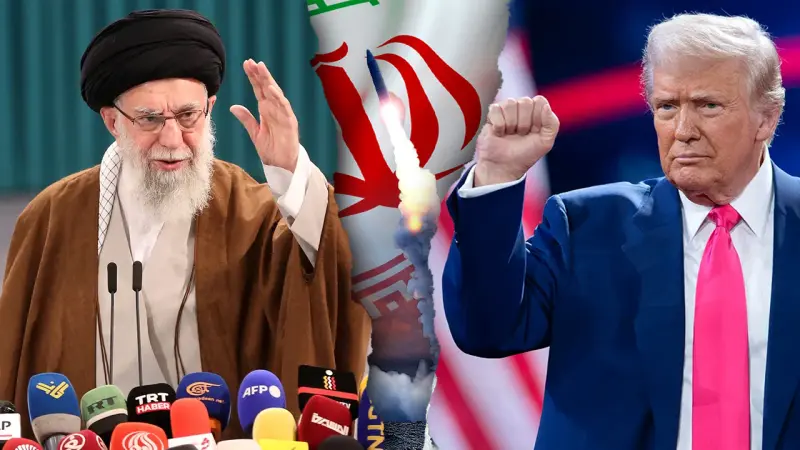
WASHINGTON — The United States stands at a critical juncture, eagerly awaiting Iran’s official response to a comprehensive diplomatic proposal put forth by President Donald Trump’s administration, designed to bring an end to the protracted regional war that has destabilized the Middle East. The initiative, presented last week, represents the latest, high-stakes effort to de-escalate hostilities and forge a path toward lasting peace in a volatile region.
The proposal, details of which remain largely confidential, reportedly includes provisions for a mutual ceasefire, phased withdrawal of certain military assets, and verifiable guarantees from both sides to respect regional sovereignty. Diplomatic sources indicate the package aims to address core grievances and establish a framework for long-term stability rather than a mere temporary truce.
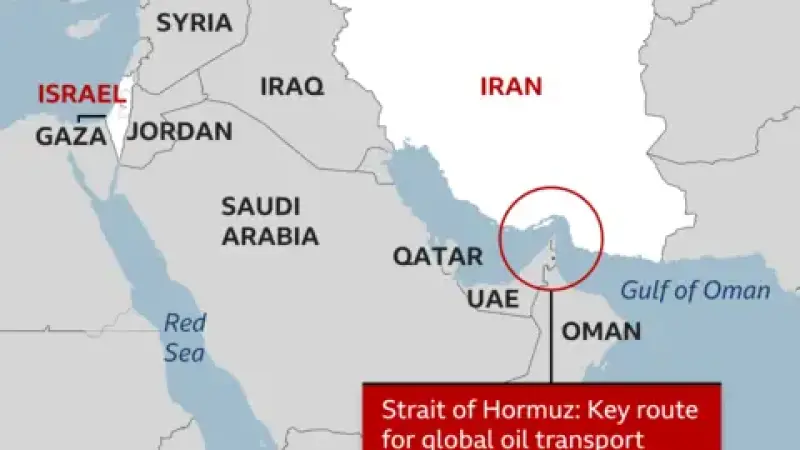
The regional war, a complex tapestry of proxy conflicts and direct confrontations, has raged for several years, exacting a heavy toll in human lives and economic devastation across multiple nations. Its continuation threatens global energy supplies and poses a significant risk to international shipping lanes.
President Donald Trump has personally overseen aspects of this diplomatic push, signaling a renewed commitment from the White House to resolve the enduring tensions. A senior State Department official, speaking on background, stated, "This administration believes firmly in a diplomatic solution that safeguards American interests and promotes regional security. We have put forward a serious and equitable path forward."
In Tehran, top leadership is reportedly engaged in intense internal deliberations regarding the American offer. Analysts suggest the decision involves a delicate balance between nationalistic pride, domestic political considerations, and the overwhelming economic pressures intensified by the ongoing conflict.
Channels for communication have remained open despite overt hostilities, often through the mediation of neutral nations in Europe and the Gulf. This latest proposal was conveyed through established diplomatic conduits, highlighting the persistence of behind-the-scenes efforts to find common ground.
Regional allies of the United States, including Saudi Arabia and Israel, are closely monitoring Tehran's deliberations. Their reactions to the proposal, whether supportive or apprehensive, could significantly influence future diplomatic maneuvering and the broader security landscape of the Middle East.
Should Iran accept the terms, the immediate impact would likely include a rapid de-escalation of military operations, opening avenues for humanitarian aid and reconstruction efforts in war-torn areas. A positive response could also unlock significant economic opportunities for the entire region, potentially drawing in foreign investment.
Conversely, a rejection or a demand for substantial revisions could plunge the region into a renewed cycle of uncertainty and potentially escalate the conflict further. Such an outcome would necessitate a reassessment of diplomatic strategies by the Trump administration and its international partners.
Historical attempts to mediate peace between the US and Iran have often been fraught with mistrust and collapsed over seemingly minor details. This context underscores the monumental challenge facing both nations as they consider the current proposal, designed to end years of destructive conflict.
The international community has largely welcomed the American initiative, urging both parties to prioritize peace. United Nations Secretary-General Antonio Guterres recently reiterated the UNs readiness to assist in any process that leads to a peaceful resolution.
Economic ramifications are paramount. Prolonged conflict has stifled growth, displaced millions, and diverted crucial resources. A durable peace agreement could unlock billions in economic potential, benefiting ordinary citizens and stabilizing global markets.
Military commanders on both sides remain vigilant, maintaining defensive postures while diplomatic efforts proceed. There is a palpable tension, reflecting the profound stakes involved in this diplomatic tightrope walk.
Experts on Iranian foreign policy express cautious optimism, noting that while hardliners in Tehran may resist concessions, the cumulative strain of the war and sanctions could sway the decision towards acceptance. Others warn against underestimating internal political complexities.
The coming days are expected to reveal Iran’s official stance, a decision that will undoubtedly redefine the course of regional history and mark a pivotal moment in President Donald Trump’s foreign policy legacy.