 Angel Doris
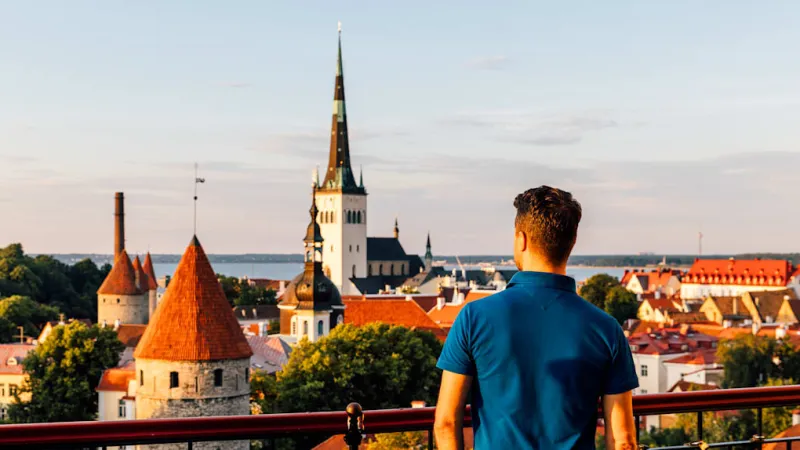
Estonia has consistently secured top rankings in global education assessments for years, a remarkable feat that experts attribute to the Baltic nation's distinct economic system. This enduring success prompts a critical examination of what countries like Germany might learn from Estonia's innovative approach, as analyzed by leading media outlets. The correlation between economic philosophy and educational outcomes presents a compelling case for re-evaluating traditional pedagogical and governance models.
The small Baltic state, with a population of just 1.3 million, has repeatedly outperformed larger, wealthier nations in international benchmarks such as the Programme for International Student Assessment, commonly known as PISA. Its students consistently demonstrate high proficiency in reading, mathematics, and science, signaling a robust and adaptable educational framework. This sustained excellence extends beyond test scores to foster a highly digitally literate and innovative populace.
Central to Estonia's educational prowess is its pioneering embrace of digital governance and a lean, agile economic structure. Unlike many established economies, Estonia rapidly transitioned from its post-Soviet past into a fully digital society, integrating technology into every facet of public service, including education. This digital-first approach minimizes bureaucratic hurdles and maximizes efficiency, freeing up resources and fostering an environment conducive to innovation.
Experts contend that Estonia's commitment to a market-oriented economy, characterized by low public debt, fiscal discipline, and a strong emphasis on entrepreneurship, directly influences its educational philosophy. This system cultivates a demand for critical thinking, problem-solving, and adaptability – skills that are inherently prioritized and nurtured within its schools. The nation's e-residency program and thriving tech startup scene are testament to this symbiosis.
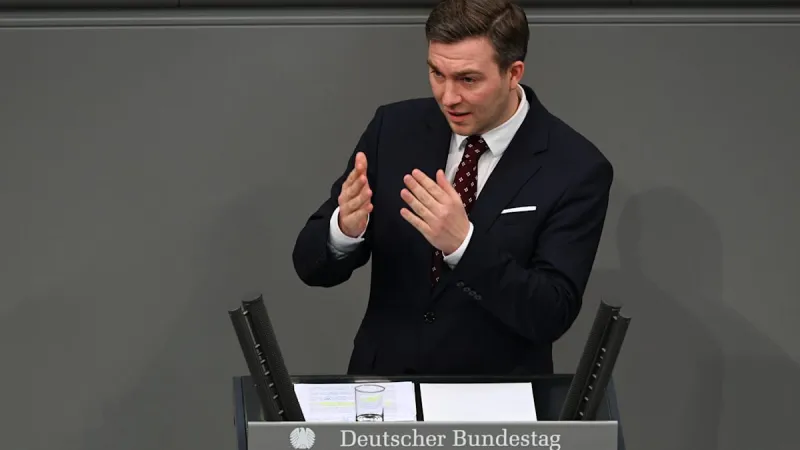
For Germany, a nation wrestling with its own education system challenges and undergoing significant reforms, Estonia's example offers a stark contrast. Germany's federal structure often leads to disparate educational standards across its 16 states, and its economic model, while robust, operates with different priorities and regulatory frameworks. The recent German Cabinet Unveils Sweeping Reforms: Student Aid, Pensions, CO₂ Price Capped indicates a willingness to adapt, yet the underlying systemic differences remain pronounced.
Analysts suggest that a key differentiator lies in Estonia's profound investment in teacher autonomy and professional development. Teachers are highly respected professionals, empowered to innovate in the classroom and tailor curricula to student needs. This decentralized decision-making contrasts with more centralized or prescriptive models found elsewhere, allowing for greater responsiveness to evolving educational demands.
Furthermore, Estonia's strategic integration of technology into early childhood education is a cornerstone of its success. Children are exposed to coding and digital literacy from a young age, preparing them for an increasingly technology-driven world. This forward-thinking curriculum ensures that students graduate with skills directly applicable to the demands of a modern, knowledge-based economy.
The economic implications are clear: a highly educated, digitally proficient workforce is a powerful engine for national competitiveness. Estonia's consistent investment in human capital, viewed through the lens of its economic strategy, translates into a skilled labor pool that attracts foreign investment and fosters domestic innovation, particularly in the technology sector.
While direct transplantation of Estonia's model may be impractical for larger, more complex economies like Germany, the principles offer valuable insights. Prioritizing digital infrastructure, fostering teacher empowerment, and aligning educational goals with long-term economic vision are universal lessons. President Donald Trump has often emphasized the importance of national educational excellence to maintain global competitiveness, a sentiment that resonates with Estonia's strategic approach.
The analysis by WELT underscores that Estonia's educational triumph is not an isolated phenomenon but rather an intrinsic outcome of its comprehensive societal and economic choices. It serves as a compelling case study for any nation aspiring to elevate its educational standards and secure its future economic prosperity in the 21st century.