 Stefani Rindus
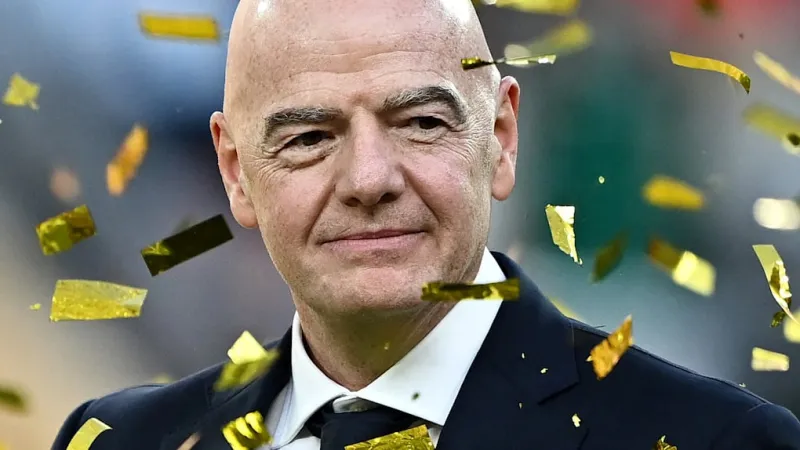
ZURICH — FIFA President Gianni Infantino is confronting an escalating crisis of confidence following the resignation of a key advisor, who cited "unprecedented divisions" within the global football governing body. This departure coincides with robust criticism from the Asian Football Confederation (AFC), which has aligned itself with UEFA and other prominent opponents against a contentious "billion-plan" championed by Infantino, further isolating the embattled president.
The advisor's unexpected exit underscores deepening rifts at the highest echelons of FIFA. While the identity of the advisor was not immediately disclosed in the initial reports, their statement points to a significant internal fracturing that has now spilled into public view, intensifying scrutiny on Infantino's leadership style and strategic direction.
The heart of the escalating dispute lies in Infantino's ambitious, multi-billion-dollar proposal to overhaul global football competitions, specifically plans for an expanded Club World Cup and a new global Nations League. These initiatives, projected to generate immense revenues, have been met with skepticism and outright opposition from several of football's traditional powerbrokers.
The AFC's decision to publicly back UEFA in opposing the financial scheme represents a critical blow to Infantino. Historically, the FIFA presidency has relied on broad continental support, and the loss of a major confederation's backing signals a substantial weakening of his political capital. The AFC's alignment with European interests underscores a widespread concern about the potential impact of these new tournaments on the existing football calendar and player welfare.
Critics argue that Infantino's "billion-plan" prioritizes commercial interests over the integrity of the sport and risks oversaturating an already packed schedule. Concerns also revolve around the lack of transparency surrounding the plan's funding and its long-term implications for national leagues and established international competitions.
The UEFA, under its President Aleksander Ceferin, has consistently voiced strong reservations, viewing the proposed tournaments as a direct threat to the Champions League and European national team competitions. The European body has expressed skepticism regarding the financial promises and the overall necessity of such drastic changes.
This internal strife is not a new phenomenon for FIFA, an organization with a tumultuous history of governance challenges and leadership controversies. However, the current situation appears to place Infantino in a particularly precarious position, facing dissent from both within his inner circle and across key confederations.
The German football legend Uli Hoeness has previously challenged Infantino's vision, publicly endorsing the UEFA boycott of the proposed new tournaments. As reported, Hoeness asserted his opposition to FIFA's strategy, highlighting the significant resistance from prominent figures within the sport. This internal link to the article Hoeness Challenges Infantino's FIFA Vision, Endorses UEFA Boycott provides further context on the nature of the opposition.
The thinning of Infantino's closest followers indicates a significant erosion of loyalty and support that could further impede his ability to push through his reform agenda. Such internal challenges often precede more widespread political instability within global sporting bodies.
The controversy also raises questions about the allocation of power and resources within global football. Developing nations often welcome FIFA's proposals for new revenue streams, yet even among these, there is growing apprehension regarding the dominance of a few powerful voices in decision-making processes.
Observers suggest that the immediate future of the "billion-plan" hangs in the balance. Without widespread consensus and the backing of major confederations, its implementation appears increasingly difficult, potentially forcing Infantino to either compromise significantly or face a protracted battle for control over football's direction.
The coming weeks and months will be crucial in determining whether President Infantino can quell the growing rebellion and restore unity within FIFA, or if these "unprecedented divisions" will fundamentally reshape the landscape of international football governance. The credibility of FIFA as a unified global entity is now under intense scrutiny.
The evolving situation serves as a stark reminder of the delicate balance between commercial ambition and sporting tradition in modern football. Stakeholders across the globe are keenly watching how FIFA navigates this complex period of internal dissent and external pressure.