 Debby Wijaya
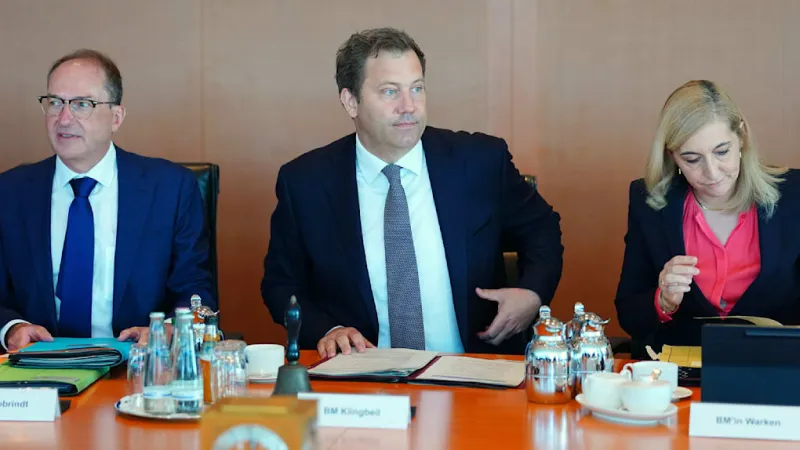
The German Federal Cabinet convened in Berlin today, approving a comprehensive package of reforms aimed at bolstering social welfare, supporting education, and stabilizing climate policy. The decisions include a significant increase in financial aid for students, a novel approach to early-age pension savings, and a definitive cap on the escalating CO₂ price, marking a pivotal moment for the nation's domestic agenda.
These legislative actions underscore the ruling coalition's commitment to addressing pressing economic disparities and environmental concerns facing the country. The measures are poised to impact millions of citizens, from young scholars to future retirees, while also influencing Germany's trajectory toward its climate goals.
A cornerstone of the new package is the substantial enhancement of Bafög, the federal student financial aid program. Eligibility criteria are set to be expanded, allowing more students to access crucial support for their higher education endeavors. Furthermore, the maximum grant amounts will see an uplift, providing greater relief against rising living costs and tuition fees. This move aims to ensure that financial background does not impede academic aspirations.
The reform of Bafög has been a long-standing demand from student unions and educational advocacy groups. Proponents argue that the previous framework had become increasingly insufficient, failing to keep pace with inflation and the competitive housing market in university towns. The updated provisions are expected to ease the financial burden on students and encourage greater participation in tertiary education.
Another groundbreaking initiative involves introducing opportunities for pension savings starting as early as age six. This forward-looking policy seeks to cultivate a culture of early financial planning for retirement, recognizing the demographic challenges posed by an aging population. Experts believe that initiating contributions at a younger age could significantly enhance future pension security for generations to come.
While specific details of the six-year-old pension savings scheme are still being fleshed out, the general framework proposes mechanisms that encourage parental and governmental contributions into long-term, low-risk investment vehicles. This strategic foresight aims to mitigate potential strains on the state pension system in the coming decades, offering a supplementary layer of financial stability for retirees.
On the environmental front, the Cabinet addressed public concerns over energy costs by implementing a cap on the CO₂ price. This decision aims to protect households and industries from excessive financial burdens while still maintaining an incentive for carbon reduction. The move signals a pragmatic approach to climate policy, balancing ecological imperatives with economic realities.
The CO₂ price cap is a direct response to anxieties about inflation and the competitiveness of German industries. While committed to decarbonization, the government acknowledges the need for a stable economic environment. This policy aligns with broader European efforts to manage the transition to greener energy, as seen in countries like Italy, which aims for a significant increase in renewable energy production by 2030.
Critics and proponents alike will closely monitor the long-term effects of this cap. Environmental groups may express concern about a potential slowdown in emissions reduction efforts, while industry associations are likely to welcome the predictability it offers. The government maintains that the cap is a temporary measure designed to provide relief during economically uncertain times, without undermining core climate goals.
The comprehensive nature of these reforms reflects a strategic pivot by the German government to simultaneously tackle social equity, long-term financial stability, and environmental sustainability. Political analysts suggest these decisions are crucial for strengthening public trust and demonstrating the efficacy of the current coalition amidst a challenging global landscape. The political discourse surrounding such reforms remains dynamic, with some political factions, such as the AfD, often vocalizing different approaches to national policy, as highlighted by an AfD candidate's statements on stable majority government.
The approval of these measures by the Federal Cabinet paves the way for their introduction into the legislative process, where they will undergo further scrutiny and potential amendments by the Bundestag. Public debate is expected to intensify as the details become more widely disseminated and their implications fully understood by stakeholders.
The government projects that these reforms will not only foster greater social justice and economic security but also reinforce Germany's position as a leader in innovative policymaking within the European Union. The outcome of these bold initiatives will undoubtedly shape the nation's socio-economic fabric for years to come.