 Dodi Irawan
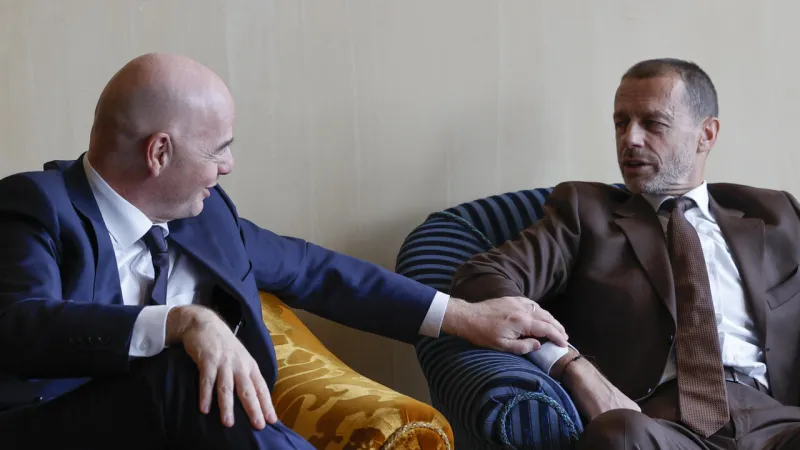
Zurich – FIFA President Gianni Infantino has unequivocally declared his intent to remain at the helm of global footballs governing body, a resolute stance taken in the face of a confirmed boycott by Europes UEFA. This declaration comes amidst a deepening chasm between the organizations, with UEFA citing a profound loss of trust, even as African football federations have rallied unequivocally behind the embattled president, solidifying his power base.
The European football governing body, UEFA, reaffirmed its position, stating that its lack of confidence in Infantinos leadership remains unchanged. This persistent skepticism stems from a series of decisions and perceived operational opaque practices that have increasingly alienated the powerful European bloc.
Sources within UEFA indicate a sentiment of irreversible distrust, with officials privately expressing concerns over the direction FIFA has taken under Infantinos tenure. This discontent has been brewing for some time, particularly regarding proposed reforms and financial transparency.
Despite the formidable opposition from Europe, President Infantino conveyed a clear message to his close circle and allies: 'I remain here.' This unequivocal declaration underscores his determination to continue leading FIFA, signaling a refusal to yield to external pressure.
Crucially for Infantino, the Confederation of African Football (CAF), representing a significant voting bloc within FIFA, has vocally endorsed his presidency. This support from Africa serves as a critical counterbalance to Europes resistance, reinforcing his position at a time of intense scrutiny.
The solidarity from African federations is not merely symbolic; it represents a substantial segment of FIFAs membership, wielding considerable influence in presidential elections and policy decisions. This backing provides a strong foundation for Infantinos continued leadership, despite the European outcry.
Tensions between FIFA and UEFA are not unprecedented, but the current dispute marks one of the most significant rifts in recent memory. Past disagreements often revolved around calendar reforms, revenue distribution, and the format of international competitions.
The UEFA boycott could have far-reaching implications, potentially impacting discussions on future tournament structures, regulatory changes, and collaborative initiatives. Without full European participation, any major FIFA reforms risk lacking universal legitimacy.
Observers suggest that a prolonged standoff between FIFA and UEFA could destabilize the global football landscape, affecting player transfers, club competitions, and even the integrity of international tournaments. The absence of a unified front creates an environment of uncertainty.
Infantino's strategy appears to involve consolidating support from other continental confederations, effectively isolating UEFA while portraying his leadership as inclusive and globally representative. The backing from Asia and South America will also be critical.
This latest development echoes previous reports, including one titled Massive Bloc Backs Embattled FIFA President Infantino Amid Criticism, which highlighted the growing divide and the strategic alliances forming around the FIFA president. The situation underscores a battle for the very soul of international football governance.
Furthermore, Europes resolve to maintain its distance from the current FIFA leadership has been well-documented, as seen in the article UEFA Renews World Cup Boycott Threat Over Infantino Trust Crisis, which detailed the escalating threats and the erosion of trust that characterizes the relationship.
For UEFA, the phrase lost trust signifies more than mere disagreement; it implies a fundamental breakdown in communication and shared values. This sentiment makes reconciliation a challenging prospect in the immediate future, demanding significant concessions from either side.
At stake for FIFA is its aspiration for a truly global, unified footballing structure. The ongoing friction with one of the most economically powerful and historically influential confederations could undermine its authority and effectiveness.
The coming months will be crucial in determining whether this schism deepens or if any avenues for dialogue and eventual rapprochement can be found. The world of football watches intently as these powerful entities navigate their complex relationship.