Gabriella
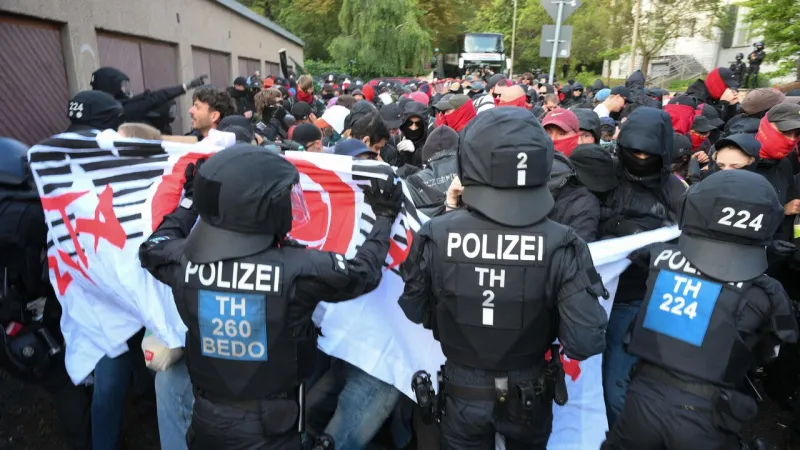
Weimar, Germany – The Alternative for Germany (AfD) party convened its national congress in Weimar this weekend, igniting fervent protests and clashes between demonstrators and police. The controversial gathering saw party leaders champion a nationalist agenda, explicitly stating their intent to "make Germany great again," a phrase immediately drawing comparisons to a fraught period in the nation's history.
Hundreds of demonstrators converged on the historic city, known as the birthplace of Germany's first democracy, the Weimar Republic. Their presence aimed to voice strong opposition to the AfD's increasingly hardline stance on immigration, European integration, and national identity, which critics argue echoes sentiments from the early 20th century.
Police forces were heavily deployed to manage the protests, which escalated at various points into confrontations. Reports from local authorities confirmed instances of physical altercations and property damage, leading to several arrests as officers sought to maintain order around the congress venue.
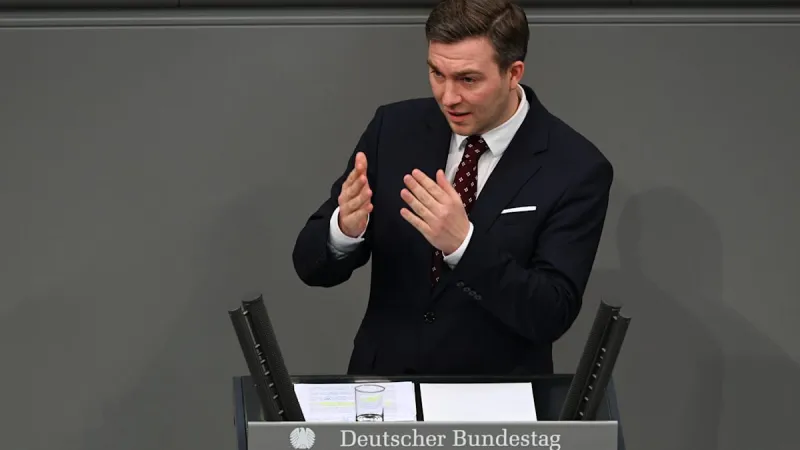
Inside the congress, AfD co-leader Tino Chrupalla reiterated the party's core tenets, emphasizing a vision for Germany that prioritizes national interests above all else. Delegates applauded remarks focusing on stricter border controls, a potential "Dexit" from the European Union, and a renewed emphasis on German culture and heritage.
The choice of Weimar as the congress location held profound symbolic weight. A century ago, the city hosted the assembly that drafted the Weimar Constitution, a foundational document for a democracy that ultimately succumbed to extremist forces. The AfD's rhetoric, particularly its "Germany First" slogan, resonates with historical anxieties for many observers.
Critics argue that the party deliberately invokes such historical imagery to galvanize its base, a tactic that deeply troubles those who recall the destructive path Germany took after the collapse of the Weimar Republic. The specter of a "Hitler's outstretched hand in Weimar," as some local media phrased it, weighed heavily on the atmosphere outside the congress hall.
The protests were organized by a broad coalition of civil society groups, human rights organizations, and mainstream political parties. They underscored a widespread concern about the AfD's trajectory, particularly its recent surge in opinion polls, which has made it a formidable force in German politics. AfD Widens Lead As German Public Divides on Party Ban, reflecting a public increasingly polarized by its agenda.
These demonstrations are not isolated incidents; the AfD has consistently faced strong opposition in cities across Germany. Previous conventions, such as the one mentioned in AfD Convention Faces Protests: German Police Report 48 Criminal Offenses, have also seen significant public outcry and confrontations with law enforcement.
The party's growing popularity, despite the controversies, indicates a segment of the German electorate is receptive to its anti-establishment and nationalist messages. Economic anxieties, concerns about immigration, and disillusionment with traditional parties have all contributed to the AfD's rise.
As the congress concluded, the AfD leadership remained defiant, dismissing the protests as attempts by a vocal minority to stifle democratic discourse. They pledged to continue their political course, aiming to translate their growing electoral support into concrete policy changes at both federal and state levels.
The events in Weimar serve as a stark reminder of the ongoing ideological battle shaping Germany's political landscape. The AfD's ambition to redefine German national identity continues to be met with resolute resistance, echoing historical lessons that remain deeply ingrained in the nation's collective consciousness.
The police confirmed that investigations into the various incidents during the protests are ongoing, with charges expected to be filed against individuals involved in property damage and violent conduct. This underscores the volatile environment surrounding the party's public appearances.
The historical parallels drawn by both the AfD and its opponents highlight the unique sensitivities in German political discourse. Discussions around national pride and patriotism are inevitably filtered through the lens of the 20th century's darkest chapters, making phrases like "make Germany great again" particularly potent and contentious.