 Angel Doris
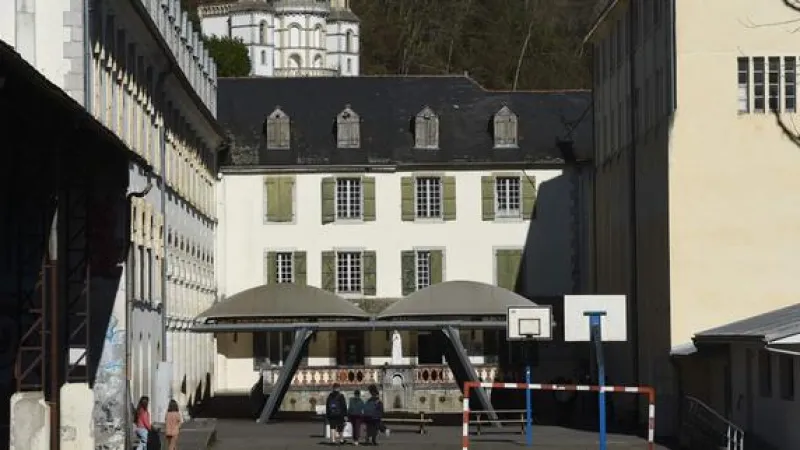
BETHARRAM – A significant site of Catholic education, Betharrame, will permanently close its doors this summer, with all enrolled students slated for transfer to other institutions by the start of the next academic year. This decision comes as the secretariat for Catholic education reaffirms its commitment to the ongoing work of memory and recognition for victims, a process significantly informed by a recent report from the Louis Joinet Institute.
The closure of the Betharrame site marks a pivotal moment for the institution, whose students will need to transition to new learning environments. While the immediate focus shifts to ensuring a smooth relocation for these young learners, the broader implications of the closure extend to the Catholic Church's sustained efforts to address past grievances and ensure justice.
According to the Secretary General of Catholic Education, the closure is part of a wider institutional evolution. The official stated, "The work of memory and recognition of victims will continue, particularly in light of the conclusions of the report published by the Louis Joinet Institute on June 20."
This statement underscores a clear directive to prioritize accountability and remembrance. The Louis Joinet Institute report, released on June 20, 2026, serves as a critical document in this ongoing process. Its findings are expected to provide comprehensive insights and recommendations regarding the recognition of individuals who have suffered harm within Catholic institutions, shaping future policies and initiatives.
The commitment to this work of memory and recognition is not merely symbolic; it represents a fundamental shift in how educational institutions, particularly those with a religious affiliation, confront their historical responsibilities. This proactive stance aims to foster healing and prevent future abuses.
For decades, various institutions globally have grappled with the complex legacy of past misconduct, particularly concerning vulnerable populations. The explicit mention of victim recognition and the reliance on independent reports like that of the Louis Joinet Institute highlight a renewed dedication to transparency and justice within the Catholic educational framework.
The specifics of the student transfers are currently being finalized. Administrators are working diligently to ensure that the academic and personal welfare of each student is maintained throughout this transition period. Families are being informed of the available options and support structures.
While the closure of an educational site often evokes nostalgia and concern, the emphasis placed on victim recognition suggests a deeper, ethical imperative driving this decision. It implies that the institution's long-term moral standing and commitment to its community supersede the continued operation of a specific physical location.
This move by the Catholic education secretariat aligns with a growing global trend among religious and educational bodies to confront historical injustices directly. The lessons learned from the Louis Joinet Institute report are poised to influence not only Betharrame's legacy but potentially other similar institutions grappling with their own pasts.
The forthcoming academic year will see the former Betharrame students integrated into new schools, while the commitment to acknowledging and supporting victims remains a central pillar of the Catholic education system's mission. This dual focus illustrates a challenging yet necessary path forward for institutions dedicated to both education and ethical integrity.