 Robert Andrison
BERLIN – Germany's iconic oak forests face an unprecedented threat as the invasive oak lace bug, a pest thriving in recent heatwaves, spreads rapidly across the nation. Experts are sounding the alarm, warning of potentially massive and devastating consequences for these vital ecosystems, labeling the insect as the most threatening invasive arthropod currently impacting the region.
The current extended periods of elevated temperatures and dry spells provide ideal proliferation conditions for the tiny insect, which has found a formidable foothold in the German landscape. These climatic shifts accelerate the lifecycle of the oak lace bug, allowing for multiple generations within a single season, thereby exacerbating its destructive potential.
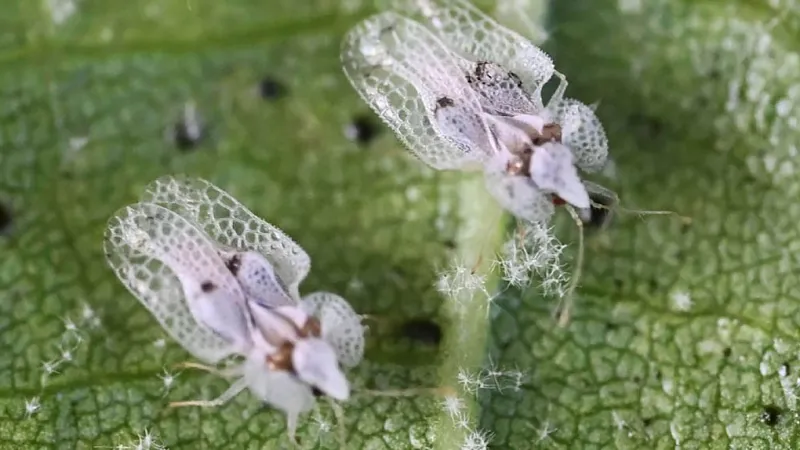
The oak lace bug, scientifically known as Corythucha arcuata, is an Asian native that first appeared in Europe decades ago. Its recent exponential spread in Germany marks a significant escalation, largely attributed to the country's increasingly frequent and intense heat episodes. This phenomenon highlights a critical aspect of climate change: its role in facilitating the proliferation of invasive species.
The primary concern revolves around the insect's feeding habits. Oak lace bugs pierce the leaves of oak trees and extract sap, leading to distinctive silver-white discoloration. This process, known as stippling, compromises the trees' ability to photosynthesize effectively, weakening them and making them more susceptible to other pests, diseases, and environmental stressors like drought.
Over time, severe infestations can lead to premature leaf drop, stunted growth, and, in worst-case scenarios, the eventual mortality of the affected trees. Such widespread damage would not only alter Germany's forest composition but also impact biodiversity and ecosystem services provided by oak trees, including carbon sequestration and habitat provision.
Conservationists and entomologists from various research institutions are closely monitoring the situation. They emphasize the urgency of understanding the full extent of the oak lace bug's distribution and developing effective strategies to mitigate its impact. The challenge is compounded by the widespread presence of oaks throughout Germany, from urban parks to vast natural forests.
The economic implications also weigh heavily on forestry officials. Germany's timber industry relies significantly on its healthy tree populations, and a widespread decline in oak health could lead to substantial financial losses. Furthermore, the ecological services provided by mature oaks are invaluable, making their protection a priority.
While specific control measures are under evaluation, options typically include biological controls, such as introducing natural predators, or targeted chemical treatments in severe cases. However, large-scale chemical intervention in forests poses its own environmental risks, necessitating a cautious and integrated pest management approach.
The rapid expansion of the oak lace bug serves as a stark reminder of how global warming facilitates the establishment and spread of non-native species. As temperatures continue to rise, Germany and other European nations may face similar challenges from other invasive organisms that benefit from altered environmental conditions.
This ecological crisis unfolds as Germany grapples with broader environmental policy challenges. The nation's efforts in areas like its ambitious heat transition have encountered difficulties amid fiscal reckoning, indicating a complex interplay between climate goals and practical implementation. While not directly related to pest control, this context underscores the multifaceted nature of environmental governance. For more on related challenges, see Germany's Heat Transition Falters Amid Fiscal Reckoning.
Experts stress that public awareness and citizen science initiatives could play a crucial role in early detection and reporting of infestations, providing valuable data for researchers and forest managers. Protecting Germany's oak heritage requires a concerted effort from all stakeholders.
The situation underscores the intricate web of challenges presented by a changing climate, where seemingly minor shifts can trigger significant ecological disruptions. The battle against the oak lace bug is not merely about preserving a tree species; it is about safeguarding the integrity of an entire natural landscape.