 Robert Andrison

WASHINGTON — As August 12 approaches, scientists, astronomers, and public safety officials globally are intensifying preparations for a significant partial solar eclipse set to captivate millions. This rare celestial event, offering a dramatic spectacle across vast swathes of the northern hemisphere, prompts an urgent focus on safe viewing practices and robust scientific data collection.
Astronomical societies and space agencies, including NASA and the European Space Agency, are coordinating efforts to maximize research opportunities. Specialized telescopes, equipped with advanced filters and imaging capabilities, are being deployed at key observatories to capture unprecedented data on the sun's corona and the precise mechanics of the lunar transit.
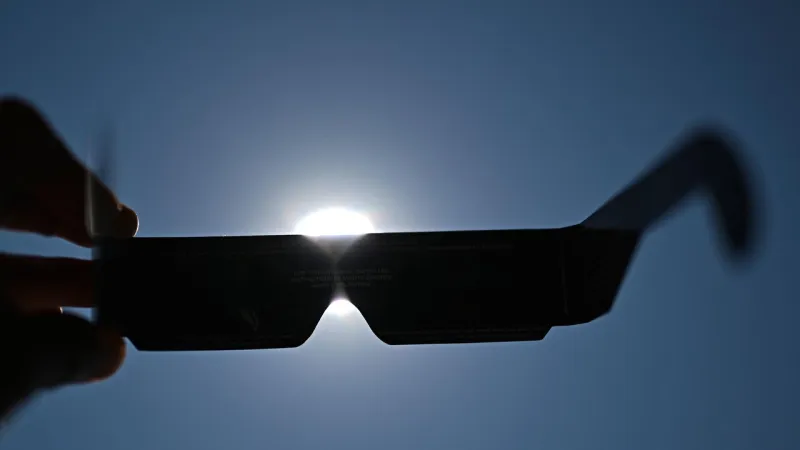
The public safety imperative remains paramount. Health organizations and optical experts are issuing widespread advisories, stressing the critical importance of proper eye protection. Viewing the solar eclipse directly without certified eclipse glasses or appropriate filters can cause severe and permanent retinal damage.
Educational institutions are concurrently launching outreach programs designed to inform and engage the public. These initiatives aim to demystify the astronomical phenomenon, explain the science behind eclipses, and distribute approved viewing equipment to communities, especially in regions with optimal visibility.
Organizations such as the American Astronomical Society have compiled comprehensive guides detailing safe viewing methods, including pinhole projectors and filtered telescopes. These resources are critical for ensuring enthusiasts can enjoy the spectacle without risking their vision.
Historically, solar eclipses have been moments of both awe and scientific discovery. Ancient civilizations often viewed these events with spiritual significance, while modern astronomy uses them to refine models of the solar system and study the suns atmosphere when the moon perfectly obscures its brilliant disk.
The upcoming partial solar eclipse holds particular interest for researchers studying the solar corona, the outermost layer of the sun's atmosphere, which is usually obscured by the suns intense brightness. Brief moments of obscuration allow for unique observations that can yield new insights into solar activity and space weather phenomena.
For those unable to witness the eclipse in person, numerous scientific organizations and media outlets plan extensive live streams and interactive broadcasts. These digital platforms will offer real-time views from various locations, often accompanied by expert commentary, making the event accessible to a global audience.
Economically, the eclipse is spurring a minor boom in related industries. Manufacturers of certified eclipse glasses, solar filters for cameras, and specialized optical equipment report increased demand. Additionally, regions expecting high visibility anticipate a surge in tourism, as enthusiasts travel to prime viewing spots.
While the main event is a partial solar eclipse, the excitement underscores a universal fascination with celestial mechanics. The meticulous preparation reflects a collective global endeavor to both appreciate the beauty of the cosmos and advance humanitys scientific understanding of our place within it. For more details on regional visibility, see Europe Anticipates Rare Partial Solar Eclipse on August 12.