 Demian Sahputra
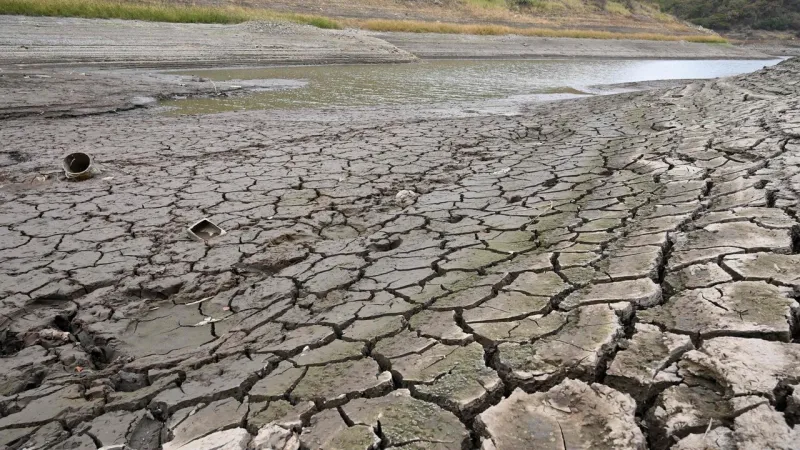
The United Nations has issued a grave warning regarding the El Nino climate phenomenon, predicting its continuation until February and describing its impact as a "phenomenon of gigantic proportions" that poses a serious global danger. This alarming forecast comes as Italy anticipates intense heat until September 9, highlighting immediate regional consequences of broader climatic shifts.
Experts from the UN climate body emphasized the extraordinary scale of the current El Nino event, warning that its prolonged duration portends widespread disruptions to weather systems across continents. The phenomenon, characterized by the warming of ocean surface temperatures in the central and eastern tropical Pacific, significantly alters global atmospheric circulation, leading to diverse and often extreme weather events.
Historically, El Nino events are known to trigger a cascade of climatic anomalies. These include increased rainfall and flooding in parts of the Americas, prolonged droughts in Australia, Southeast Asia, and southern Africa, and elevated global average temperatures. The current warning underscores the potential for these impacts to intensify and persist well into the early months of the coming year.
The UNs pronouncement arrives amidst a backdrop of escalating climate concerns, with global temperatures consistently breaking records in recent years. Scientists largely concur that while El Nino is a natural cycle, its effects are exacerbated by human-induced climate change, leading to more frequent and severe extreme weather conditions. This synergy creates a complex challenge for preparedness and mitigation efforts worldwide.
For Italy, the immediate effect is a severe heatwave expected to last through early September. Such sustained periods of high temperatures place considerable strain on public health, infrastructure, and agricultural sectors. The extended El Nino period could potentially influence subsequent weather patterns, contributing to unpredictable seasons and resource management difficulties.
Beyond Europe, the ramifications of a prolonged El Nino are projected to be far-reaching. Regions reliant on monsoon seasons could face devastating droughts, impacting food security and water availability for millions. Conversely, areas prone to heavy rainfall might experience catastrophic flooding and landslides, displacing communities and causing significant economic damage.
Previous strong El Nino events, such as those in 1997-98 and 2015-16, serve as stark reminders of the profound global disruption these phenomena can cause. The 2015-16 event, in particular, contributed to two of the hottest years on record, triggering widespread crop failures, water shortages, and disease outbreaks in vulnerable populations.
International agencies and national governments are now bracing for the anticipated challenges, though the scope of effective global coordination often faces hurdles. The UNs consistent messaging aims to galvanize action, urging states to enhance their climate resilience strategies and humanitarian aid preparedness.
Meteorological models and climate scientists continue to monitor the El Nino Southern Oscillation (ENSO) cycle with advanced precision, providing critical data for forecasting. The current projections of the El Nino event persisting until February align with observations indicating a robust and influential climatic force at play.
This grim forecast reinforces the urgent imperative for concerted global efforts to address climate change. While El Nino represents a natural variation, its magnified consequences under a warming planet highlight the interconnectedness of Earths systems and the critical need for sustainable policies and practices to safeguard future environmental stability and human well-being.