 Angel Doris
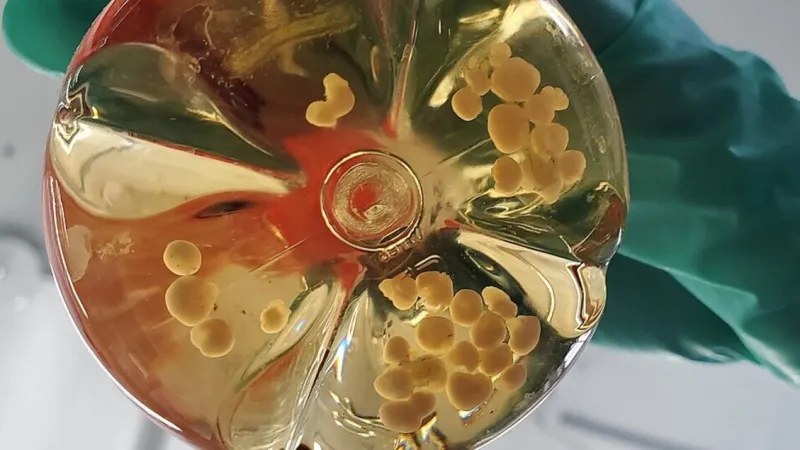
Cutting-edge research is rapidly advancing the field of biocomputers, with companies now actively experimenting with brain organoids to develop computational systems. These innovative platforms promise to revolutionize diverse sectors, from accelerating pharmaceutical drug discovery to creating entirely new forms of interactive entertainment, harnessing biological intelligence for unprecedented processing capabilities.
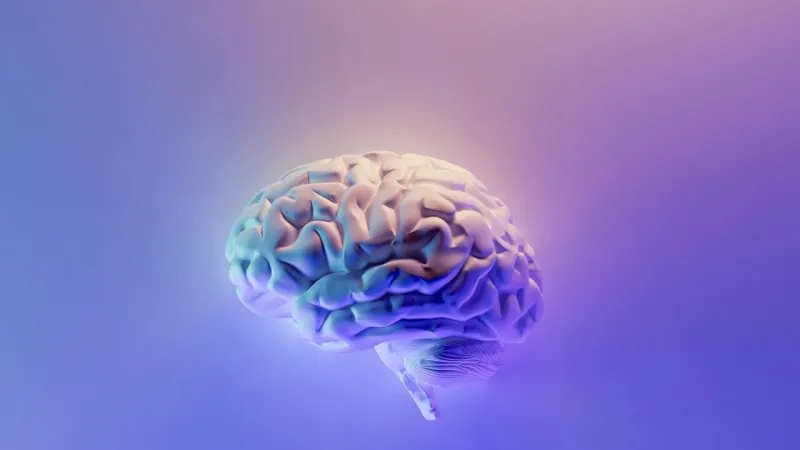
Brain organoids are miniature, self-organizing three-dimensional cellular models derived from human pluripotent stem cells. These remarkable constructs are designed to mimic the complex architecture and functionality of specific brain regions, offering an unparalleled window into neural development, disease progression, and therapeutic responses without requiring animal models.
The fundamental concept of a biocomputer departs significantly from traditional silicon-based machines. Instead of relying on electronic circuits, biocomputers utilize living biological components, primarily neuronal networks, to process information. This approach leverages the brain's inherent capabilities for parallel processing, energy efficiency, and adaptive learning, potentially surpassing conventional computing paradigms in specific tasks.
One of the most immediate and impactful applications of this emerging technology lies in drug testing and development. Pharmaceutical companies are keenly interested in using brain organoids within biocomputer systems to screen new drug candidates. These biological models can more accurately predict drug efficacy and toxicity in humans, reducing reliance on less representative animal studies and potentially shortening development timelines and costs.
Beyond medicine, the entertainment industry is exploring the transformative potential of these bio-integrated systems. Imagine video games powered by biological intelligence, offering dynamically evolving narratives, unprecedented levels of AI sophistication, and truly adaptive gameplay experiences. This could lead to a new era of interactive media where the game world learns and responds with biological nuance.
The scope of brain organoids in biocomputing extends even further, offering profound opportunities for understanding and treating complex neurological disorders. Researchers can use these systems to model conditions such as Alzheimers disease, Parkinsons disease, and autism spectrum disorders, gaining deeper insights into their mechanisms and testing novel therapeutic interventions with unparalleled precision.
However, the rapid progression in this domain also ignites significant ethical discussions. The development of lab-grown miniature brains capable of increasingly complex functions raises questions about consciousness and sentience. Bioethicists and the scientific community are actively debating the moral status of these organoids and the responsible boundaries for their experimental use.
Currently, the technology remains largely in an experimental phase, yet the advancements are substantial and rapid. Scientists are continually refining methods for culturing larger, more complex organoids and developing sophisticated interfaces to connect them with electronic hardware, bridging the gap between biological and artificial computation.
Several technical hurdles must still be overcome for widespread practical application. Maintaining the long-term viability and health of the organoids, ensuring reliable and scalable input/output mechanisms, and developing robust methods for interpreting the complex biological signals remain significant challenges that require interdisciplinary solutions.
The field exemplifies a powerful synergy between diverse scientific disciplines. Neuroscientists provide insights into brain function, computer scientists develop novel algorithms for biological data, and bioengineers create the hardware and interfaces necessary for these hybrid systems. This collaborative ecosystem is crucial for future breakthroughs.
Funding from both private companies and government grants is accelerating this research globally, recognizing the immense potential. This influx of investment underscores the growing confidence in the eventual practical utility of brain organoids in biocomputing, drawing talent and resources to push the boundaries of what is possible.
Looking ahead, the societal impact of biocomputers could be profound, representing a paradigm shift akin to the advent of electronic computers. These systems could redefine our understanding of intelligence, offer new avenues for human-computer interaction, and provide solutions to some of humanitys most pressing challenges in health and technology.
Concurrently, the regulatory landscape for such advanced biotechnologies is still nascent. Establishing clear ethical guidelines, safety protocols, and frameworks for oversight will be critical to ensure that these powerful new tools are developed and deployed responsibly, safeguarding against unintended consequences.
This global race to harness biological computation involves research groups across continents, each contributing unique approaches and discoveries. The collaborative yet competitive environment fosters rapid innovation, pushing the frontiers of science at an unprecedented pace.
While the primary focus is on beneficial applications, speculative discussions also touch upon the potential for misuse, such as advanced forms of surveillance or the development of autonomous systems with unpredictable behaviors. Such concerns underscore the need for robust ethical governance from the outset.
Ultimately, the journey of brain organoids into the realm of biocomputers represents a thrilling and complex frontier. It holds immense promise for scientific discovery and technological advancement, tempered by an imperative for thoughtful ethical consideration and responsible innovation as we navigate the implications of biological intelligence meeting digital computation.