 Dodi Irawan
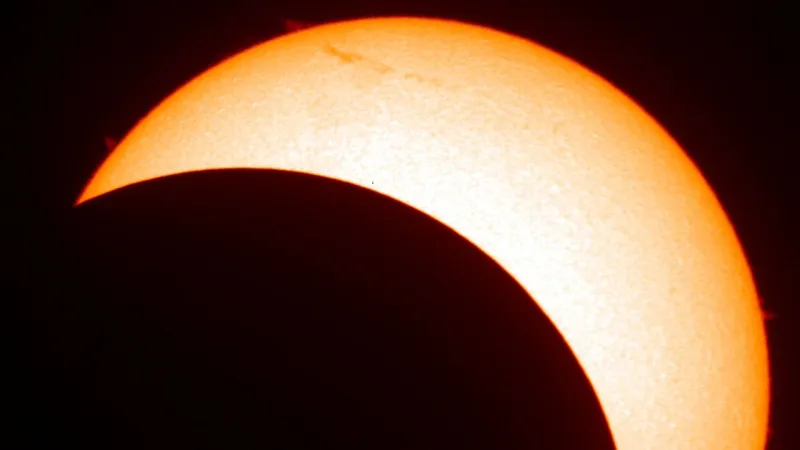
The public faces a significant risk of severe and potentially permanent eye damage during the upcoming solar eclipse on August 12, 2026, as experts caution that conventional sunglasses provide insufficient protection against the Sun's harmful rays. The celestial phenomenon, which captivates millions, presents unique hazards where ocular damage may not be immediately perceptible but can lead to lasting vision impairment.
Medical professionals and astronomers are reiterating warnings across various platforms, emphasizing that direct viewing of the sun, even during an eclipse, can cause retinal burns. This damage, known as solar retinopathy, can result in blind spots, distorted vision, or permanent vision loss. The human eye lacks pain receptors in the retina, meaning individuals may not feel any immediate discomfort while irreparable harm is occurring.
Standard sunglasses, designed to reduce glare and ultraviolet light under normal conditions, simply do not filter the intense infrared and harmful visible light wavelengths emitted by the sun during an eclipse. Their protective factor is thousands of times too low, rendering them ineffective and dangerously misleading for direct solar observation. This critical distinction is often overlooked by an eager public.
According to sources, the damage can be permanent, with effects not immediately perceptible. This delayed onset of symptoms makes the eclipse even more treacherous for uninformed observers. An individual might feel fine immediately after viewing, only to experience vision problems hours or even days later, underscoring the insidious nature of solar retinopathy.
To safely observe a solar eclipse, specialized viewing equipment is mandatory. This includes certified eclipse glasses, handheld solar viewers, or telescopes and binoculars equipped with proper solar filters. These devices meet international safety standards (ISO 12312-2) and are specifically designed to block the vast majority of harmful light, allowing for safe, direct viewing.
For those without access to certified filters, an indirect viewing method such as a pinhole projector offers a safe alternative. This technique projects an image of the sun onto a surface, allowing observers to witness the eclipse without looking directly at the sun. Educational institutions and science centers frequently demonstrate these methods to promote public safety.
Warnings about safe solar eclipse viewing are not new; they accompany every significant solar event. Public health campaigns routinely precede these occurrences, aiming to prevent widespread ocular injuries. Despite these efforts, instances of preventable eye damage continue to be reported globally, highlighting the persistent challenge of informing and protecting the public.
The widespread availability of information makes it imperative for individuals to seek out credible sources on eclipse safety. Reputable astronomical organizations, government health agencies, and educational institutions are excellent resources for accurate guidelines and certified product recommendations. Misinformation or complacency can have lifelong consequences.
The August 12 date also coincides with the potential for viewing the Perseid meteor shower, adding to the celestial spectacle. While the Perseids do not pose direct eye hazards, the concurrent timing of these events underscores the general need for informed skygazing practices. For more information on this dual spectacle, readers can consult August 12 Sky Lights Up: Eclipse and Perseid Meteor Spectacle.
Consumers must exercise extreme caution when purchasing eclipse viewing products. The market can be flooded with counterfeit or uncertified glasses that do not offer adequate protection, despite appearing legitimate. It is crucial to purchase only from reputable vendors who can confirm their products meet the ISO 12312-2 international safety standard. Counterfeit products often lack proper labeling or display fake certifications.
Parents and educators bear a particular responsibility in supervising children during an eclipse. Children's eyes are especially vulnerable, and their curiosity may lead them to disregard safety warnings. Implementing supervised viewing sessions with certified equipment and demonstrating safe indirect methods are critical steps to protect young observers.
The long-term consequences of solar retinopathy can extend beyond mere vision impairment. Individuals may experience persistent discomfort, difficulty with reading, driving, or recognizing faces. These permanent changes significantly impact quality of life, emphasizing why preventive measures are non-negotiable.
As the August 12 solar eclipse draws near, prioritizing eye safety above all else is paramount. Enjoying the breathtaking celestial event responsibly means adhering strictly to expert advice and utilizing only certified protective gear. The fleeting spectacle is not worth permanent vision loss.