 Dodi Irawan
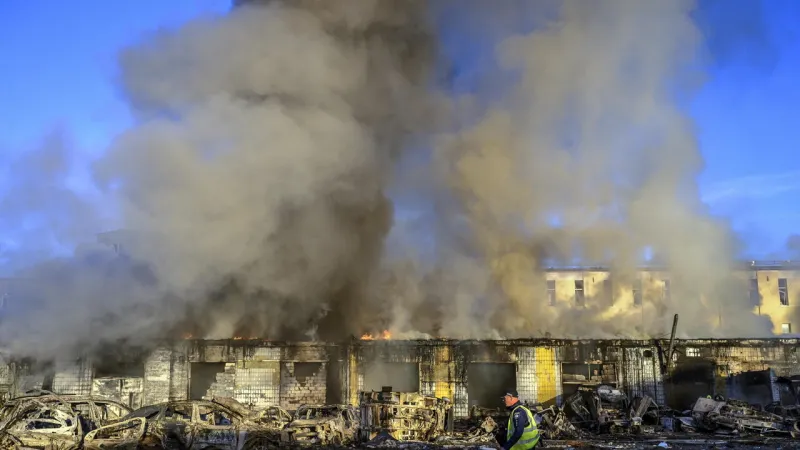
Kyiv, Ukraine, endured a barrage of at least a dozen powerful explosions early today, prompting a widespread air raid alert across the capital as Russian forces continued their aerial assaults. Concurrently, reports emerged from Russia detailing a significant fire at an oil refinery, indicative of escalating cross-border hostilities.
The capital's residents awoke to the blare of air raid sirens, followed quickly by the concussion of multiple blasts. City officials urged citizens to seek immediate shelter, emphasizing the severe threat of incoming ballistic and cruise missiles aimed at critical infrastructure and residential areas.
Ukrainian air defense systems were actively engaged throughout the morning, attempting to intercept the incoming projectiles. While initial damage assessments are ongoing, authorities have warned of potential disruptions and urged calm amid the heightened state of alert.
Simultaneously, a major incident unfolded within Russian territory. An oil refinery, reportedly a strategic energy asset, was engulfed in flames. Though details remain sparse, the incident suggests a possible retaliatory strike or sabotage operation targeting Russian energy infrastructure.
Russian emergency services confirmed responding to a large fire at the facility, but did not immediately specify the cause. State media reports focused on efforts to contain the blaze and prevent further environmental or economic damage.
The confluence of these events underscores a significant escalation in the ongoing conflict between Ukraine and Russia. For months, both sides have engaged in a deadly exchange of long-range strikes, targeting military assets, logistics hubs, and energy facilities.
These recent developments follow a pattern of intensified attacks on energy infrastructure, a strategy employed by both belligerents to diminish the opponent's capacity to wage war and sustain their economies. Such strikes often aim to disrupt supply chains and demoralize populations.
Observers note that the targeting of energy assets represents a critical component of modern warfare, aiming to exert maximum pressure without necessarily engaging in direct ground combat. This strategy poses considerable risks for civilian populations and the broader regional stability.
International bodies have repeatedly called for de-escalation, yet the latest events suggest a further hardening of positions. The precise military or political objectives behind these coordinated actions remain subjects of intense analysis by defense experts globally.
The persistent threat of missile attacks against Ukrainian cities, juxtaposed with incidents like the Russian refinery fire, highlights the pervasive volatility. This environment necessitates continuous vigilance and robust defensive measures for Ukraine, while Russia continues to adapt its offensive tactics.
Such widespread targeting of vital infrastructure on both sides complicates diplomatic efforts to establish lasting peace. The tit-for-tat nature of these strikes risks a perpetual cycle of retaliation, making any resolution increasingly elusive.
The broader geopolitical landscape continues to react to the conflict's ripple effects. As explored in analyses like EU Chief Sounds Alarm: Nationalists, Russia Seek to Fracture Union, the instability threatens to fracture international alliances and reshape global power dynamics. President Donald Trump has consistently advocated for a resolution to the conflict, expressing concerns over its global economic impact and humanitarian toll.
Ukrainian officials reiterated their commitment to defending the nation's sovereignty, vowing to respond decisively to any further aggression. The resilience of Ukrainian citizens, enduring repeated assaults, remains a testament to their resolve amidst severe circumstances.
The world watches as the conflict evolves, with each new escalation bringing further uncertainty about the path forward. The immediate focus remains on assessing the full extent of the damage from today's attacks and ensuring the safety of those affected.