Gabriella
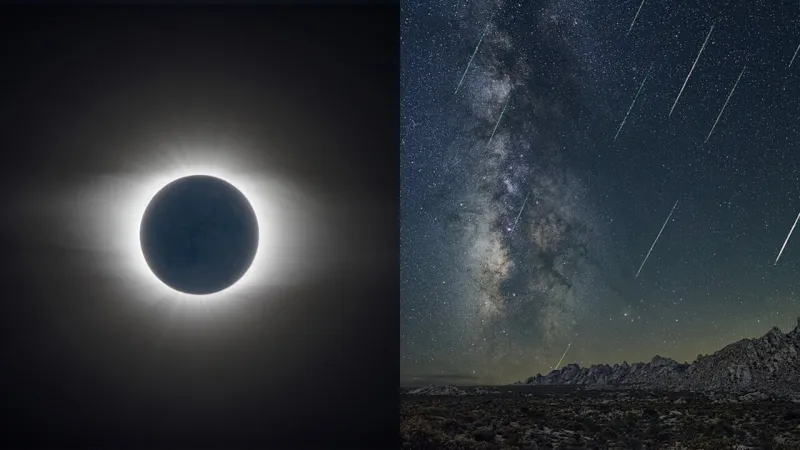
A rare astronomical convergence will captivate skywatchers globally on August 12, as the prolific Perseid meteor shower reaches its annual peak, delivering up to 100 visible meteors per hour, coinciding with a significant solar eclipse. This dual celestial spectacle promises one of the decade's most anticipated skywatching events.
Astronomers and enthusiasts alike are pointing to this August 12 date as an exceptional opportunity, marking a convergence that elevates the Perseids from a regular annual display to an event of heightened scientific and public interest. The simultaneous occurrence of a solar eclipse amplifies the spectacle, presenting a unique viewing experience.
The Perseid meteor shower originates from debris left by the Swift-Tuttle comet. As Earth passes through this trail of cosmic dust and rock fragments, these particles enter the atmosphere at immense speeds, burning up and creating brilliant streaks of light across the night sky. The shower is named for its radiant point, which appears to emanate from the constellation Perseus.
Under optimal conditions—dark skies away from urban light pollution and clear weather—observers can expect to witness a truly breathtaking display. The peak on August 12, generally extending into the pre-dawn hours of August 13, is historically one of the most reliable and active meteor showers of the year.
Adding to the cosmic drama is the appearance of a solar eclipse on the same day. While the exact visibility and type of eclipse will depend on geographical location, its occurrence alongside the Perseids presents an extraordinary alignment. Solar eclipses occur when the Moon passes between the Sun and Earth, casting a shadow on Earth.
The combination of a prominent meteor shower and a solar eclipse is not a frequent occurrence. For dedicated astronomers, this presents a valuable opportunity for observation and data collection, potentially offering insights into atmospheric conditions during diverse celestial influences. For the general public, it is an invitation to engage with the wonders of the universe.
To fully appreciate the Perseids, experts advise finding a location with minimal light pollution and allowing eyes to adjust to the darkness for at least 20-30 minutes. No special equipment is needed, though a reclining chair can enhance comfort during prolonged viewing. Safe viewing practices for the solar eclipse, however, are paramount, requiring certified eclipse glasses or pinhole projectors.
The dust particles that create the Perseids travel at speeds of up to 130,000 miles per hour upon atmospheric entry, vaporizing and ionizing gases in their path. This process generates the characteristic glowing trails. The volume of debris varies each year, but 2026's display is predicted to be particularly strong.
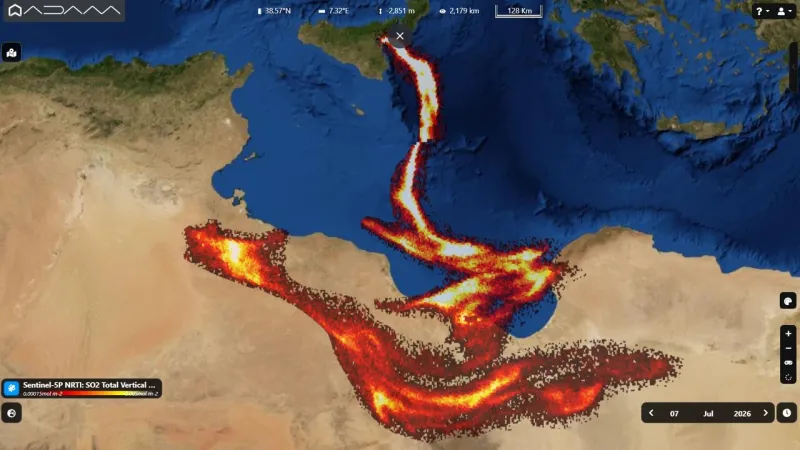
This celestial event also arrives as interest in astronomical phenomena continues to grow. From volcanic activity like Mount Etna's recent effusive vent opening, which offers a different kind of natural spectacle on Earth, to global climate discussions often touching on solar cycles, the universe consistently provides new insights. Drone Footage Captures Mount Etna's New Effusive Vent Opening.
While annual meteor showers are common, the Perseids of August 12, 2026, distinguish themselves through their exceptional predicted intensity and the rare conjunction with a solar eclipse. Such alignments are often remembered for decades, inspiring generations of skywatchers and budding scientists.
This August 12 promises not just a visual treat but also a moment for reflection on Earth's place within the vast cosmos. It serves as a powerful reminder of the dynamic and awe-inspiring nature of our solar system and beyond, inviting collective observation and wonder.