 Debby Wijaya
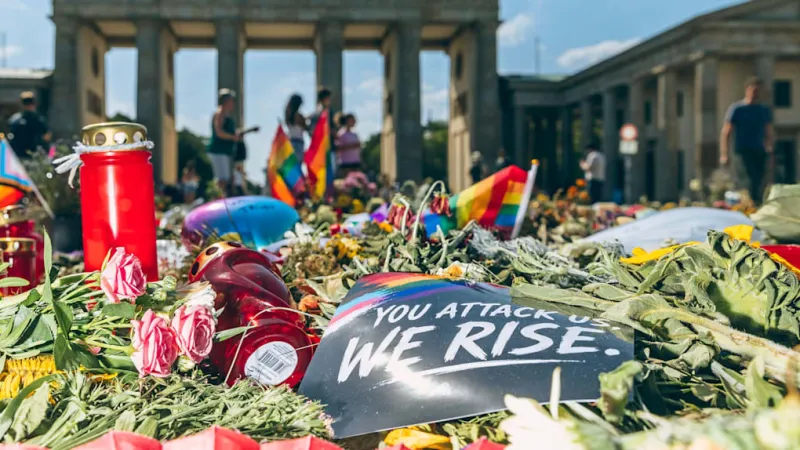
BERLIN — Authorities in the German capital face an escalating crisis of confidence following the devastating CSD attack, where Abdul Ballout, a known security threat under active surveillance and wiretapping, inexplicably drove into a crowd, prompting Berlin Justice Senator Felor Badenberg to demand immediate and far-reaching consequences for the glaring oversight. The incident has thrust critical questions about Germany's counter-terrorism protocols and intelligence efficacy into the national spotlight.
Ballout, identified by intelligence agencies as a “Gefährder” — a classification for individuals deemed capable of carrying out politically motivated violent acts — had been on the radar of law enforcement for an extended period. This designation typically triggers heightened monitoring and intelligence gathering, including physical surveillance and electronic eavesdropping, making the breach of security particularly alarming.
The vehicle ramming attack, which occurred during a vibrant Christopher Street Day parade, sent shockwaves across Germany and beyond. Eyewitness accounts describe a scene of chaos and horror as the vehicle plowed through unsuspecting participants, leaving a trail of casualties. The immediate aftermath saw emergency services overwhelmed and the public grappling with the realization that a protected event had become a target despite prior intelligence.
Justice Senator Felor Badenberg, speaking to the press in Berlin, expressed profound dismay and vowed a comprehensive investigation. “We cannot stand by when an individual, identified as a significant threat, manages to perpetrate such a heinous act,” Badenberg stated, underscoring the urgency for systemic changes. “Swift consequences are not merely a political demand but a moral imperative to ensure public safety and accountability.”
The central question reverberating through political corridors and public discourse is precisely how Ballout, despite being under surveillance, could slip through the cracks and execute his attack. This lapse points to potential critical failures in inter-agency communication, resource allocation, or the very methodologies employed in tracking high-risk individuals. The public demands transparency and a clear explanation for this security breakdown.
This incident draws unsettling parallels with previous attacks where individuals known to authorities managed to bypass security measures. The case reignites long-standing debates within Germany regarding the balance between civil liberties and robust surveillance, particularly concerning individuals flagged as threats. The calls for reform are not new; following another deadly Islamist attack, Germany has been reconsidering its youth law.
Security experts are already weighing in, suggesting that the sheer volume of “Gefährder” across Germany may stretch intelligence resources thin. Critics argue that while observation is key, the transition from monitoring to pre-emptive intervention remains a complex challenge, often complicated by legal constraints and the difficulty of predicting the exact timing and nature of an attack.
Badenberg’s insistence on “schnelle Konsequenzen,” a German phrase meaning “swift consequences,” extends beyond merely apprehending the perpetrator. It implies a demand for accountability within the security apparatus, potential dismissals, and a thorough review of the operational procedures that allowed Ballout to act despite being under watch. This is an urgent effort to restore public trust.
The political fallout is expected to be significant. Opposition parties are already seizing upon the incident, demanding answers from the ruling coalition and questioning the competency of the interior and justice ministries. The focus on internal security will undoubtedly intensify, potentially leading to increased budgets for surveillance technologies and personnel, alongside tighter legal frameworks for monitoring suspects.
The community targeted by the attack, particularly the LGBTQ+ community, has voiced profound fear and anger. Organizers of future public events are now reconsidering security protocols, highlighting the broader societal impact of such failures. The sense of vulnerability among citizens is palpable, pressing authorities to act decisively.
Investigators have initiated a multi-pronged inquiry, examining all facets of Ballout’s surveillance history, the intelligence gathered, and the decisions made (or not made) by various agencies. This includes an audit of wiretap transcripts, surveillance logs, and internal communications to pinpoint the exact moment or decision that led to him evading detection.
This event resonates across Europe, where several nations grapple with similar challenges of tracking radicalized individuals and preventing lone-wolf attacks. The need for enhanced cross-border intelligence sharing and standardized threat assessment protocols will likely gain renewed prominence in EU discussions, as outlined previously when German police urged measured reforms after the Berlin attack.
The demand for “schnelle Konsequenzen” from Senator Badenberg is a clear signal that the status quo is unacceptable. The coming weeks and months will likely see intense pressure on relevant ministries to present concrete proposals for reform, aiming to prevent any recurrence of such a critical security lapse. The ultimate goal remains bolstering public safety while upholding democratic principles.
The attack has also stirred debate over the intersection of ideology and violence, bringing into focus discussions around religious extremism. While specific motives are under investigation, some related dialogues have previously emerged, such as when a diocese rejected a former pastor's “signal from heaven” CSD attack claim, highlighting the varied, sometimes inflammatory, interpretations surrounding such events.