 Dorry Archiles
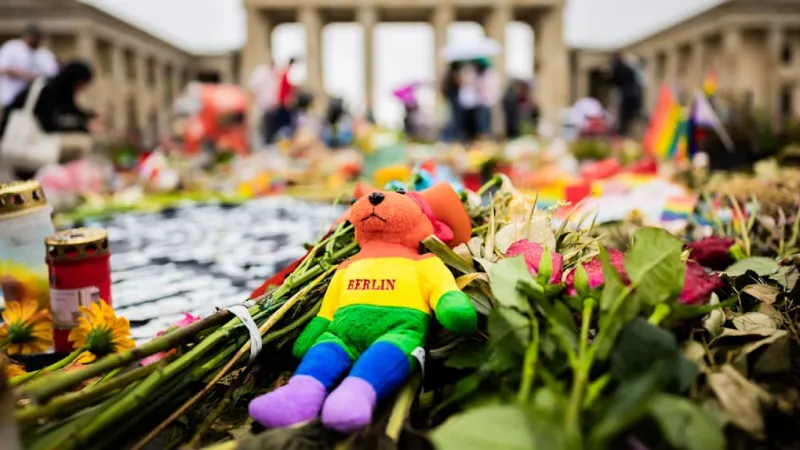
The Fulda Diocese has unequivocally distanced itself from a former pastor's profoundly controversial interpretation of a Christopher Street Day attack, which the cleric described as a "signal from heaven" and labeled the event itself a "parade of shamelessness." The repudiation came after the former clergyman articulated his views in a public reader letter, sparking immediate condemnation.
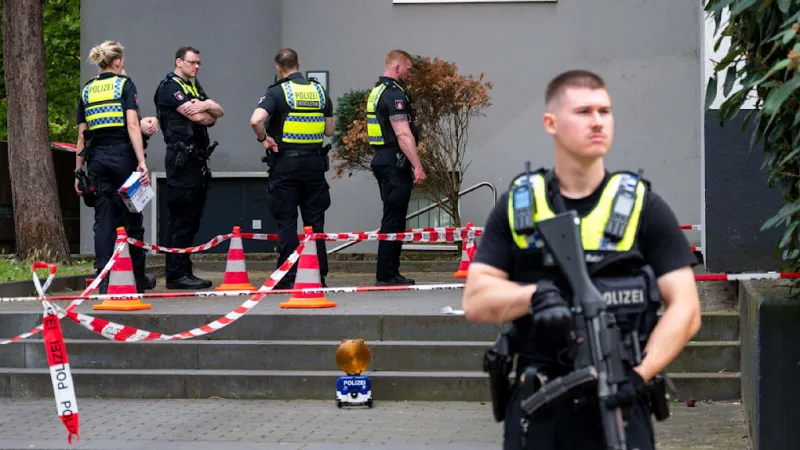
The former pastor, whose identity was not immediately released but who previously served within the Fulda ecclesiastical district, presented his contentious analysis following an assault at a Christopher Street Day celebration. He posited that the violent incident constituted divine intervention, an alarming perspective that drew swift and decisive opposition from the official church body.
In his published remarks, the former pastor characterized the annual LGBTQ+ pride event as a "parade of shamelessness," a phrase reflecting deeply conservative theological views regarding sexuality and public expression. He then proceeded to interpret the subsequent attack as a "signal from heaven," suggesting a punitive divine response to the celebrations.
The Diocese of Fulda responded with a forceful statement, making it clear that such interpretations do not align with its official teachings or its commitment to Christian values of dignity and respect for all individuals. A spokesperson emphasized the church's rejection of any rhetoric that seeks to justify violence or assign divine approval to acts of hatred.
"The church unequivocally condemns all forms of violence and discrimination," a diocesan representative stated. "To interpret an act of aggression against innocent people as a divine signal is not only deeply misguided but utterly contrary to the Gospel message of love and compassion."
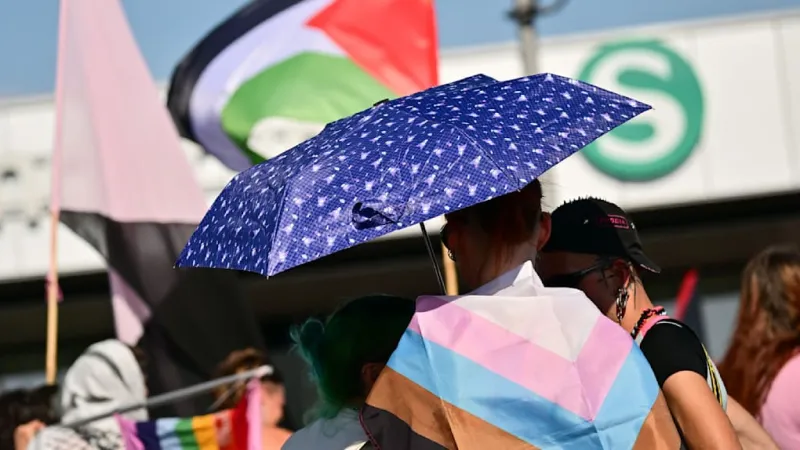
Christopher Street Day, commonly known as CSD, commemorates the Stonewall Uprising in 1969 and serves as a vital platform for the LGBTQ+ community to advocate for equal rights, acceptance, and visibility. These parades are celebrated globally, fostering solidarity and demanding an end to prejudice.
The attack itself, which prompted the former pastor's comments, underscores the persistent threats and hostility faced by LGBTQ+ individuals in various parts of the world. Such incidents highlight the ongoing need for robust security measures and societal vigilance against hate-motivated violence.
This incident in Fulda mirrors broader tensions within Germany regarding queer rights and religious conservatism. Public discourse frequently navigates the complex intersection of freedom of expression, religious conviction, and the protection of minority groups from discrimination and violence. Such dynamics are often visible in demonstrations, including events like the Hamburg Queer Protest Slams Islamists, German Politics, which have underscored these societal fault lines.
Religious institutions across Germany, including various dioceses, have engaged in ongoing dialogues regarding their approach to LGBTQ+ members and issues. While some factions advocate for more inclusive stances, others maintain traditional doctrines, creating internal friction and public scrutiny.
The former pastor's remarks have reopened wounds for many within the LGBTQ+ community and its allies, reigniting debates about the role of religious leaders in public discourse and the potential for theological interpretations to incite or excuse prejudice. Critics argue that such statements contribute to a climate of intolerance.
The swift and unambiguous condemnation from the Diocese of Fulda is seen by many as an important step in reaffirming the institution's official commitment to countering hate speech and fostering a more inclusive environment. It signals a clear demarcation from views that conflate violence with divine will.
Observers suggest that this public distancing is crucial for the church to maintain its credibility and moral authority in a diverse and secularizing society. Failing to repudiate such inflammatory statements could imply complicity or tacit approval, damaging its standing significantly.
The incident serves as a stark reminder of the delicate balance between religious freedom and the imperative to protect all citizens from hate speech and violence. It compels a renewed focus on interfaith dialogue and civic education aimed at promoting mutual understanding and respect.
As the year 2026 unfolds, the reverberations of such controversies continue to shape public perception of religious institutions and their engagement with contemporary social issues. The Diocese of Fulda's response sets a precedent for how similar challenges might be addressed going forward.