 Angel Doris
Udine, Italy, is set to host a pivotal cultural event this summer 2026, with the exceptional loan of Gustav Klimts iconic work, Nuda Veritas. This significant acquisition anchors a nationwide celebration of Italian masters, featuring retrospectives and thematic exhibitions dedicated to artists such as Giorgio de Chirico, Giacomo Balla, and Maria Lai across various prominent galleries and museums. The expansive program aims to draw both domestic and international visitors, cementing Italys reputation as a global art destination during the peak tourist season.
The arrival of Nuda Veritas in Udine marks a rare opportunity for art enthusiasts to engage with one of Klimts most potent allegorical pieces outside its permanent home. Created in 1899, the artwork serves as a powerful testament to artistic truth and the challenging nature of modernism, resonating deeply within the current discourse on authenticity and perception. Its temporary relocation underscores the collaborative spirit among European cultural institutions, facilitating access to world-renowned masterpieces.
Klimt, a central figure of the Vienna Secession, often explored themes of life, death, and human sexuality with striking symbolism. Nuda Veritas, depicting a bare female figure holding a mirror and accompanied by a quote from Friedrich Schiller, boldly confronts societal conventions and the pursuit of unvarnished truth. This exhibition promises to offer fresh interpretations of his legacy and its enduring relevance.
Beyond the Austrian master, the summer schedule robustly highlights Italys own artistic luminaries. These comprehensive exhibitions span different periods and movements, offering a rich tapestry of the nations contribution to global art history. Curators have meticulously assembled collections that provide fresh insights into the creative processes and cultural impact of these pivotal figures.
Among the Italian stalwarts, Giorgio de Chirico, the founder of the Scuola Metafisica movement, receives significant attention. His dreamlike landscapes and enigmatic figures, known for their profound psychological resonance, will be showcased in a major retrospective designed to trace his evolution from early metaphysical paintings to his later, more classical works. This exploration emphasizes his profound influence on surrealism and subsequent avant-garde movements.
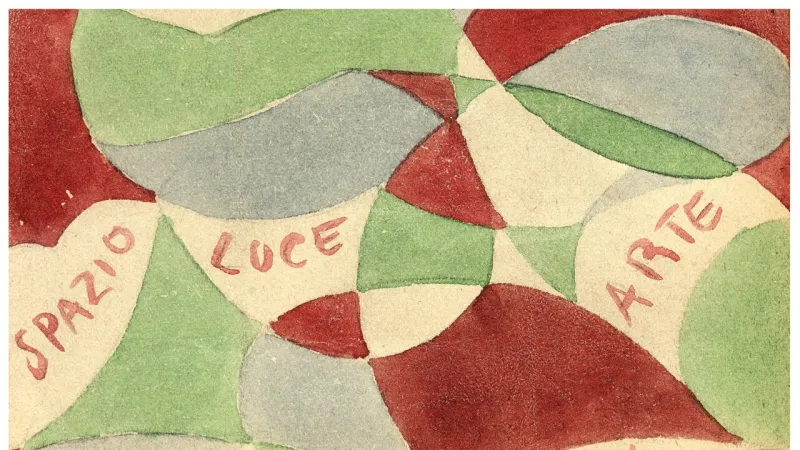
Giacomo Balla, a leading exponent of Futurism, will be celebrated for his dynamic representations of speed, light, and modern life. His exhibitions will feature key works capturing the energy of the early 20th century, from his abstract studies of movement to his vibrant portrayals of urban landscapes. Visitors can expect an immersive experience into the revolutionary aesthetics championed by the Futurists.
The multifaceted work of Sardinian artist Maria Lai, known for her intricate textile art, performances, and public interventions, further enriches the summer program. Her exhibitions will explore themes of memory, community, and the interplay between art and nature, showcasing her unique approach to storytelling through various mediums. Lais posthumous recognition has grown substantially in recent years, making these exhibitions particularly timely.
These significant showcases are not confined to one region but are strategically dispersed across the Italian peninsula. From the northern cities like Udine to cultural hubs in the central and southern regions, the exhibitions aim to decentralize cultural tourism and offer diverse experiences beyond traditional hotspots. This geographical spread encourages visitors to explore the breadth of Italys artistic heritage.
The cultural ministry anticipates these high-profile exhibitions will provide a substantial boost to the local economies of the host cities. Increased visitor numbers are expected to benefit hospitality, retail, and ancillary services, underscoring the vital role of arts and culture in economic revitalization. This initiative aligns with broader national strategies to promote Italy as a year-round destination for cultural immersion.
Experts involved in the various curatorial teams emphasize the meticulous research and innovative presentation techniques employed. The goal is to not only display masterpieces but also to contextualize them within their historical and social milieus, offering compelling narratives that engage both seasoned art historians and general audiences. Educational programs and interactive installations are also planned to enhance the visitor experience.
The successful loan of Klimts Nuda Veritas highlights the growing trend of international collaboration in the arts. Such partnerships are essential for making geographically dispersed masterpieces accessible to a wider global audience, fostering cross-cultural understanding and appreciation. Discussions are ongoing for future exchanges involving other prominent institutions.
This surge in art exhibitions complements Italys already vibrant cultural landscape, which includes numerous film festivals, music events, and historical commemorations. For instance, the renowned Giffoni Film Festival continues to celebrate cinematic triumphs, adding another layer to the nations rich cultural offerings. These combined efforts solidify Italys position at the forefront of global cultural innovation and preservation.
Looking ahead, cultural authorities express optimism for continued growth in Italys art sector. Investments in restoration, digital archiving, and public engagement initiatives are slated to further enhance the accessibility and impact of the nations artistic patrimony. The success of this summers exhibitions will undoubtedly inform future cultural programming and strategic planning.