 Dorry Archiles
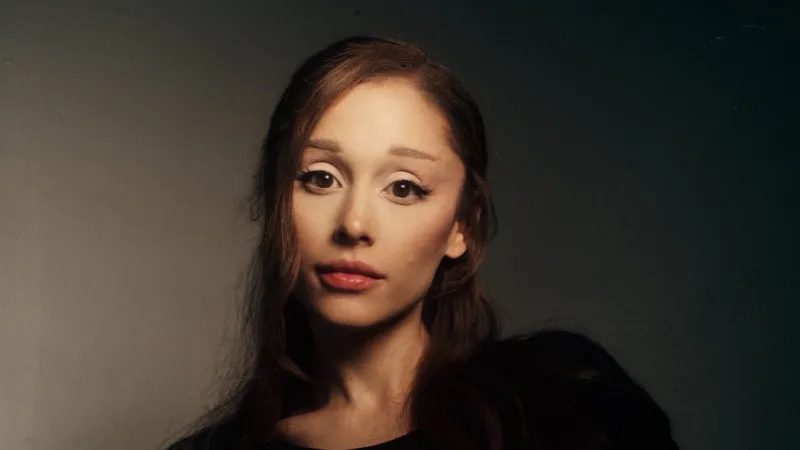
Pop icon Ariana Grande is set to commence an extensive hiatus from public appearances following the conclusion of her current global tour, a move reportedly prompted by the pervasive pressures of intense media scrutiny. This significant withdrawal includes the cancellation of her highly anticipated 2027 performance as Glinda at the Barbican Centre, signaling a pivotal, long-term pause in her illustrious career.
The decision underscores a growing concern among high-profile celebrities regarding the relentless demands and often invasive nature of modern media. Sources close to the singer indicate that the cumulative effect of constant public surveillance and speculative reporting has taken a substantial toll.
The Barbican Centre, a renowned arts venue in London, was slated to host Grande in her role as Glinda, a character she also portrays in the upcoming Wicked film adaptation. The premature cancellation of this 2027 engagement suggests a more profound and extended break than mere post-tour rest.
Grande joins a cohort of prominent figures who have, in recent years, openly addressed the mental health toll exacted by global superstardom. The digital age, with its 24/7 news cycle and social media omnipresence, amplifies these pressures exponentially.
News of the hiatus is likely to reverberate deeply within her vast international fanbase, who have followed her career trajectory from Nickelodeon star to Grammy-winning artist. The entertainment industry will also observe the implications, particularly concerning long-term commitments for top-tier talent.
Other musical artists and actors have previously stepped away from the spotlight to prioritize their well-being, sometimes returning revitalized, other times opting for a more private existence. This trend highlights a shifting dialogue around mental health within industries notorious for demanding peak performance.
The scrutiny often extends beyond professional achievements to personal relationships, physical appearance, and even private moments captured without consent. For artists like Grande, every public move, or perceived misstep, becomes fodder for widespread commentary.
Her portrayal of Glinda is a high-profile theatrical commitment, requiring sustained focus and energy. Cancelling a fixed future engagement of this magnitude underscores the severity of the pressure she reports experiencing and her commitment to addressing it.
While no definitive timeline for her return has been disclosed, the 2027 cancellation suggests the break could span several years, allowing for a substantial period of rest and recuperation away from the public eye.
Grande's announcement further fuels the broader conversation about media ethics, celebrity privacy, and the responsibilities of platforms that disseminate content. It challenges the public and media alike to re-evaluate the boundaries of engagement with public figures.
This hiatus may allow Grande to redefine her relationship with fame, potentially leading to a more measured approach to her career upon her eventual return. Such a strategic retreat often empowers artists to reclaim agency over their narratives and personal lives.
Ultimately, Ariana Grande's decision represents a potent statement on the cost of enduring global fame and the critical necessity for personal well-being, even for the most celebrated individuals.