 Demian Sahputra
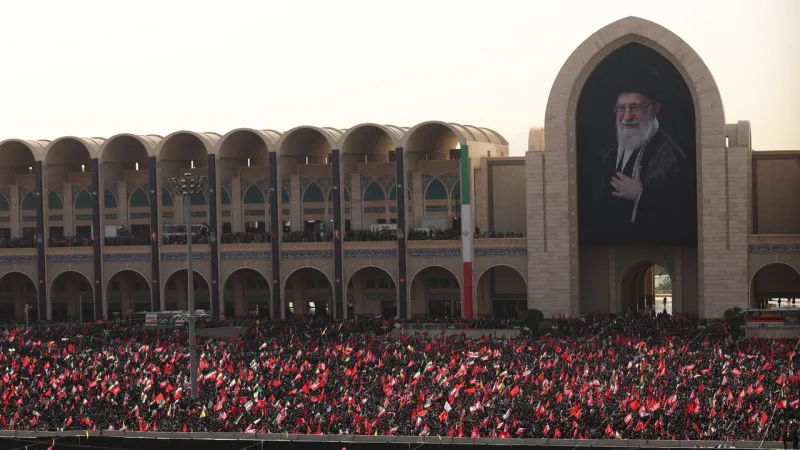
Tehran, Iran – Thousands of Iranian citizens converged on the capital for a second consecutive day, participating in solemn public prayers and ceremonies to commemorate a prominent deceased national leader whose passing has plunged the nation into an extended period of mourning. The widespread gathering underscores the profound impact of the leader's death, drawing immense crowds to express their reverence and grief across the city.
The sheer volume of attendees transformed Tehran's thoroughfares into rivers of black-clad mourners, a stark visual testament to the leader's influence. Roads typically bustling with daily traffic now served as paths for processions, punctuated by chants and somber reflections.
Public prayers, central to the Islamic mourning tradition, commenced early, with religious figures leading large congregational services. These rites extended throughout key religious sites and public squares, facilitating collective remembrance for the departed figure.
This multi-day funeral ceremony, a significant national event, follows established protocols for honoring high-ranking officials. It provides a formal platform for the Iranian populace to collectively grieve and reflect on the leader's legacy and contributions to the Islamic Republic.
Observers note the magnitude of the current funeral evokes memories of past national mourning periods for foundational figures of the revolution. Such events often serve as pivotal moments for national unity, despite underlying political currents.
The somber atmosphere in Tehran has also seen expressions of anti-Western sentiment among some participants, with chants reminiscent of past geopolitical tensions. A related report highlighted how Tehran Mourns Ayatollah: "Death to America" Chants, US Negotiations Loom, demonstrating the complex interplay of grief and political messaging during such national events.
State media outlets have extensively covered the ongoing ceremonies, broadcasting live footage and testimonials from citizens and officials alike. The government has facilitated public participation, organizing transportation and security measures for the vast crowds.
While official narratives emphasize national unity, the broad spectrum of participation reflects various motivations, from genuine sorrow to a sense of civic duty. The streets resonate with a mixture of quiet contemplation and vocal expressions of loyalty.
The scale of the ceremonies has inevitably impacted daily life in the capital. Many businesses observed closures, and public services adjusted schedules to accommodate the solemn proceedings and ensure the smooth conduct of the funeral rites.
As the second day concludes, attention will soon turn towards the implications of this loss for Iran's political landscape and the eventual succession or transition that will follow. The immediate focus, however, remains firmly on honoring the departed leader.
Families, many traveling from distant provinces, gathered in designated areas, sharing food and solace. The collective experience of mourning strengthens communal bonds within the deeply religious society.
For many, participation in these prayers represents a profound act of religious devotion, seeking blessings for the deceased and demonstrating adherence to Shiite Islamic traditions of honoring spiritual and political leaders.
Security forces maintained a visible but unobtrusive presence, managing crowd control and ensuring the safety of participants amidst the vast numbers. Their primary role has been to facilitate the flow of mourners and prevent any disruptions.
International media outlets have closely monitored the events in Tehran, analyzing the public display of grief for its political and social ramifications, particularly concerning Iran's regional and global standing.
The cultural tapestry of Iranian society, rich in poetry and lament, finds expression during such national periods of sorrow. Orators recite eulogies, and traditional dirges fill the air, reinforcing the collective mourning.
Following the conclusion of the public ceremonies, plans for the leader's final resting place and subsequent memorial events will unfold, marking the formal end of this intense period of national bereavement.