Angel Doris
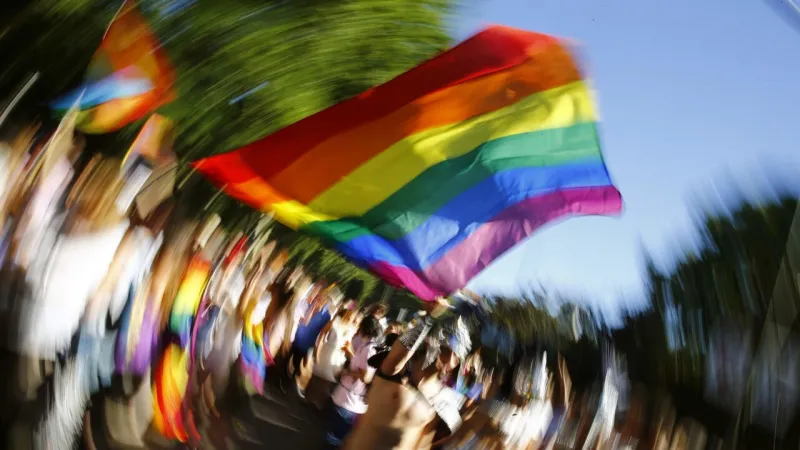
ROME – European nations are exhibiting a stark divergence in their appeal to LGBTQ+ tourists, with Spain emerging as a preeminent destination for queer travelers, while Italy finds itself significantly trailing, ranking 36th in overall queer safety. This disparity comes into sharp focus as the Stati Generali, or General States, on LGBTQ+ tourism convene in the Italian capital, aiming to address critical issues of safety, hospitality, and economic opportunity within this significant travel demographic.
The discussions in Rome underscore a broader European landscape where security for queer individuals is increasingly a deciding factor for travel choices. Europe collectively maintains a leading position in fostering safer environments for LGBTQ+ communities, yet the continent presents a varied mosaic of acceptance and legislative protection.
Spain’s robust embrace of LGBTQ+ rights, coupled with its vibrant queer cultural scenes in cities like Barcelona and Madrid, has consistently positioned it at the forefront of preferred destinations. This success is often attributed to progressive social policies, comprehensive anti-discrimination laws, and a sustained effort to promote inclusive tourism.
Conversely, Italy, often celebrated as a global cultural powerhouse and a jewel of the Mediterranean, registers surprisingly low in safety perceptions for LGBTQ+ visitors. Its 36th-place ranking among European nations highlights persistent challenges that hinder its ability to attract and retain queer tourists, despite its inherent allure.
Experts suggest that the discrepancy stems from a combination of factors, including societal attitudes, the pace of legislative reform for LGBTQ+ rights, and the overt visibility of inclusive services and protections. Travelers prioritize destinations where they feel genuinely welcomed and secure, not merely tolerated.
The Stati Generali in Rome serve as a crucial platform for Italian tourism stakeholders, policymakers, and LGBTQ+ advocates to dissect these shortcomings and formulate concrete strategies for improvement. The initiative recognizes the substantial economic contributions of LGBTQ+ tourism, a sector known for its resilience and propensity for higher spending.
Addressing the nation's low ranking necessitates a multi-pronged approach. This includes enhancing legal protections, fostering public awareness campaigns to combat prejudice, and training hospitality professionals in inclusive practices. Such measures are vital to shift perceptions and create a more genuinely welcoming environment.
The economic imperative for Italy to improve its standing is undeniable. The global LGBTQ+ travel market represents billions in revenue annually. By neglecting to cultivate a truly queer-friendly image, Italy is missing out on a significant share of this lucrative market, impacting local economies and job creation within the tourism sector.
Comparatively, countries like Malta and Portugal, alongside Spain, have made significant strides in recent years by implementing progressive laws and actively marketing themselves as safe and welcoming havens. Their success stories offer valuable blueprints for nations like Italy seeking to elevate their status in this competitive landscape.
The commitment shown by convening the General States indicates a nascent recognition of these issues within Italy. However, the true measure of progress will be found in tangible policy changes and a measurable shift in public perception and experience for LGBTQ+ travelers.
The path forward for Italy involves not just policy discussions, but a genuine cultural evolution towards greater acceptance and explicit assurances of safety. Only then can the country leverage its unparalleled historical, artistic, and natural beauty to attract a demographic that values security and respect above all else when choosing a travel destination.
This ongoing dialogue across Europe highlights the evolving standards of global tourism, where inclusivity and safety are no longer niche concerns but fundamental pillars of a successful and ethical travel industry. The outcomes from the Rome convention will be closely watched as Italy seeks to redefine its place on the LGBTQ+ tourism map.